Sports Injuries in Children: Causes, Signs, and Effective Prevention
Children are naturally active and love to move. From soccer and badminton to swimming and outdoor play, physical activity helps kids develop strong bodies, better coordination, and social skills. However, sports injuries in children have become a growing concern for many parents. Statistics from pediatric hospitals show a clear rise in sports- and play-related injuries every year, especially during summer and school holidays.
This article takes a deep look at sports injuries in children, including the main causes, early warning signs, basic first aid, and practical prevention strategies. The goal is to help parents and teachers better protect children while still encouraging healthy activity.
Why Are Children More Prone to Sports Injuries?
Children’s bones, joints, and muscles are still developing. Their bones contain more cartilage than adults’, making them flexible but also more vulnerable to injury. Ligaments and joints are not yet fully mature, and children often lack the self-awareness to protect themselves during play.
In addition, kids frequently play at high intensity, skip proper warm-ups, and sometimes join sports that are not suitable for their age. These factors explain why sports injuries in children occur more often than in adults.
Common Causes of Sports Injuries in Children
1. Lack of Warm-Up
Many children start playing as soon as they arrive at the field without spending 5–10 minutes warming up. Cold muscles and joints are more likely to suffer strains, sprains, or dislocations.
2. Poor Technique and Lack of Guidance
When children learn by themselves or play only with friends, running, jumping, kicking, and landing techniques are often incorrect. This significantly increases the risk of knee, ankle, and spinal injuries.
3. Improper Footwear and Equipment
Shoes that are too small, too big, or lack proper grip can easily cause falls. Protective gear such as helmets, knee pads, and ankle supports is often missing or used incorrectly.
4. Overtraining and Insufficient Rest
Children can play for hours without rest. Fatigue reduces reaction time and raises the risk of overuse injuries such as tendonitis or stress fractures.
5. Unsafe Playing Environments
Uneven surfaces, rocks, hard courts, or broken equipment create dangerous conditions. Hot weather or slippery surfaces after rain also increase injury risk.
6. Rapid Growth and Body Imbalances
During growth spurts, muscles and ligaments may not keep up with bone length, making children more susceptible to injury. Overweight children also place extra stress on knees and ankles.
Common Types of Sports Injuries in Children
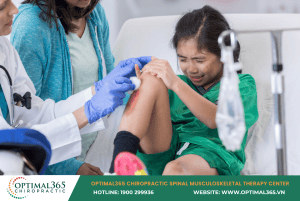
- Sprains and dislocations (especially ankles, wrists, and knees)
- Fractures (commonly in the arm or wrist when falling on an outstretched hand)
- Soft-tissue injuries (bruises, muscle tears, tendonitis)
- Head and neck injuries from collisions or falls from height
- Overuse injuries such as Osgood-Schlatter disease or patellar tendonitis
Warning Signs of Sports Injuries in Children
Parents should watch for these signs:
- Persistent pain or pain that worsens with movement
- Swelling, bruising, or warmth at the injury site
- Limited range of motion or refusal to put weight on a limb
- Excessive crying, irritability, or sudden refusal to play
- Visible deformity (possible fracture or dislocation)
- Dizziness, nausea, or headache after a collision (possible head injury)
If a serious injury is suspected, take the child to a medical facility immediately.
First Aid for Sports Injuries in Children
For most soft-tissue injuries, apply the R.I.C.E. method in the first 48 hours:
- Rest: Stop the activity immediately
- Ice: Apply ice for 15–20 minutes every 2–3 hours
- Compression: Use a light bandage to reduce swelling
- Elevation: Keep the injured area above heart level
Avoid deep massage or heat in the first 48 hours. If a fracture is suspected, do not try to realign the bone — immobilize it and seek medical help right away.
Effective Ways to Prevent Sports Injuries in Children
1. Proper Warm-Up and Cool-Down
Teach children to warm up for 5–10 minutes before activity and stretch afterward. This is one of the simplest and most effective ways to reduce sports injuries in children.
2. Age-Appropriate Sports and Intensity
Children under 10 should focus on varied, fun activities rather than specializing in one sport too early. Increase intensity gradually according to their ability.
3. Correct Footwear and Protective Gear
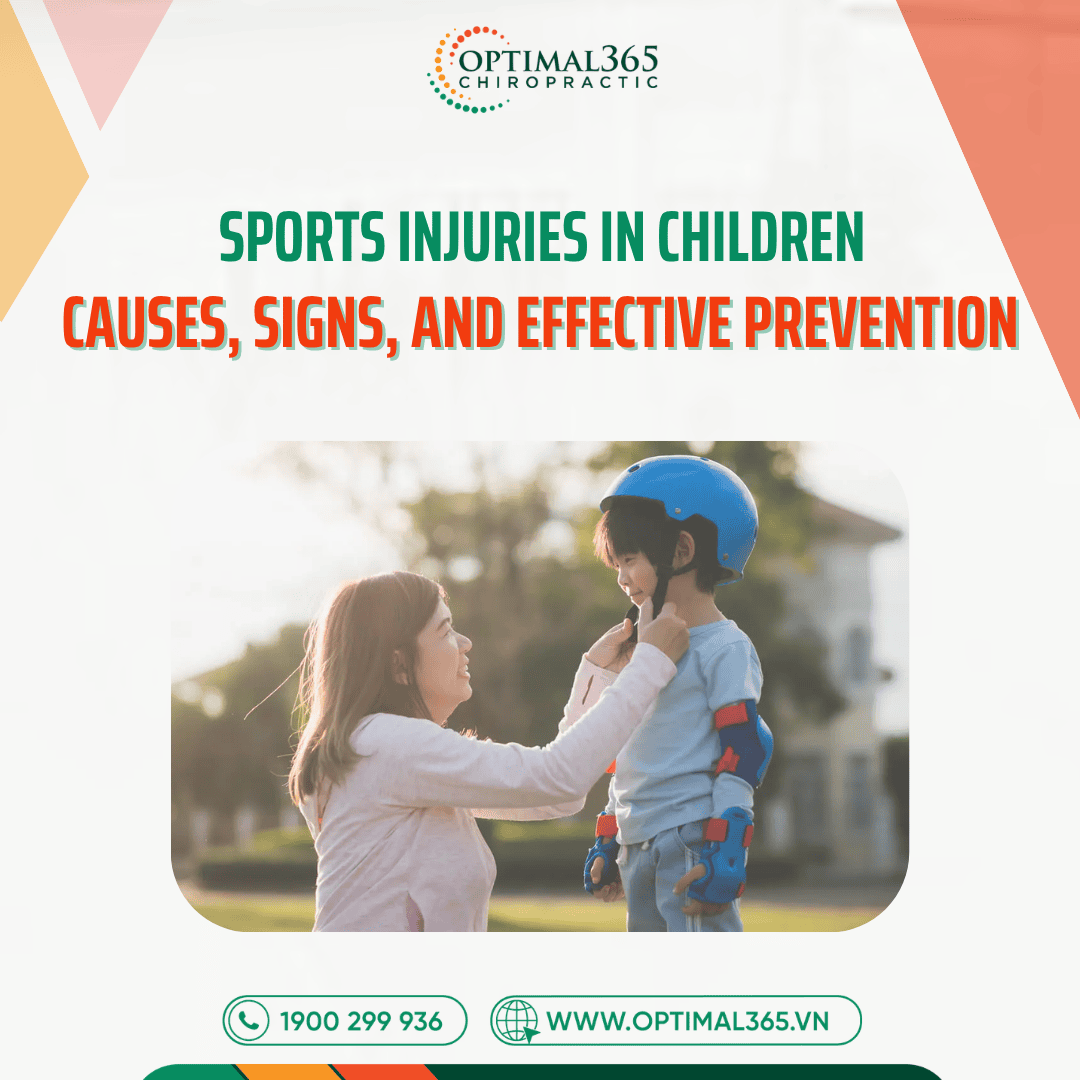
Choose well-fitting shoes with good cushioning. Use helmets for cycling, pads for skating or soccer, and other appropriate protection.
4. Supervision and Technique Coaching
Parents or coaches should regularly monitor and correct children’s posture and technique.
5. Safe Playing Environments
Check the playing area for hazards, remove sharp objects, and ensure the surface is even. Limit outdoor play in extreme heat or after heavy rain.
6. Balance Activity with Rest
Encourage adequate rest, enough sleep, and proper nutrition so the body can recover.
7. Build Strength and Flexibility
Simple exercises such as planks, bodyweight squats, and kid-friendly yoga help strengthen muscles and lower injury risk.
When to See a Doctor
Seek medical attention if:
- Pain lasts longer than 3–5 days
- There is significant swelling or visible deformity
- The child cannot move or walk
- Signs of head injury appear (dizziness, nausea, loss of consciousness)
- Fever develops along with redness and swelling at the injury site
Early examination helps prevent long-term complications that could affect a child’s growth and development.
Conclusion
Sports injuries in children are common, but most can be prevented when parents and schools pay attention to warm-ups, proper technique, suitable equipment, and safe environments. Physical activity remains essential for children’s overall development, so the goal is not to restrict movement but to guide children to play safely and intelligently.
Start with small habits: proper warm-up, adequate rest, and the right gear. With the right care, children can enjoy active play and grow up healthy while minimizing the risk of injury.