What Is Cervical Spondylosis? Symptoms and Effective Treatment
Cervical spondylosis is one of the most common spinal conditions, especially among middle-aged and older adults. It causes neck pain, stiffness, and pain that may radiate to the head, shoulders, or arms, significantly affecting daily activities. Many people ignore early symptoms, allowing the condition to worsen over time. This article explains what cervical spondylosis is, how to recognize the symptoms, and the most effective treatment approaches available today.
What Is Cervical Spondylosis?
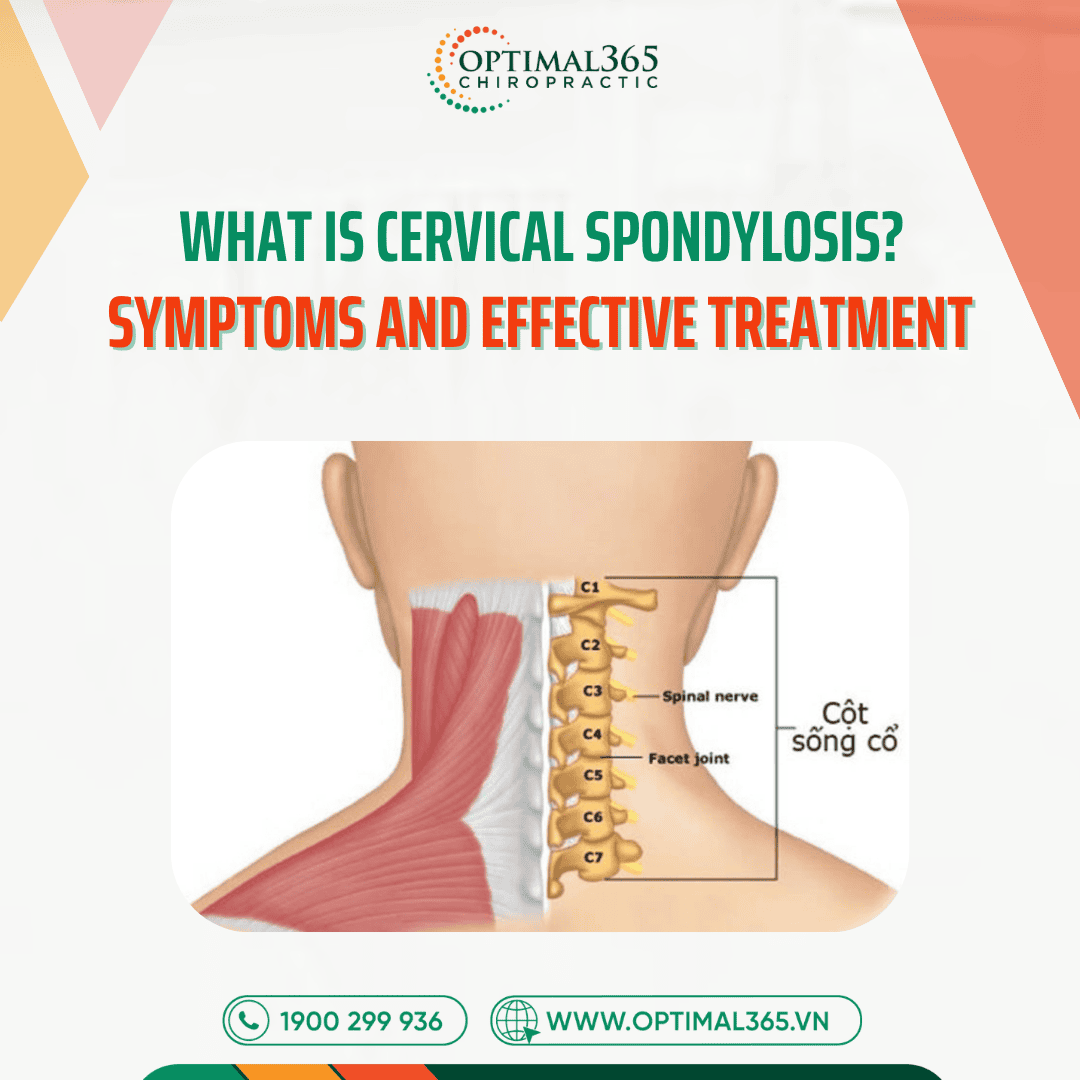
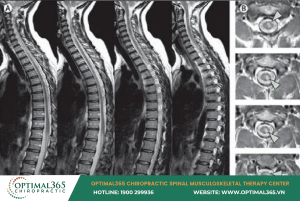
Cervical spondylosis (also known as cervical osteoarthritis or neck arthritis) is the gradual wear and tear of the vertebrae, discs, joints, and ligaments in the neck. Over time, the discs lose water content and elasticity, the joints experience friction, and bone spurs may form. These changes can narrow the spinal canal or the openings where nerves exit, leading to nerve compression and various symptoms.
The condition usually progresses slowly. In the early stages it may cause only mild discomfort, but without proper management it can develop into chronic pain, limited mobility, and reduced quality of life.
Causes of Cervical Spondylosis
The main causes and risk factors include:
- Age: The most significant factor; changes become more noticeable after age 40.
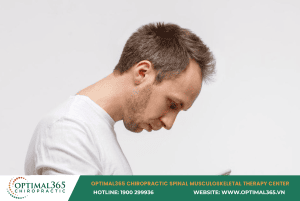
- Poor posture: Prolonged sitting, looking down at phones or computers for long periods.
- Heavy labor or incorrect lifting techniques.
- Previous neck injuries.
- Genetic factors and natural degenerative processes.
- Excess weight and lack of physical activity, which increase stress on the spine.
Understanding the causes helps improve both prevention and treatment of cervical spondylosis.
Symptoms of Cervical Spondylosis
Symptoms vary depending on the severity and the specific structures affected.
Common symptoms
- Neck and shoulder pain or fatigue, especially after prolonged sitting or looking downward.
- Morning stiffness or stiffness after waking up.
- Pain that increases when turning, tilting, or holding the neck in one position for a long time.
- Pain that may radiate to the back of the head or temples, causing headaches.
Symptoms related to nerve compression
- Tingling, numbness, or pins-and-needles sensation in the shoulders, arms, or hands.
- Muscle weakness in the arms or difficulty gripping objects.
- Occasional dizziness or light-headedness due to effects on blood circulation.
- In more severe cases, sensory changes or reduced reflexes may appear.
If these symptoms last longer than two weeks, it is advisable to seek medical evaluation for an accurate diagnosis.
Effective Treatment for Cervical Spondylosis
Treatment for cervical spondylosis focuses on pain relief, restoring function, and preventing further progression. Most cases respond well to conservative (non-surgical) approaches.
Conservative treatment
- Pain-relieving and anti-inflammatory medications as prescribed by a doctor.
- Maintaining correct posture and avoiding prolonged downward head positions.
- Using a suitable pillow for sleep.
- Applying heat to reduce muscle tightness.
Physical therapy and spinal care
Methods such as cervical traction, ultrasound, electrical stimulation, and rehabilitation exercises help reduce pain and improve range of motion. Manual therapy and gentle spinal adjustments (chiropractic care) are also chosen by many patients to improve vertebral movement and reduce nerve compression.
When more advanced intervention is needed
Surgery is considered only when conservative treatment fails, when there is severe nerve compression, or when progressive weakness develops. The majority of patients do not require surgery if the condition is addressed early and appropriately.
How to Prevent Cervical Spondylosis
To slow progression or prevent the condition:
- Maintain upright sitting and standing posture, with the screen at eye level.
- Stand up and move every 30–45 minutes; perform gentle neck rotations.
- Strengthen the muscles of the neck, shoulders, and upper back.
- Control body weight and ensure adequate intake of calcium and vitamin D.
- Avoid carrying heavy loads on one side or excessive downward head posture.
Conclusion
Cervical spondylosis is a common condition that can be well managed when detected early and treated correctly. Recognizing symptoms promptly, combined with posture correction, exercise, and appropriate therapy, effectively reduces pain and improves quality of life. If you are experiencing persistent neck pain or arm numbness, visit a spine specialist for a proper assessment and personalized treatment plan.