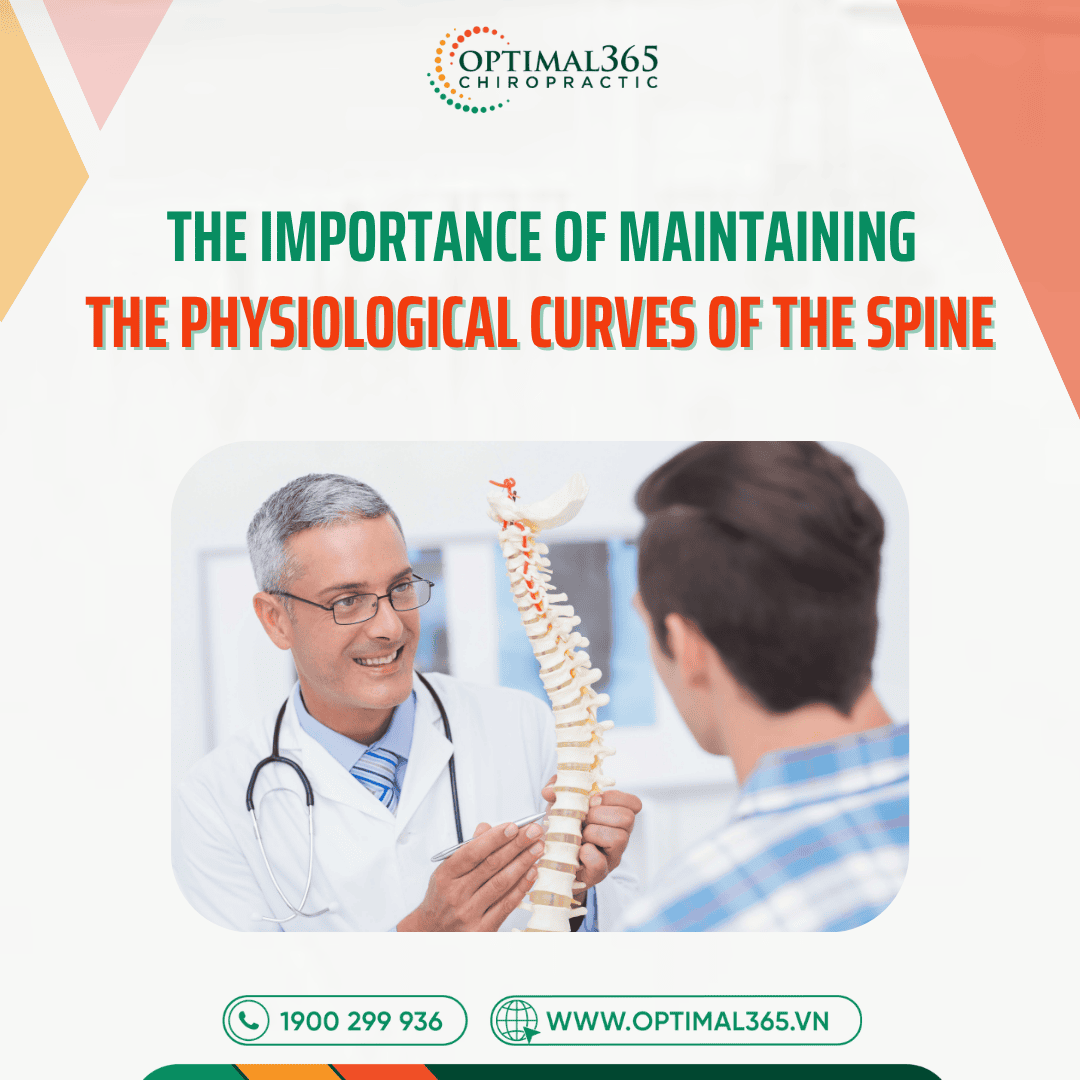
The Importance of Maintaining the Physiological Curves of the Spine
The human spine is not completely straight. It has natural curves that play a vital role in load-bearing, shock absorption, and protection of the nervous system. Maintaining the physiological curves of the spine in proper balance allows the body to move efficiently, reduces the risk of pain, and helps prevent long-term degenerative problems. Many people today unknowingly lose these curves due to poor sitting posture, prolonged screen time, lack of physical activity, or unscientific daily habits.
What Are the Physiological Curves of the Spine?
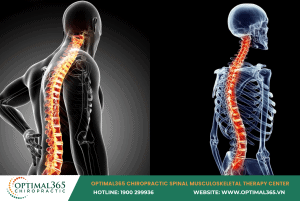
The physiological curves of the spine consist of four main segments: the cervical lordosis (inward curve of the neck), the thoracic kyphosis (gentle outward curve of the upper back), the lumbar lordosis (inward curve of the lower back), and the sacral curve. When viewed from the side, these curves form a natural S-shape that helps the spine distribute forces more effectively during standing, walking, running, or lifting.
When these curves remain balanced, pressure on the intervertebral discs, joints, and nerves is evenly distributed. Conversely, if one or more curves become reduced, exaggerated, or lost, the body must compensate by tightening muscles and changing posture, which often leads to pain and fatigue.
Read more: School-Age Scoliosis: Warning Signs Parents Should Watch for in Children
Why Maintaining the Physiological Curves of the Spine Matters
Effective load-bearing and shock absorption
The spine supports the entire weight of the upper body. The physiological curves of the spine act like a natural spring system, absorbing impact forces from the ground during movement. When the curves are lost, forces are transmitted directly to the discs and joints, increasing the risk of herniation, degeneration, and chronic pain.
Protection of the nervous system
The spinal cord and nerve roots travel inside the spinal canal. Changes in the curves can narrow the space within the canal or stretch the nerves, leading to numbness, muscle weakness, or radiating pain into the arms or legs.
Maintaining posture and body balance
Proper physiological curves of the spine help keep the head, shoulders, hips, and legs aligned. Good posture not only looks better but also reduces muscle load, so people feel less tired when standing or sitting for long periods.
Reducing long-term musculoskeletal problems
People who lose their natural spinal curves are more prone to neck pain, lower back pain, shoulder tension, and even secondary effects on breathing or digestion due to changes in chest and abdominal pressure.
Common Causes of Losing the Physiological Curves of the Spine
Many modern lifestyle factors gradually alter the physiological curves of the spine:
- Sitting at a computer for hours with a forward-head or rounded-shoulder posture
- Frequent “text neck” from looking down at phones
- Lack of physical activity and weak core or back muscles
- Poor sleeping posture or unsuitable pillows
- Carrying heavy loads unevenly or using incorrect exercise techniques
- Previous injuries or conditions such as degeneration and arthritis
When these habits persist over time, the curves can become flattened or distorted and are difficult to restore without proper intervention.
Warning Signs That the Physiological Curves of the Spine Are Affected
You should pay attention if you notice the following signs:
- Frequent neck, shoulder, or lower back discomfort
- Stiffness when bending or rotating the torso
- Forward head posture, rounded shoulders, or an unusually flat back
- Easy fatigue when standing or sitting for long periods
- Unexplained numbness or tingling in the arms or legs
These symptoms may indicate that the physiological curves of the spine are out of balance and should be assessed early.
How to Maintain and Restore the Physiological Curves of the Spine
Adjust daily posture
Keep the screen at eye level, sit with a straight back, and place both feet firmly on the floor. Avoid crossing legs or sitting in a low position for extended periods.

Increase movement and supportive exercises
Stretching the chest, strengthening the core, gentle back-extension exercises, and suitable yoga poses help restore and maintain the physiological curves of the spine. Consistency is more important than high-intensity training done irregularly.
Choose appropriate pillows and mattresses
Pillows that are too high or too low affect the cervical curve. Mattresses should provide enough support to maintain the lumbar curve while lying down.
Seek professional screening and intervention when needed
When pain or visible postural changes appear, posture screening and spinal assessment can determine the degree of curve loss. Chiropractic care, joint mobilization, and functional rehabilitation can help bring the curves back toward a more balanced state.
Conclusion
Maintaining the physiological curves of the spine is a fundamental foundation for overall health. It not only helps reduce pain but also protects the nervous system, improves posture, and enhances movement quality. In today’s fast-paced lifestyle, everyone should actively recognize harmful habits and make timely adjustments.
Start with small changes in sitting, sleeping, and daily movement. If symptoms persist, early evaluation and proper intervention will protect the physiological curves of the spine more effectively and help prevent long-term complications.
References
According to the Mayo Clinic, the spine has natural curves that help maintain posture and body balance. When these curves change excessively, they can cause pain and affect movement function.