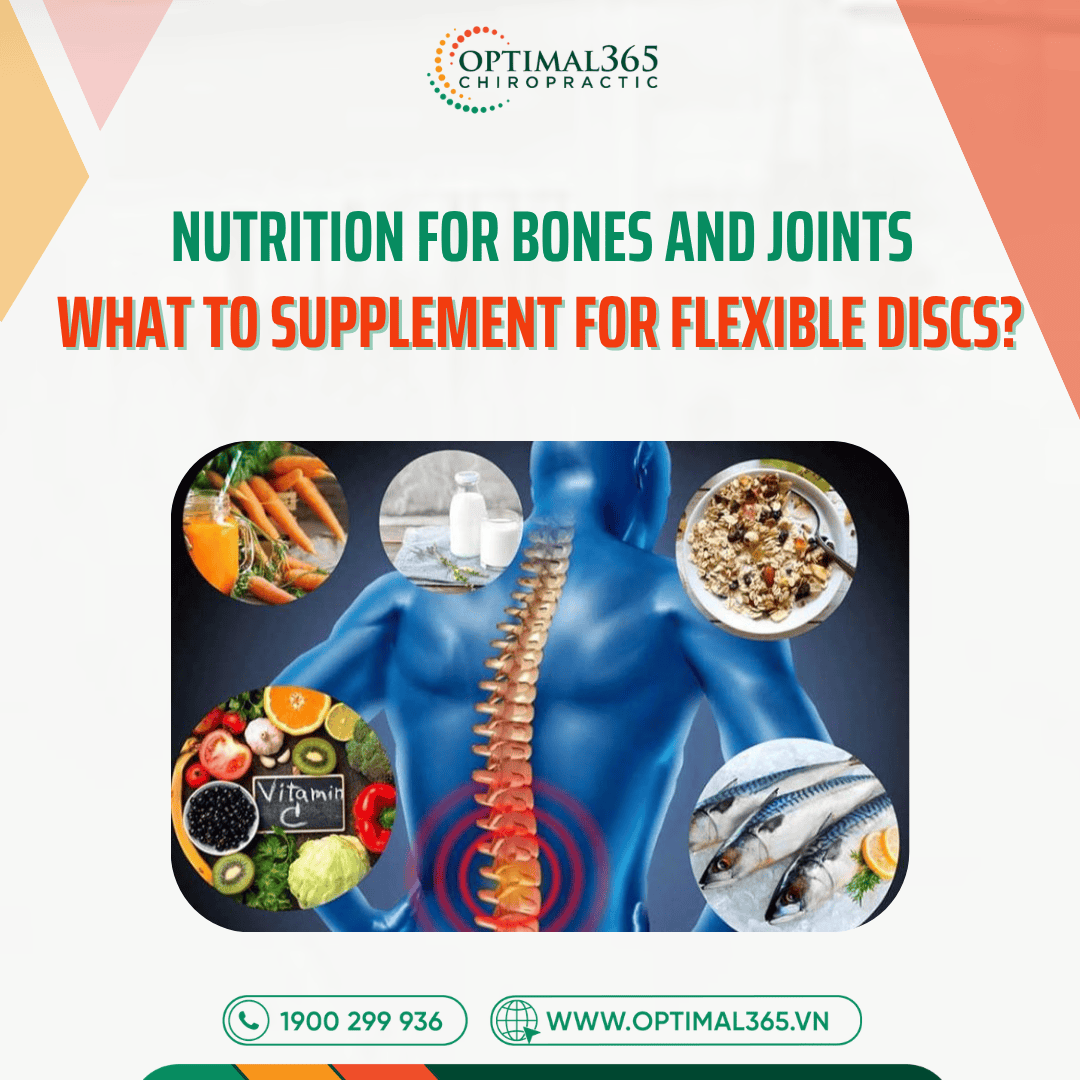
Nutrition for Bones and Joints: What to Supplement for Flexible Discs?
Intervertebral discs act as the natural shock absorbers of the spine. They provide cushioning, flexibility, and protection for the vertebrae. When discs become dehydrated, degenerate, or lose elasticity, people often experience back pain, neck pain, herniated discs, and limited mobility. Many focus only on exercises or pain relief medication while overlooking a fundamental factor: nutrition for bones and joints.
A proper diet not only supplies the building blocks to repair cartilage and discs but also helps reduce inflammation, maintain hydration, and preserve long-term flexibility. This article answers the question “What should you supplement to keep discs flexible?” and provides practical food recommendations you can apply right away.
Why Nutrition for Bones and Joints Matters
Discs consist of a gel-like nucleus pulposus in the center and a tough outer annulus fibrosus. The nucleus contains high amounts of water and proteoglycans, which give the disc its elasticity. With age or poor nutrition, water content and matrix quality decline, causing discs to become dry, stiff, and more prone to cracks or herniation.
Bones and cartilage also require continuous nourishment. When essential nutrients are lacking, degeneration accelerates. Research shows that an anti-inflammatory diet rich in tissue-building nutrients can slow disc degeneration and significantly reduce pain symptoms.
Therefore, nutrition for bones and joints is not just supportive care — it is a foundational preventive measure.
Key Nutrients That Help Keep Discs Flexible
1. Collagen and High-Quality Protein
Type II collagen is a major component of cartilage and intervertebral discs. Adequate collagen or easily absorbable protein provides the raw materials needed to repair and maintain disc structure.
Good sources: bone broth, chicken skin, fish, lean meat, eggs, and bone-based soups.
2. Glucosamine and Chondroitin
These compounds support cartilage regeneration and improve the disc’s ability to retain water. They are commonly taken as supplements, especially beneficial for people over 40 or those showing early signs of degeneration.
3. Omega-3 Fatty Acids (EPA and DHA)
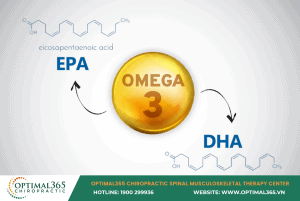
Omega-3s have strong anti-inflammatory effects that help reduce inflammation around the discs and nerve roots. Lower inflammation often leads to noticeable pain relief.
Best sources: salmon, mackerel, sardines, chia seeds, walnuts, and olive oil.
4. Vitamin D and Calcium
Calcium and vitamin D are essential for bone strength and indirectly support discs by maintaining strong vertebrae, which reduces pressure on the spine. Vitamin D deficiency is common and linked to chronic back pain.
5. Magnesium, Vitamin C, and Vitamin K2
- Magnesium helps relax muscles and reduce spasms around the spine.
- Vitamin C is required for collagen synthesis.
- Vitamin K2 helps direct calcium into bones rather than soft tissues.
6. Water – The Often Overlooked Factor
Discs need sufficient hydration to stay elastic. Even mild chronic dehydration can accelerate disc drying. Adults should aim for 2–2.5 liters of water daily.
Best Foods for Nutrition for Bones and Joints
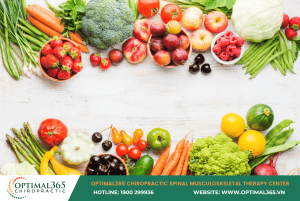
To optimize nutrition for bones and joints, prioritize these food groups:
- Collagen- and protein-rich foods: bone broth, free-range chicken, fish, eggs, Greek yogurt.
- Vitamin C-rich fruits and vegetables: bell peppers, oranges, kiwi, broccoli, strawberries.
- Anti-inflammatory foods: fatty fish, olive oil, turmeric, ginger, berries.
- Nuts, seeds, and legumes: almonds, chia seeds, soybeans, lentils (provide magnesium and plant protein).
- Vitamin D and K2 sources: eggs, mushrooms, fermented foods, cheese.
A Mediterranean-style or balanced diet rich in vegetables, fish, and healthy fats has been shown to benefit bone, joint, and disc health.
Foods to Limit for Better Disc Protection
Certain eating habits can speed up disc degeneration:
- Sugar and refined carbohydrates (sweets, sugary drinks) increase inflammation.
- Highly processed foods high in saturated fat and salt.
- Excessive alcohol (causes dehydration and impairs nutrient absorption).
- Chronic low water intake.
Effective Ways to Improve Nutrition for Bones, Joints, and Discs
- Prioritize whole foods over supplements
Use supplements only when diet is insufficient or recommended by a doctor. - Combine with appropriate movement
Walking, swimming, and gentle yoga improve blood flow to the discs and enhance nutrient delivery. - Maintain a healthy weight
Excess weight increases pressure on the lumbar spine and raises the risk of disc damage. - Be consistent
Nutritional benefits for discs and joints usually become noticeable after 4–8 weeks of regular practice. - Consult a professional
People with stomach, kidney issues, or those on medication should seek medical advice before using supplements.
Practical Tips You Can Start Today
- Eat fatty fish at least 2–3 times per week.
- Include a bowl of bone broth several times a week.
- Add chia seeds or walnuts to breakfast.
- Eat plenty of colorful vegetables and fruits.
- Drink enough water and limit sugary beverages.
- Get 10–15 minutes of gentle sunlight daily for natural vitamin D.
Conclusion
Nutrition for bones and joints plays a central role in keeping intervertebral discs flexible, slowing degeneration, and reducing chronic back pain. Consistently supplying collagen, omega-3s, vitamin D, calcium, magnesium, and adequate hydration delivers long-term benefits.
Healthy discs do not come from a single miracle pill but from daily eating habits and a smart lifestyle. Start improving your nutrition today to better protect your spine for the future.
References
- Mayo Clinic – Nutrition and bone health:
https://www.mayoclinic.org/healthy-lifestyle/nutrition-and-healthy-eating/in-depth/nutrition-and-healthy-eating/art-20045446 - Harvard T.H. Chan – Calcium and milk / bone health:
https://www.hsph.harvard.edu/nutritionsource/what-should-you-eat/calcium-and-milk/ - NIH – Omega-3 fatty acids:
https://ods.od.nih.gov/factsheets/Omega3FattyAcids-Consumer/