Ngân, a 26-year-old office worker, ignored her lower back pain for months until an X-ray revealed early scoliosis and spinal degeneration. Here’s how she recovered with chiropractic care and supportive therapies.
From Persistent Lower Back Pain to a Scoliosis Diagnosis: An Office Worker’s Story
Most office workers brush off lower back pain as a normal part of sitting at a desk all day. But sometimes, that lingering ache is the first sign of something more serious — like developing scoliosis. This is exactly what happened to Ngân, a 26-year-old office employee. Her case shows how common scoliosis office workers can face when poor posture is ignored for too long.
Sitting All Day Quietly Damaged Her Spine
Ngân works in a typical office job, spending more than eight hours a day in front of a computer. About eight months ago, she started noticing a dull ache in her lower back. At first, it felt minor, so she ignored it. Like many people in her situation, she assumed it was just the usual discomfort that comes with long hours of sitting.
Over time, the pain got worse. It began radiating down into her thighs and calves. Sitting for long periods became uncomfortable, and sleeping through the night turned into a challenge. She would wake up several times because of the deep ache in her lower back. Still, she kept telling herself it was nothing more than an occupational issue.
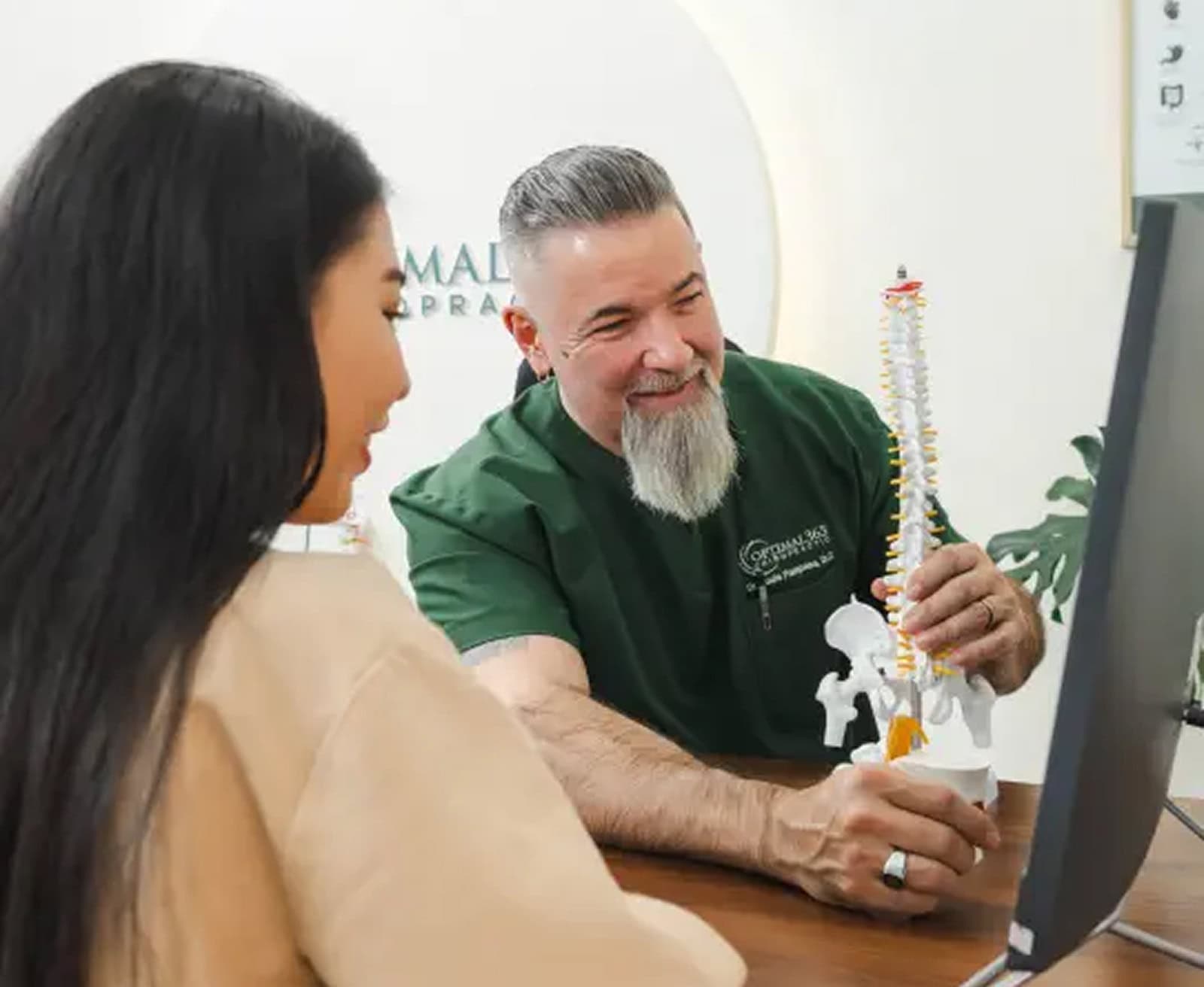
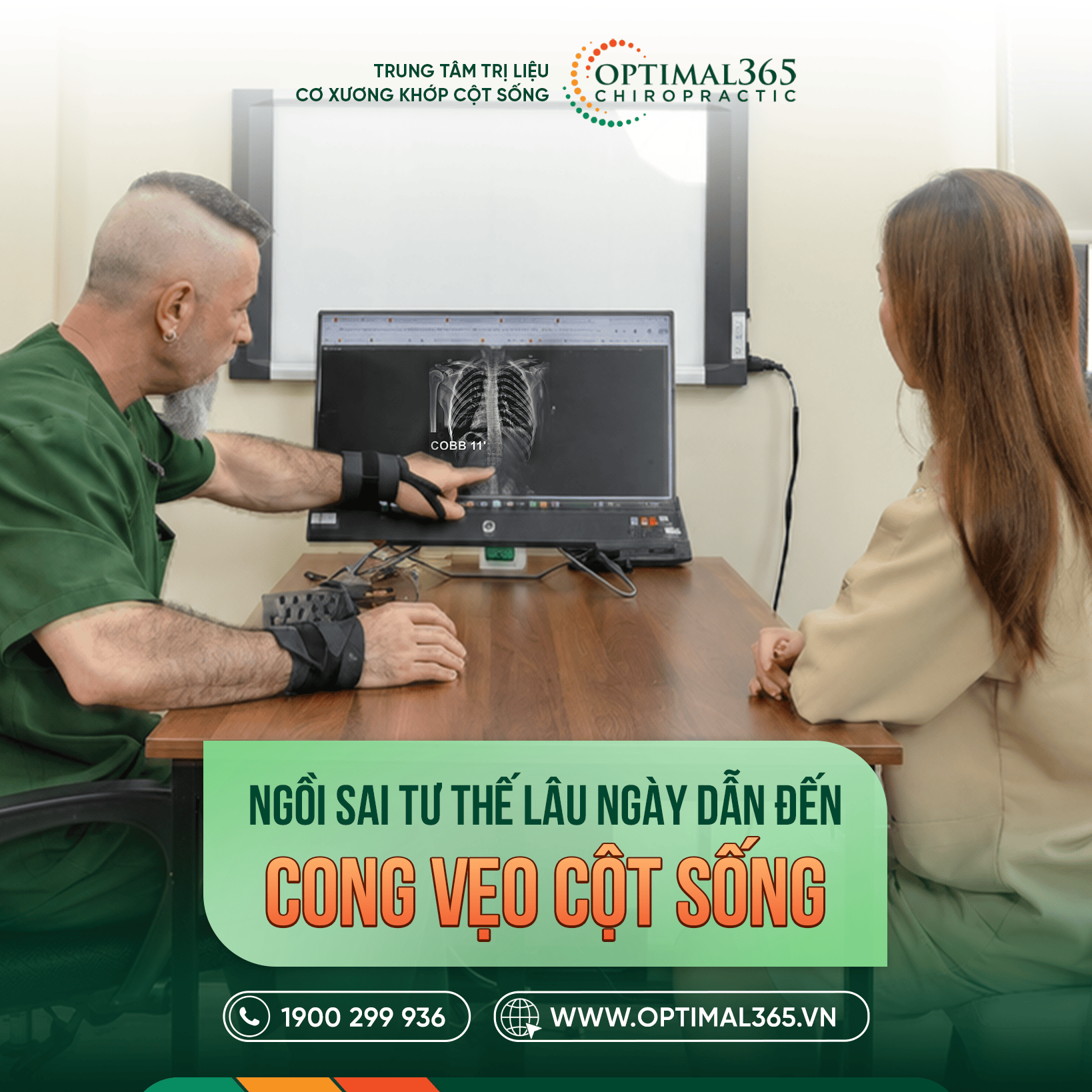
After more than six months of putting up with the pain, it started affecting both her work and her quality of life. That’s when she finally decided to get it checked. An X-ray showed that her spine had already started to curve, along with early signs of spinal degeneration. Her doctor explained that years of poor posture had placed uneven pressure on her spine, causing it to gradually shift out of alignment and compress nearby nerves.
This situation is more common than many people think. Scoliosis office workers often develop the condition gradually, without any sudden injury.
Why Office Workers Are at Higher Risk for Scoliosis
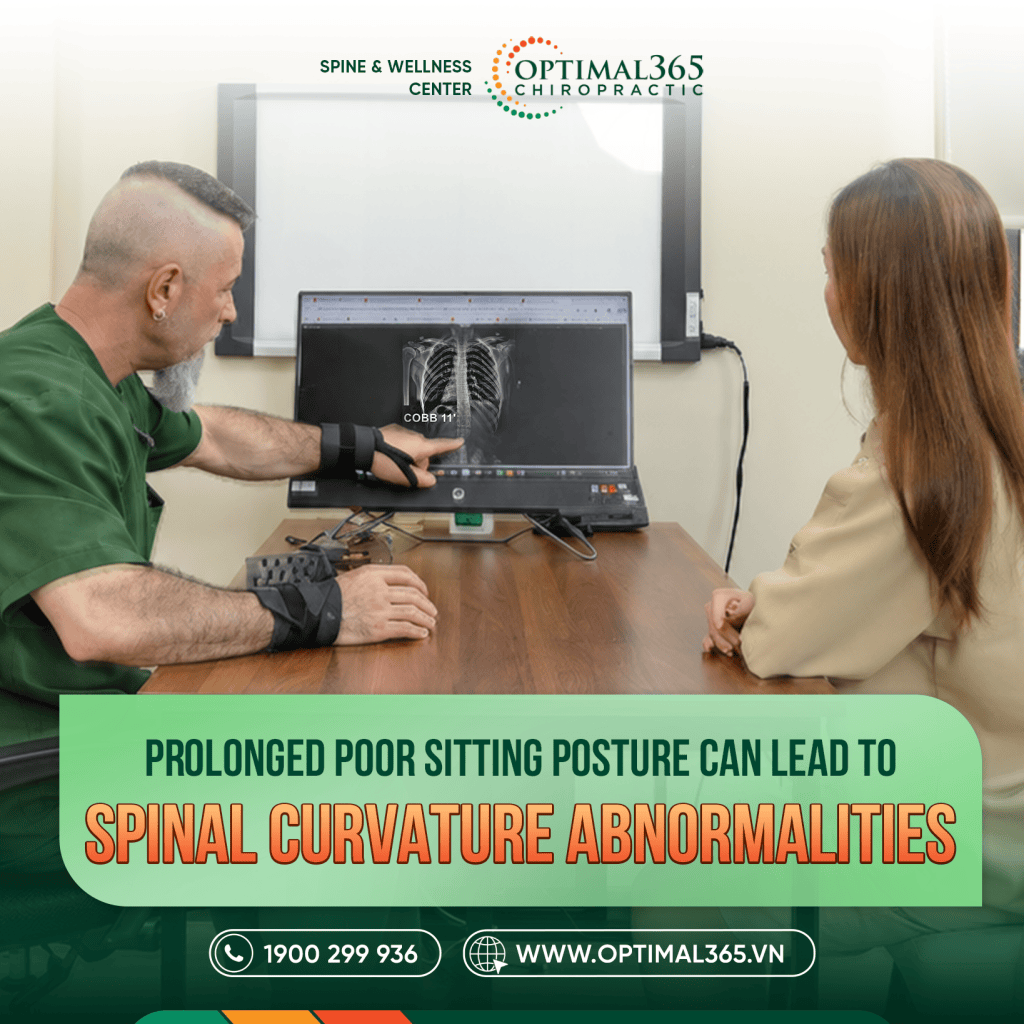
Spending long hours in a chair puts constant stress on the spine. When posture is poor — slouching, leaning to one side, or looking down at a screen — the pressure becomes uneven. Over time, the muscles that support the spine grow weaker, making it harder for the back to stay properly aligned.
Common habits that increase the risk include:
- Slouching or leaning to one side for hours
- Resting your head on the desk during lunch breaks
- Carrying a laptop bag or purse on the same shoulder every day
- Rarely standing up or changing positions
- Using a laptop without an external monitor or keyboard for long periods
What starts as a small imbalance can slowly develop into a noticeable curve, especially when left untreated. Many scoliosis office workers only discover the problem after the pain has already started affecting their daily life.
Warning Signs You Shouldn’t Ignore
According to specialists, these symptoms deserve attention:
- Lower back pain that keeps coming back
- Pain that travels down the legs, sometimes with numbness
- One shoulder or hip sitting higher than the other
- A visible hump on one side of the back when bending forward
- Stiffness in the morning
- Trouble sleeping because of back pain
- A slightly tilted posture when walking or standing
- Feeling more tired than usual after sitting for long periods
In Ngân’s case, the pain traveling down her legs and the sleep disruption were clear red flags that many people overlook.
How She Was Treated at Optimal365 Chiropractic
After her diagnosis, Ngân began a comprehensive treatment plan that combined several approaches:
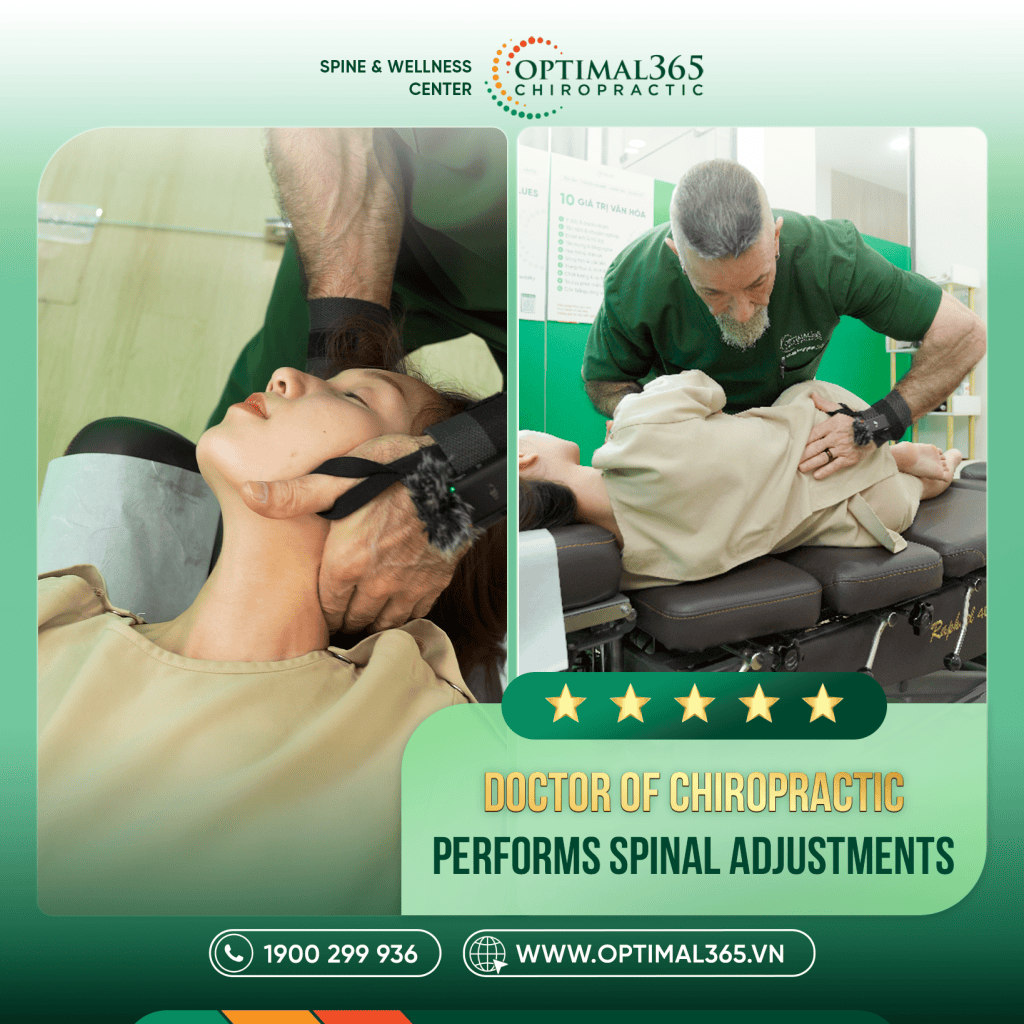
- Chiropractic adjustments to improve spinal mobility and reduce muscle tension. This hands-on technique helps restore proper alignment, relieve pressure on the nerves, and improve overall movement of the spine.

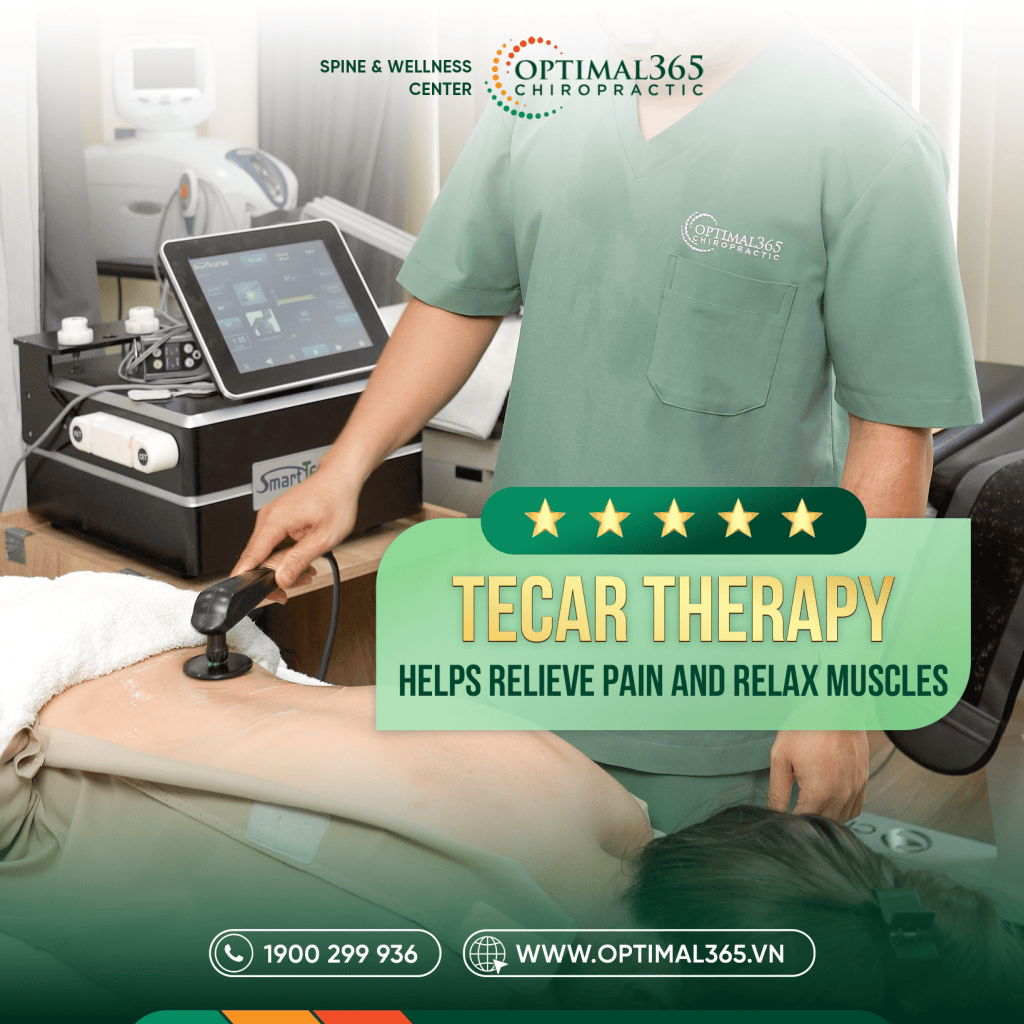
- TECAR therapy to increase blood flow, relax tight muscles, and ease pain. By using high-frequency energy, it supports tissue recovery and reduces inflammation in the affected areas.
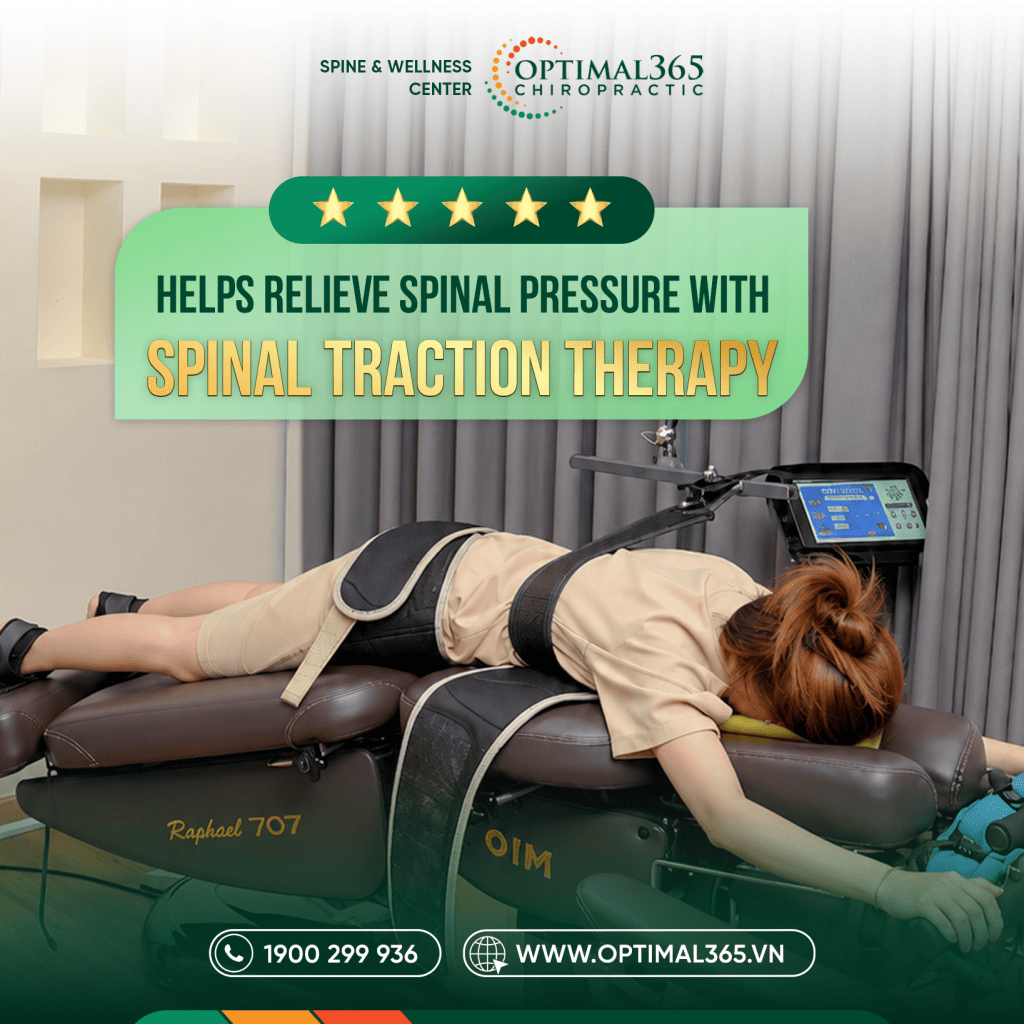
- Spinal decompression therapy to gently reduce pressure on the discs and nerves. Controlled traction helps create space between the vertebrae, which can relieve compression and promote better disc health.
- Deep muscle work to release chronic tension caused by years of sitting. This targeted soft-tissue treatment focuses on tight and overworked muscles, improving flexibility and reducing discomfort.

- Guided home exercises, including exercises to reduce back pain caused by spinal degeneration and exercises to improve scoliosis
Within the first week, she noticed a clear reduction in pain. The radiating symptoms in her legs became less frequent, and she started sleeping better. By the end of her treatment program, everyday movements felt easier, her sleep had improved significantly, and she was more productive at work.
Consistent care made a real difference. For many scoliosis office workers, combining in-clinic treatment with simple daily exercises helps maintain results and prevent the condition from getting worse.
Her Experience at the Clinic
Beyond the physical results, Ngân was impressed by the overall care she received. She appreciated that the doctors took time to explain her condition clearly and walked her through each stage of the treatment plan. The therapists were attentive, adjusting their techniques based on how she felt during each session. The clinic itself felt clean, modern, and well-equipped, which helped her feel confident throughout the process.
“What I liked most was how thorough everyone was,” she said. “They didn’t just rush through the treatment. After every session, my body felt noticeably better. The environment was clean and the equipment looked professional, so I felt I was in good hands.”

A Reminder for Anyone Working at a Desk
Ngân’s experience is more common than many people realize. Lower back pain is often dismissed as a normal part of office life, when in reality it can be an early sign of spinal misalignment or developing scoliosis.
When caught early, a combination of chiropractic care, spinal decompression, TECAR therapy, and targeted muscle work can lead to meaningful improvement — especially in mild to moderate cases.
If you’ve been dealing with ongoing lower back pain, pain that travels down your legs, or restless nights because of discomfort, it’s worth getting checked. Addressing the issue early can protect your spine and help you stay comfortable and productive in the long run.
Research shows that a high percentage of office workers experience low back pain, with many studies reporting rates above 50–60%. The difference often comes down to whether the problem is caught and treated in time. For scoliosis office workers, early action can make a significant difference in both comfort and long-term spinal health.