What Is Numbness in Toes?
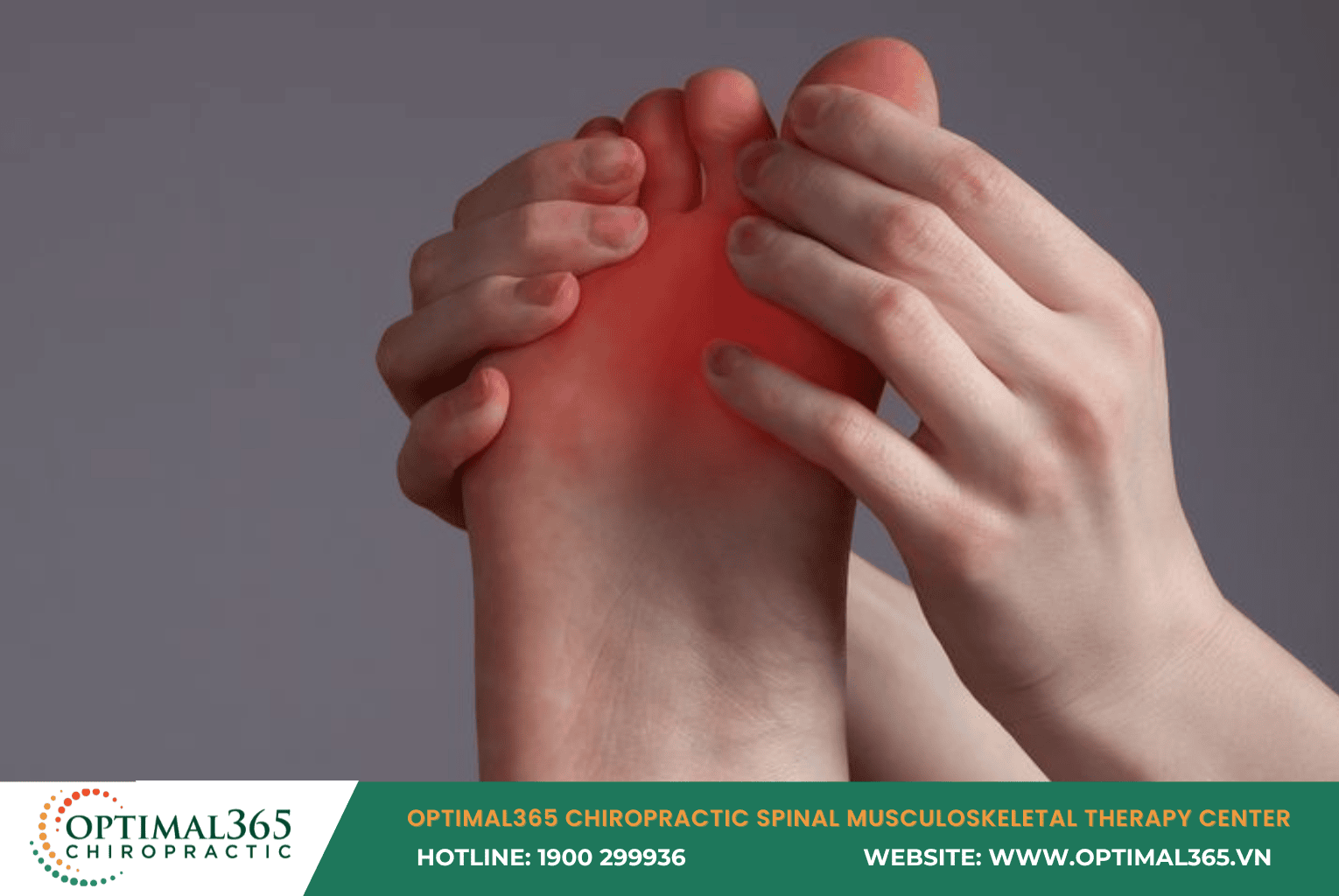
Numbness in toes refers to a partial or complete loss of sensation in one or more toes. It is often accompanied by tingling, a pins-and-needles feeling, or even a burning sensation. While many people experience this occasionally after sitting in an awkward position, persistent numbness may signal underlying issues related to the nervous system, blood circulation, or musculoskeletal health.
This condition is not a disease itself but a symptom. It can appear temporarily due to lifestyle habits or develop into a recurring issue that interferes with walking, balance, and daily activities.
Causes of Numbness in Toes
Common (Non-Medical) Causes
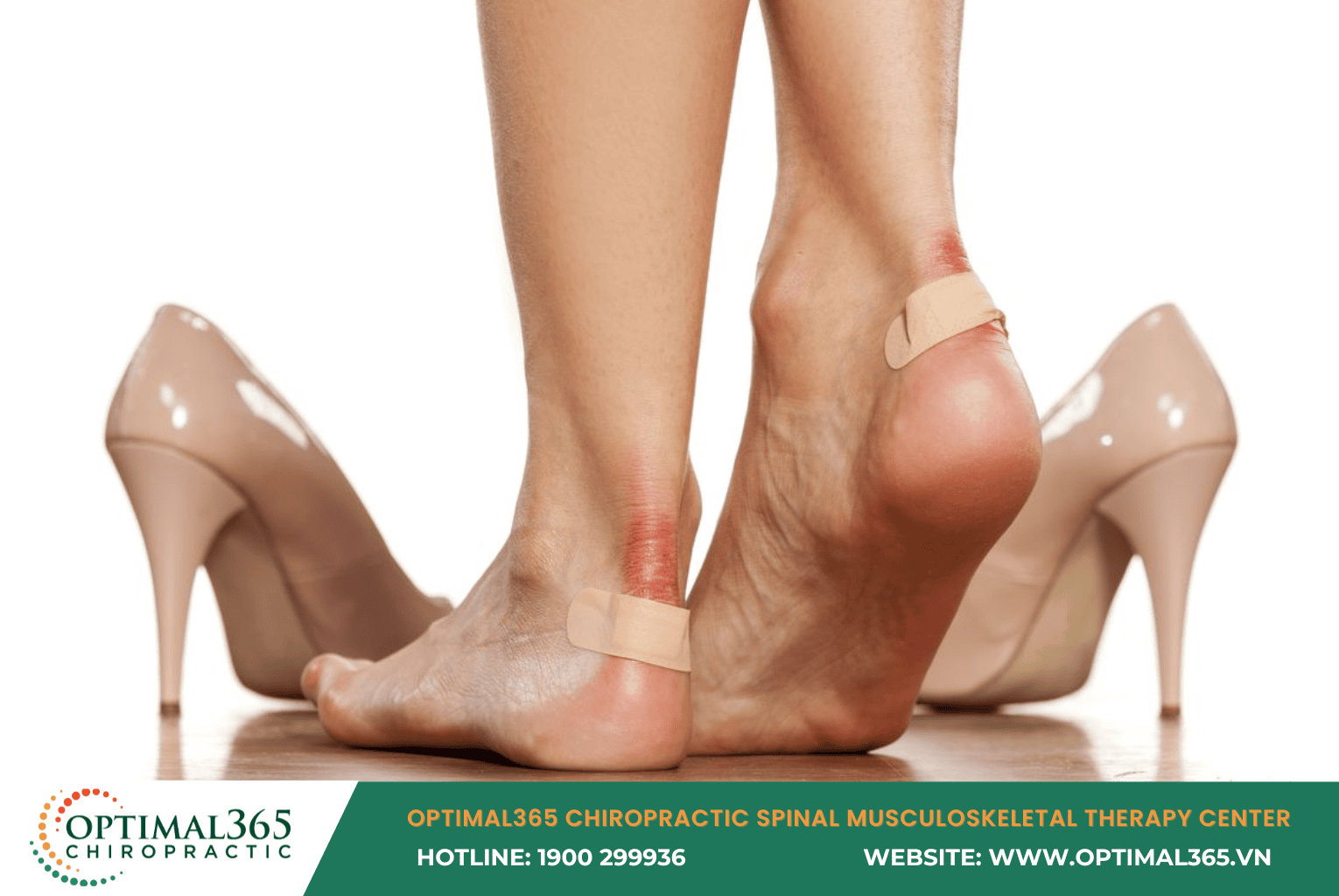
In many cases, numbness in toes is caused by everyday habits:
- Sitting or standing for long periods, leading to nerve compression
- Wearing tight or ill-fitting shoes, especially high heels
- Reduced blood circulation, particularly in cold environments
- Lack of physical activity or prolonged sedentary lifestyle
These causes are usually temporary and improve once the pressure is relieved or movement is restored.
Medical Causes
If numbness persists or worsens, it may be linked to more serious conditions:
Neurological and Spinal Conditions

- Nerve compression caused by herniated discs
- Sciatica, where pain and numbness radiate down the leg
- Peripheral neuropathy, commonly seen in people with diabetes
Circulatory Disorders

- Peripheral artery disease (PAD), reducing blood flow to the extremities
- Anemia, leading to decreased oxygen supply to tissues
Musculoskeletal Conditions

- Arthritis or joint degeneration
- Gout, which can cause swelling and numbness in the toes
Nutritional Deficiencies

- Vitamin B12 deficiency affecting nerve function
- Lack of essential minerals disrupting nerve signals
Other Health Conditions
- Diabetes
- Raynaud’s phenomenon (cold-induced blood vessel constriction)
- Autoimmune or infectious diseases
When Is Numbness in Toes a Warning Sign?
Although occasional numbness is common, certain symptoms may indicate a more serious problem:
- Persistent or recurring numbness over several days
- Numbness spreading to the foot or leg
- Muscle weakness or difficulty walking
- Sharp pain, burning sensation, or total loss of feeling
- Changes in skin color, such as pale, bluish, or cold toes
According to medical insights from GoodRx, Ubie Health và Medical News Today, these symptoms may be associated with nerve damage or circulatory disorders and should be evaluated early to prevent complications.
How Is Numbness in Toes Diagnosed?
Accurate diagnosis is essential to identify the root cause. Healthcare professionals may use:
- Physical examination of the nervous and musculoskeletal systems
- Blood tests (e.g., glucose levels, vitamin B12)
- Imaging tests such as MRI or X-ray of the spine
- Nerve conduction studies to assess nerve function
A proper diagnosis helps ensure that treatment targets the underlying issue rather than just relieving symptoms.
Effective Treatments for Numbness in Toes
Lifestyle Adjustments
Simple changes can significantly improve symptoms:
- Avoid sitting for long periods; take breaks every 45–60 minutes
- Choose comfortable, well-fitting footwear
- Engage in regular physical activity to improve circulation
- Practice foot massage or soak feet in warm water
Nutritional Support
Proper nutrition plays a key role in nerve health:
- Increase intake of vitamin B12 and magnesium
- Maintain a balanced, nutrient-rich diet
- Stay adequately hydrated
Treating the Root Cause
Depending on the diagnosis, treatment may include:
- Managing spinal or neurological conditions
- Controlling blood sugar levels in diabetes
- Treating arthritis or gout
- Participating in rehabilitation and physical therapy programs
Chiropractic and Rehabilitation Approach
Clinical experience shows that many cases of toe numbness are linked to nerve compression originating from the spine.
At Optimal365, a combination of Chiropractic care and physical therapy focuses on:
- Reducing pressure on the nervous system
- Improving blood circulation
- Restoring mobility and functional movement
- Providing non-invasive, drug-free treatment solutions
This approach targets the root cause rather than just masking symptoms.
How to Prevent Numbness in Toes
Preventive care can reduce the risk of recurrence:
- Avoid prolonged sitting; move regularly throughout the day
- Maintain a healthy body weight
- Exercise consistently to support circulation and flexibility
- Keep your feet warm in cold conditions
- Schedule regular health check-ups
Conclusion
Numbness in toes may seem like a minor inconvenience, but it can be an early warning sign of more serious conditions involving the nerves, circulation, or spine. Understanding the causes and addressing them early is essential for preventing long-term complications.
If you are experiencing frequent or persistent symptoms, it is important to seek proper evaluation and care. You can learn more about treatment options here: https://optimal365.vn/en/limb-numbness/
If numbness affects your upper extremities as well, explore our guide on finger pain like pins and needles — a related condition that often shares the same nerve compression origins.
Taking proactive steps toward musculoskeletal health is key to maintaining a strong, balanced, and resilient body from within.
Addressing spinal posture is essential for long-term numbness relief. Read about how sleeping positions for hyperlordosis can relieve nerve pressure and reduce toe numbness caused by lumbar issues.