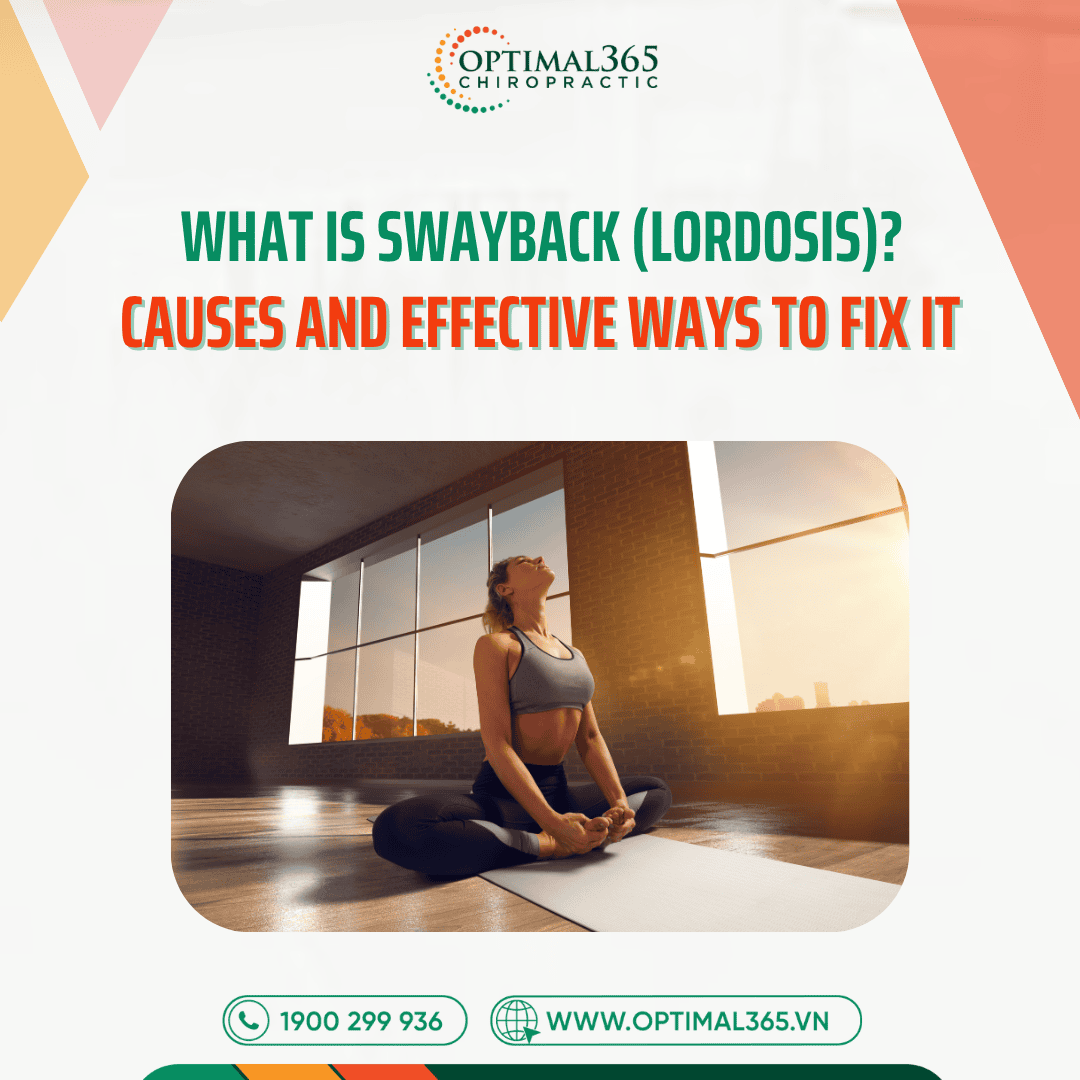
Are you dealing with swayback (also known as lumbar lordosis or hyperlordosis), where your lower back curves excessively, pushing your stomach forward and buttocks backward? This common spinal curvature disorder affects posture and can lead to chronic lower back pain if left untreated. In this article, we explain what swayback is, its main causes, and practical ways to correct it.
What Is Swayback (Lordosis)?
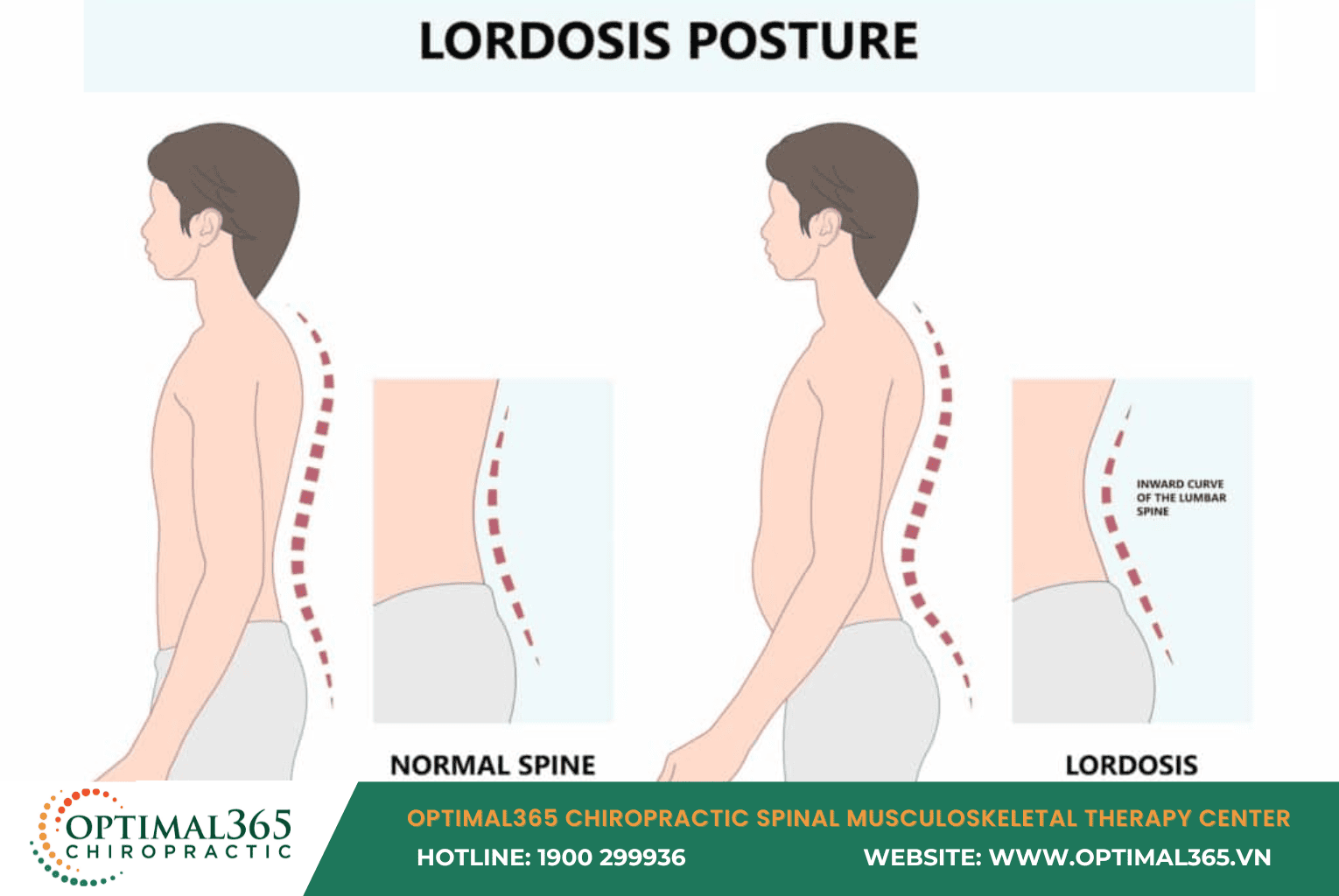
Swayback, medically called lumbar lordosis or hyperlordosis, occurs when the natural inward curve of the lower back (lumbar spine) becomes exaggerated. A healthy spine has gentle curves: inward at the neck and lower back, outward at the upper back. When the lumbar curve is too deep, it creates the characteristic “swayback” appearance.
Common signs include:
- Noticeable arch in the lower back with a large gap when lying flat.
- Protruding abdomen and buttocks pushed backward.
- Lower back pain, hip tightness, and fatigue.
It can affect people of all ages but is especially common in office workers, overweight individuals, and older adults.
Causes of Swayback
Swayback has two main categories of causes:
1. Postural and Lifestyle Factors (Most Common)
- Poor posture from prolonged sitting.
- Obesity or excess abdominal weight pulling the spine forward.
- Frequent high-heel wearing.
- Weak abdominal muscles combined with tight hip flexors.
2. Medical and Structural Causes
- Congenital conditions (e.g., achondroplasia, spondylolisthesis).
- Osteoporosis or degenerative spine diseases.
- Spinal injuries or trauma.
- Muscle imbalances or neurological issues.
If untreated, swayback may lead to chronic back pain, disc problems, and reduced mobility.
Symptoms and Complications
Besides visible posture changes, symptoms often include lower back pain that worsens with standing, hip stiffness, and difficulty with daily movements. In severe cases, it can affect gait and even internal organ function.
How to Fix Swayback Effectively
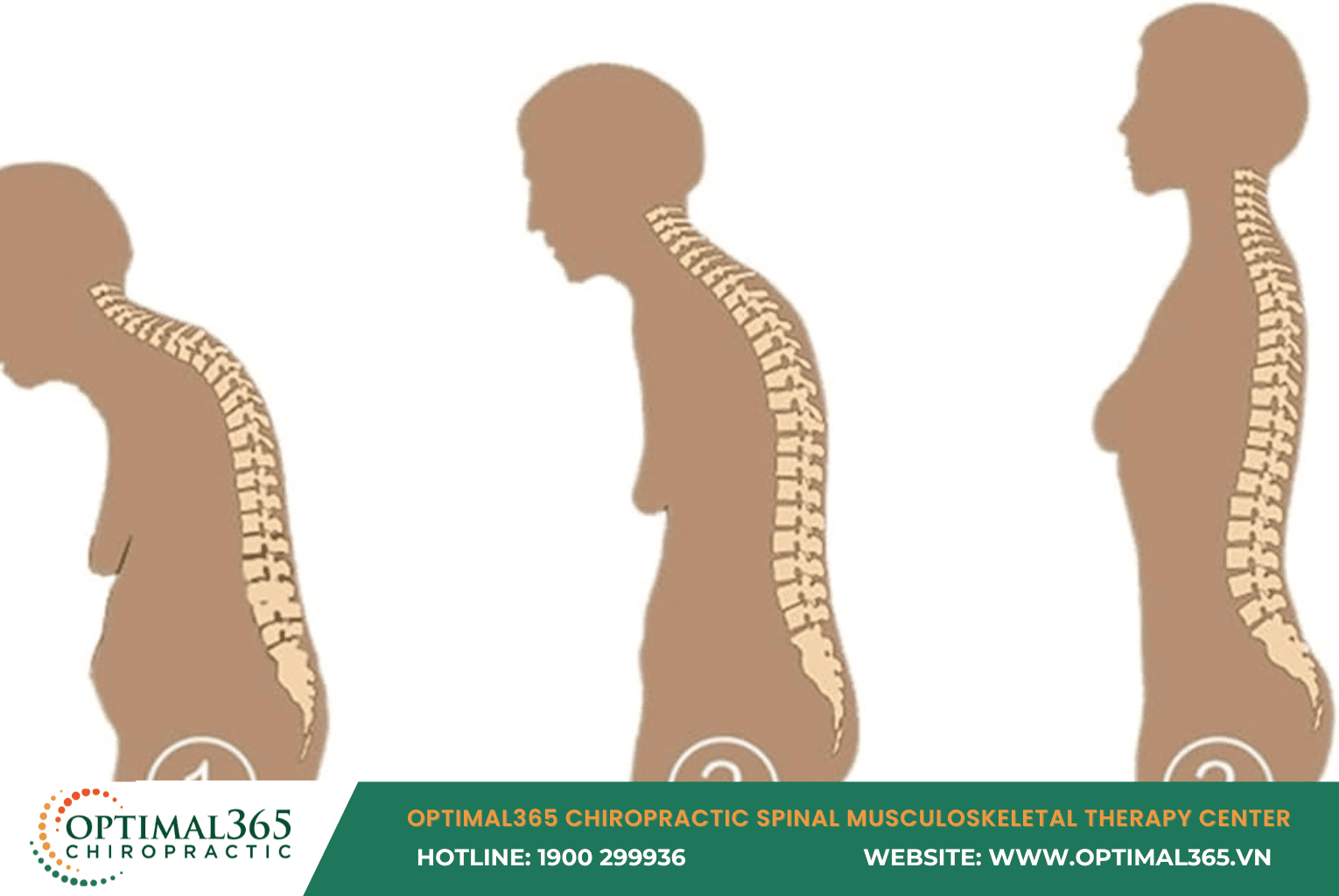
Most postural swayback can be significantly improved with consistent exercises and habit changes.
1. Targeted Exercises to Correct Swayback
- Strengthen core and glutes: Plank, glute bridge, pelvic tilt.
- Stretch tight hip flexors and lower back muscles.
- Yoga and Pilates are highly recommended for restoring balance.
Image 2 Filename: exercises-to-fix-swayback.jpg Alt: Person performing pelvic tilt and glute bridge exercises to correct swayback at home Description: Step-by-step demonstration of simple home exercises that help fix swayback by strengthening the core and stretching the hips.
2. Lifestyle Adjustments
- Maintain proper sitting and standing posture with lumbar support.
- Lose excess weight if overweight.
- Avoid high heels for long periods.
- Take movement breaks every 30–45 minutes.
3. Professional Treatments
- Physical therapy guided by experts.
- Bracing in some cases.
- Surgery only for severe structural problems.
According to reliable sources like Cleveland Clinic, combining targeted exercises with posture correction is the most effective non-surgical way to fix swayback.
Important Notes
Always consult a doctor or physical therapist before starting exercises, especially if you have acute pain. Combine exercises with a calcium-rich diet and weight management for best results. Noticeable improvement usually appears within 4–6 weeks of consistent practice.
Conclusion Understanding what swayback is, its causes, and how to correct it empowers you to regain a healthy, pain-free posture. Start implementing these simple changes today for stronger back health.
References
Cleverland: Lordosis (Swayback)