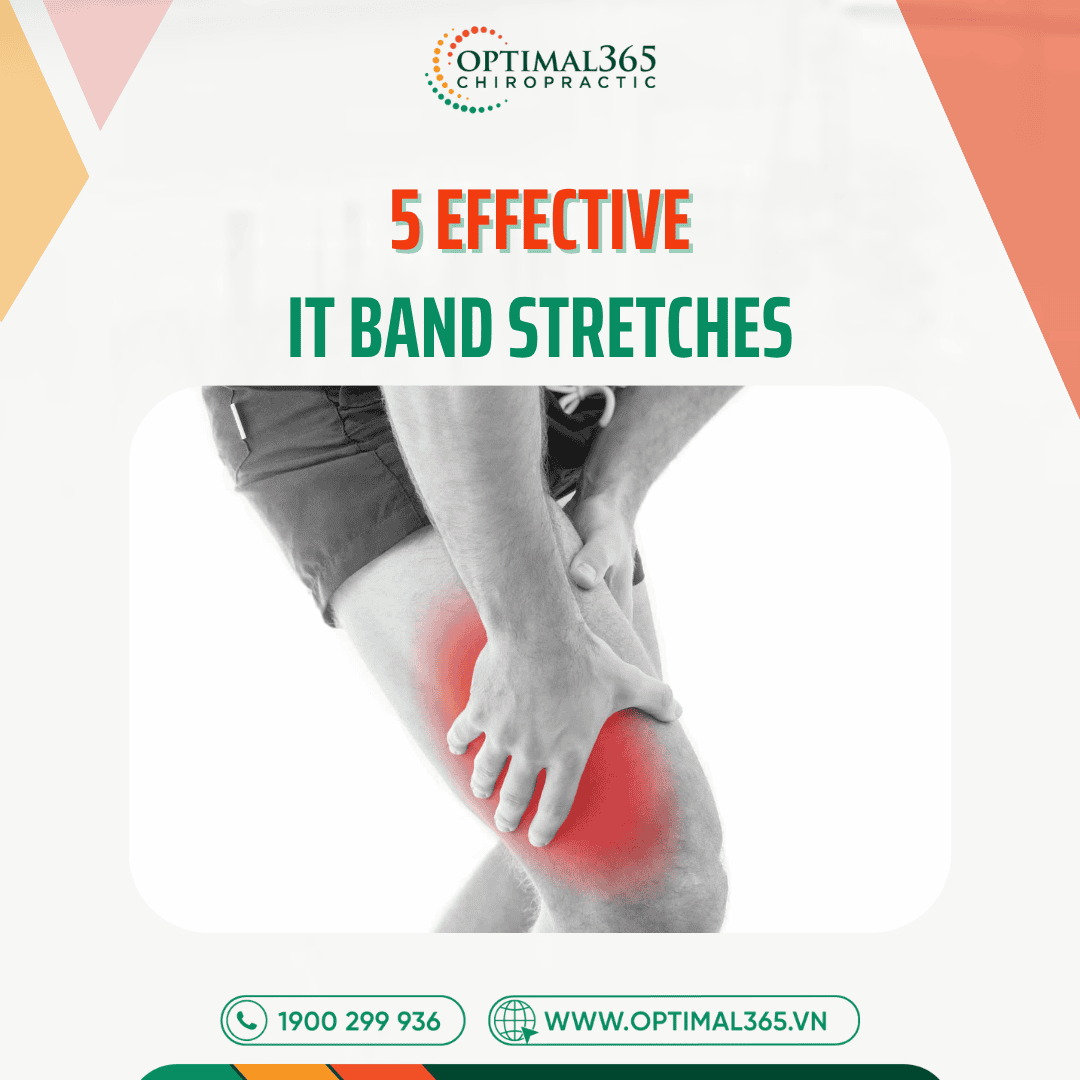
IT Band Syndrome (Iliotibial Band Syndrome) is one of the most common causes of outer knee pain, especially among runners, cyclists, and individuals engaged in high-intensity physical activities. Proper stretching and strengthening exercises can significantly reduce pain, improve mobility, and prevent recurrence.
What Causes IT Band Pain?
The iliotibial band (IT band) is a thick connective tissue running from the hip down to the outer knee. When it becomes tight or inflamed due to excessive friction against the femur, it can lead to sharp pain or swelling.
Tight IT bands often develop alongside other lower-body issues. If you also experience numbness in your toes, this may signal nerve or circulatory involvement that benefits from a comprehensive treatment plan.
Common Causes:
- Weak hip (glute) muscles
- Sudden increase in training intensity
- Poor biomechanics or foot structure
- Repetitive knee bending activities (running, cycling)
5 Best IT Band Exercises (Clinically Recommended)
Standing IT Band Stretch
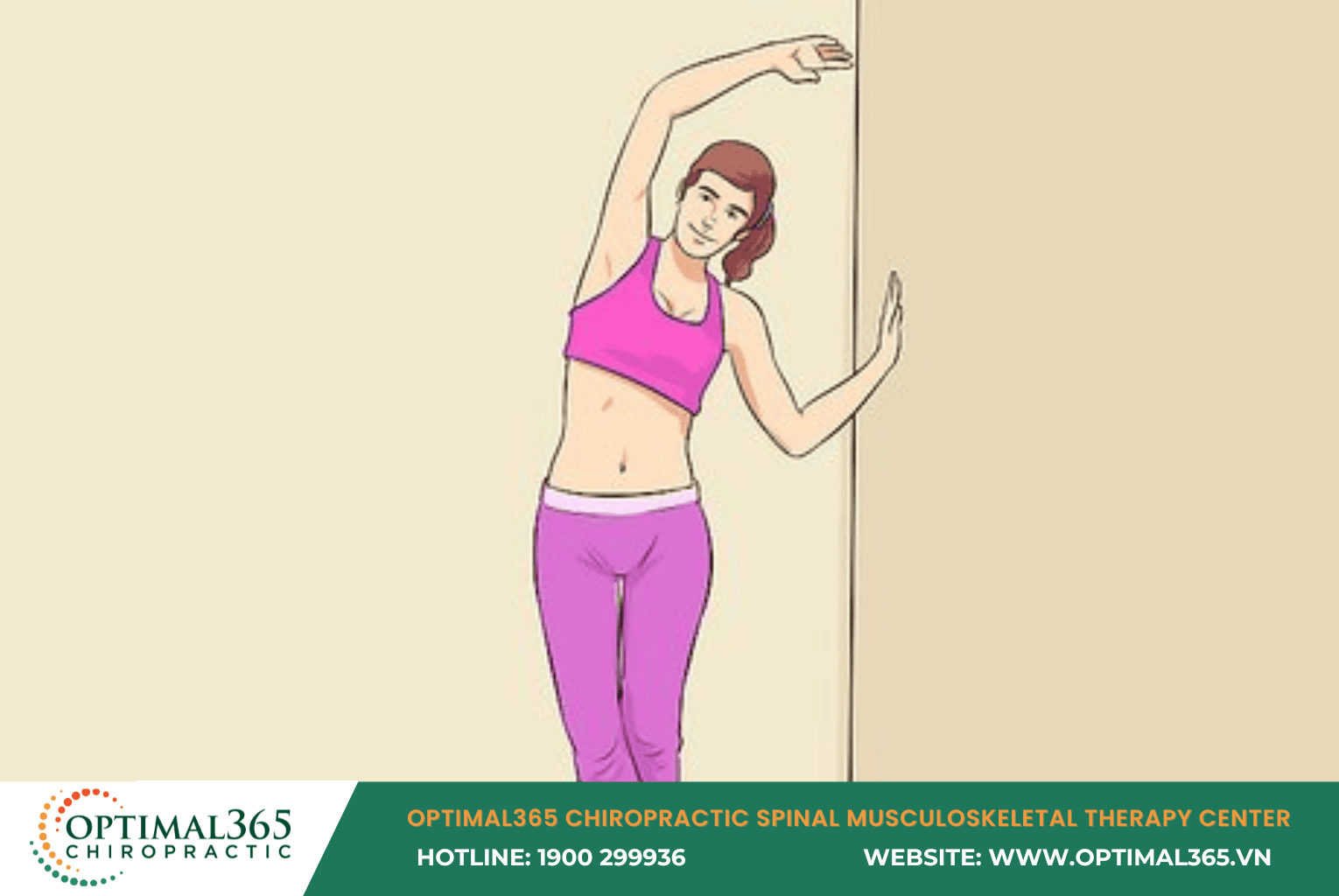
Step 1: Stand upright, cross the affected leg behind the other leg.
Step 2: Lean your body toward the non-painful side until you feel a stretch along the outer hip and thigh of the back leg.
Step 3: Hold the position for 20–30 seconds.
Step 4: Repeat 3 times per set.
Side-lying Leg Raise
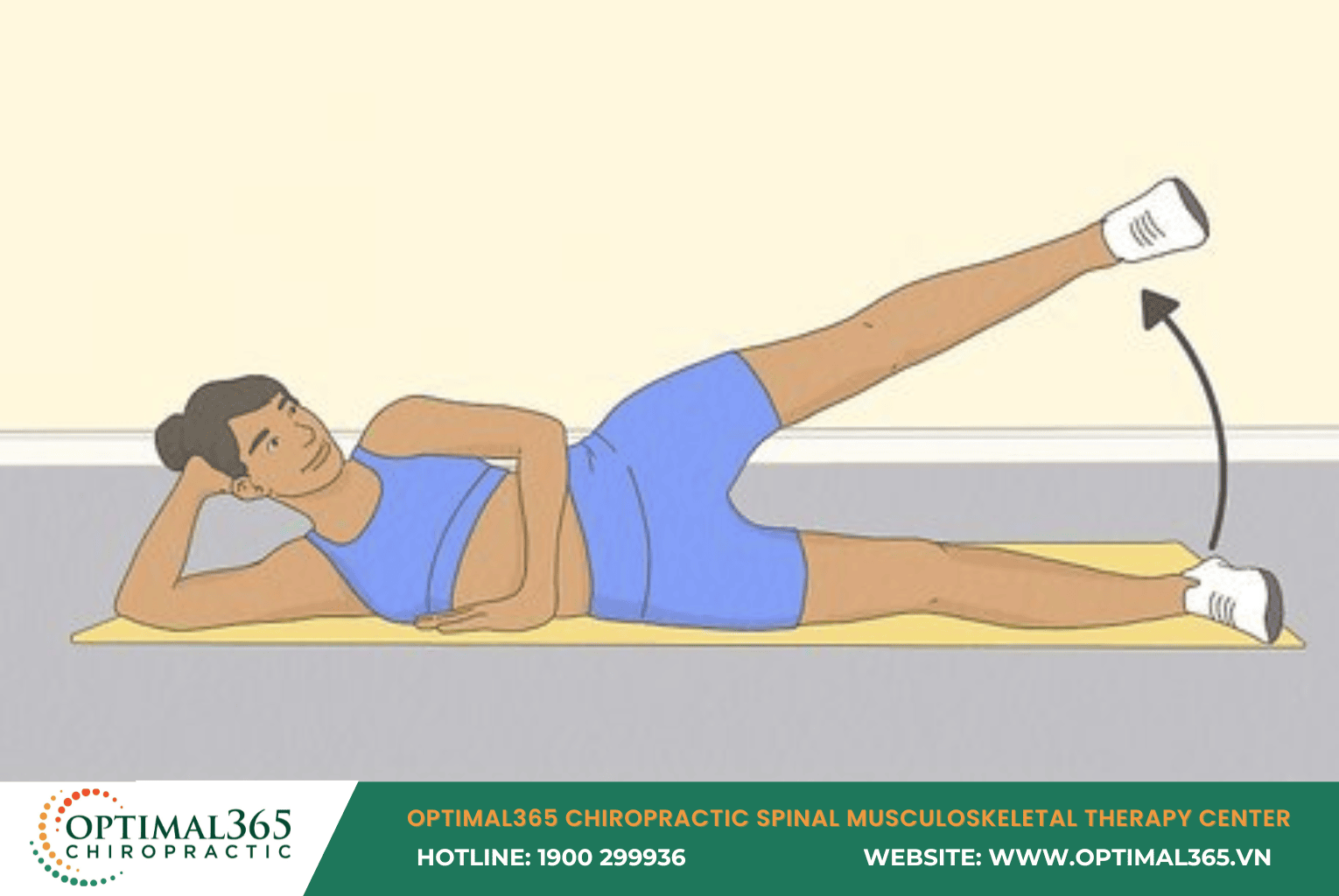
Step 1: Lie on the non-painful side, slightly bend the bottom leg for balance.
Step 2: Keep the top leg straight and slowly lift it up (about 45 degrees). Avoid rotating the hips backward.
Step 3: Lower the leg slowly.
Step 4: Perform 2 sets of 15 reps for each side.
Clamshell Exercise
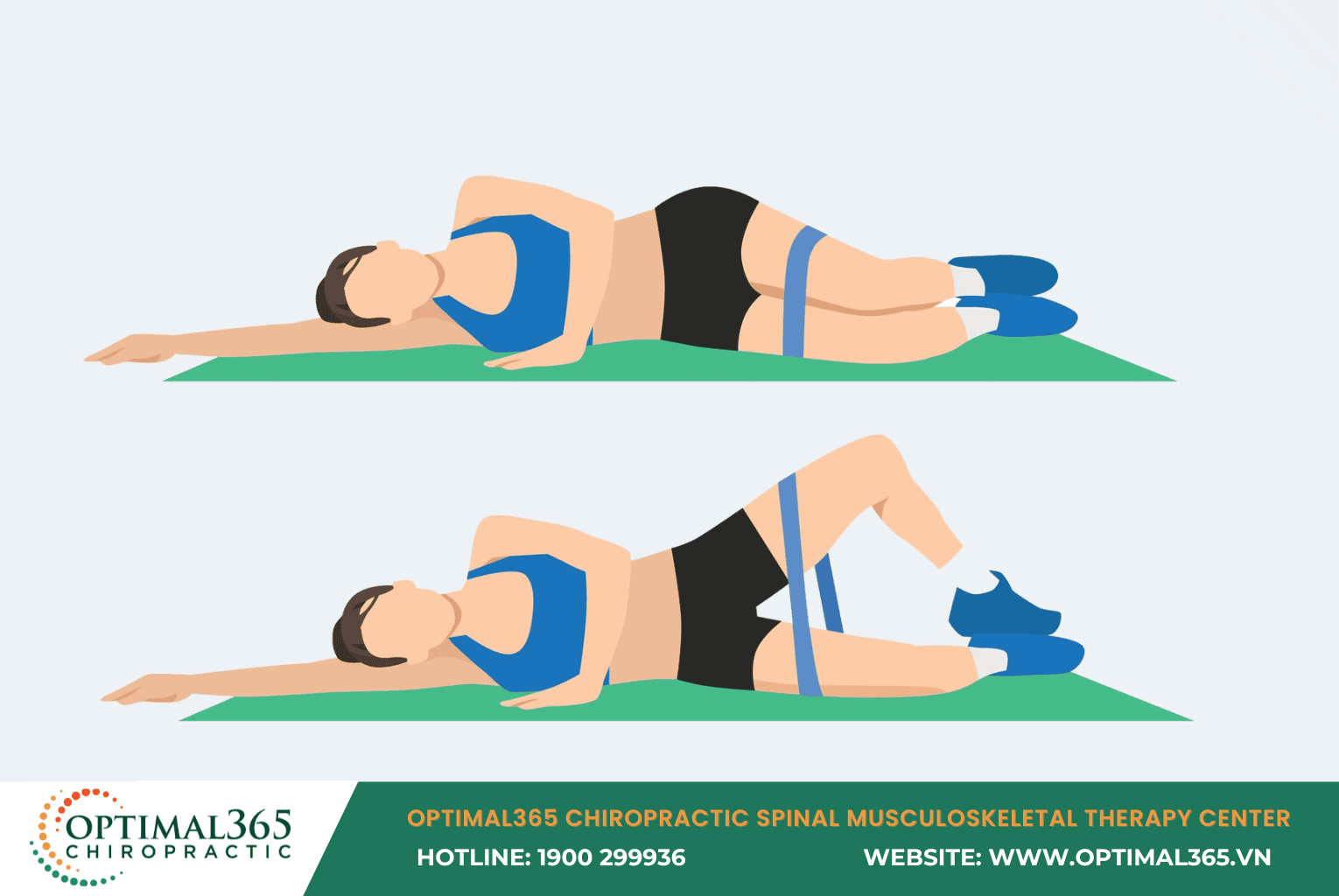
Step 1: Lie on your side with both knees bent and stacked.
Step 2: Keep your heels together and slowly lift the top knee as high as possible without moving your pelvis.
Step 3: Hold for 2 seconds, then lower down.
Step 4: Perform 3 sets of 10–15 reps.
Glute Bridge
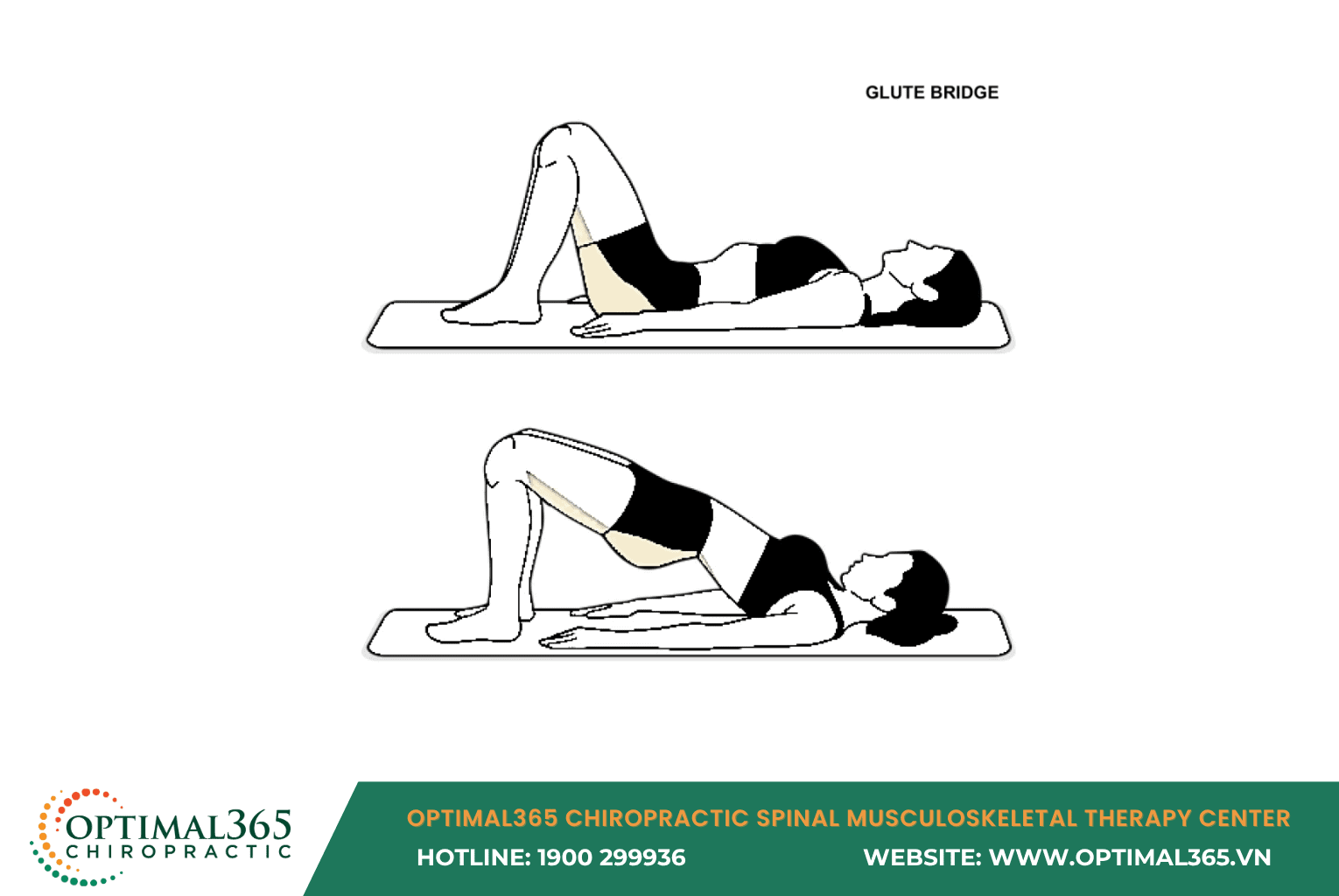
Step 1: Lie on your back with knees bent and feet flat on the floor.
Step 2: Lift your hips until your shoulders, hips, and knees form a straight line.
Step 3: Squeeze your glutes at the top and hold for a few seconds.
Step 4: Slowly lower down and repeat 15 times.
Foam Rolling
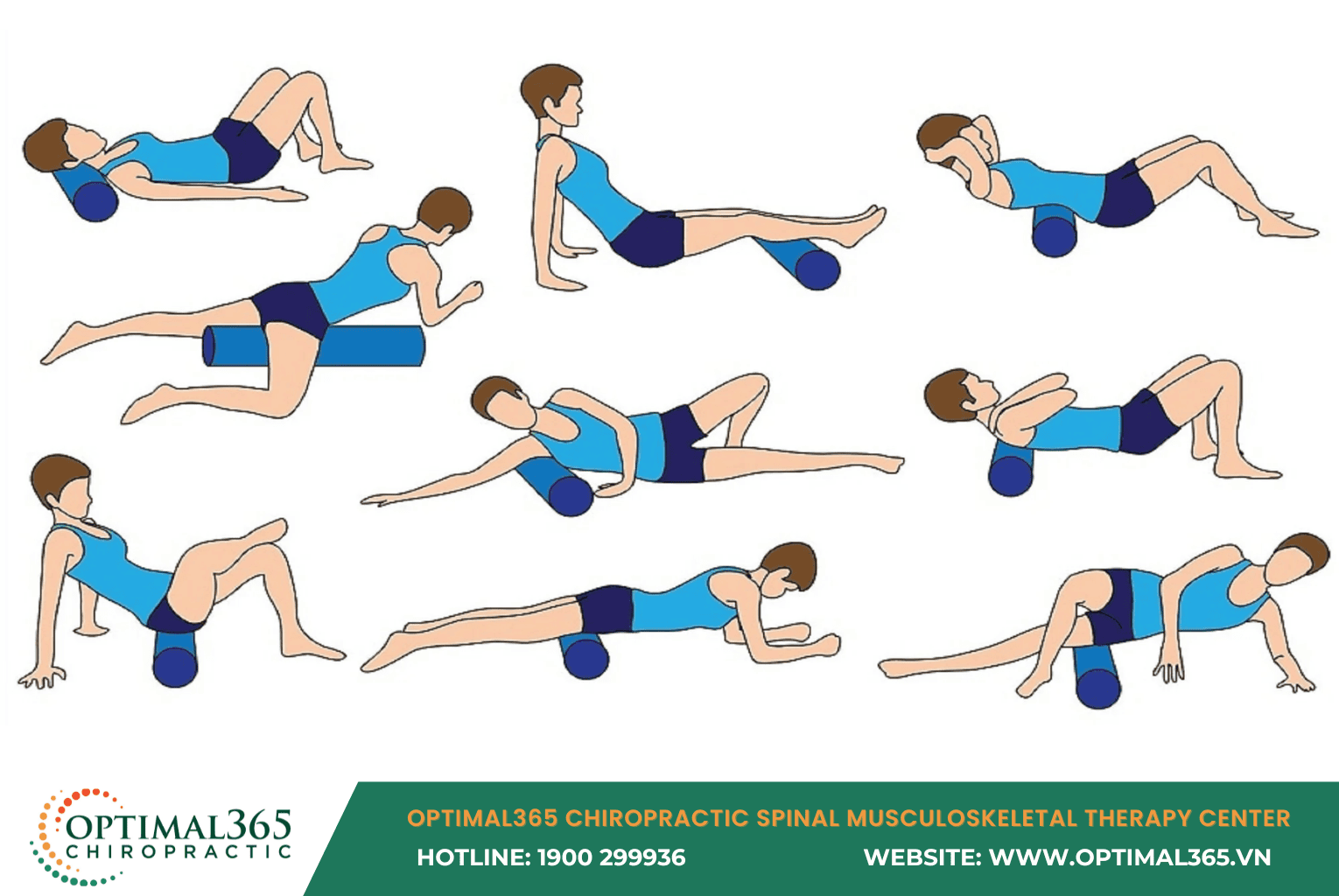
Step 1: Lie on your side and place a foam roller under the outer thigh.
Step 2: Use your arms and opposite leg to control pressure, rolling from hip to just above the knee.
Step 3: Move slowly and pause on tender spots for about 30 seconds.
Expert References
These exercises are developed based on rehabilitation guidelines from reputable medical organizations:
Recovery from IT band syndrome is accelerated by better sleep habits. Learn about ideal sleeping positions for spinal health that help reduce overnight tension in the hips and knees.
- Hospital for Special Surgery (HSS): Stretching techniques to improve mobility
- Dartmouth-Hitchcock Medical Center: Hip and knee strengthening programs
- Bauerfeind Performance Health: Optimized exercises for IT Band Syndrome
Conclusion
Consistently performing stretching and strengthening exercises will help you return to your normal training routine faster. However, if the pain persists or worsens, you should seek advice from rehabilitation specialists for a more advanced treatment plan.
A full-body approach to musculoskeletal health means addressing the chain of connected structures. Explore how shoulder range of motion assessments can reveal early signs of compensatory patterns throughout the body.