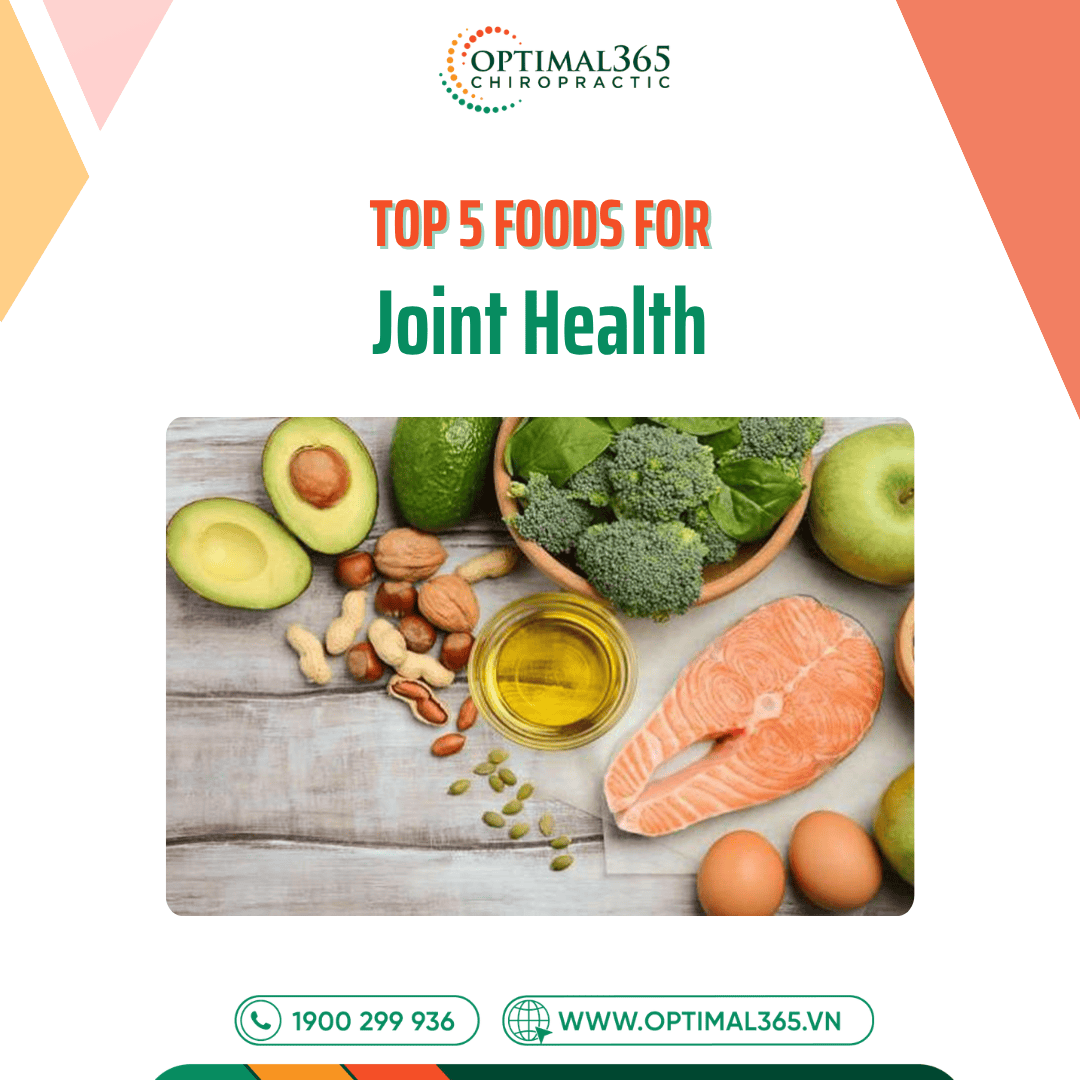
Joint health doesn’t just “decline with age”—it is also greatly influenced by your daily diet. If you often experience back pain, neck and shoulder stiffness, or morning joint stiffness, your body may be lacking essential nutrients.
In this article, let’s explore the Top 5 foods for joint health recommended by experts—easy to find and simple to incorporate into your daily meals.
Why Does Nutrition Affect Joint Health?
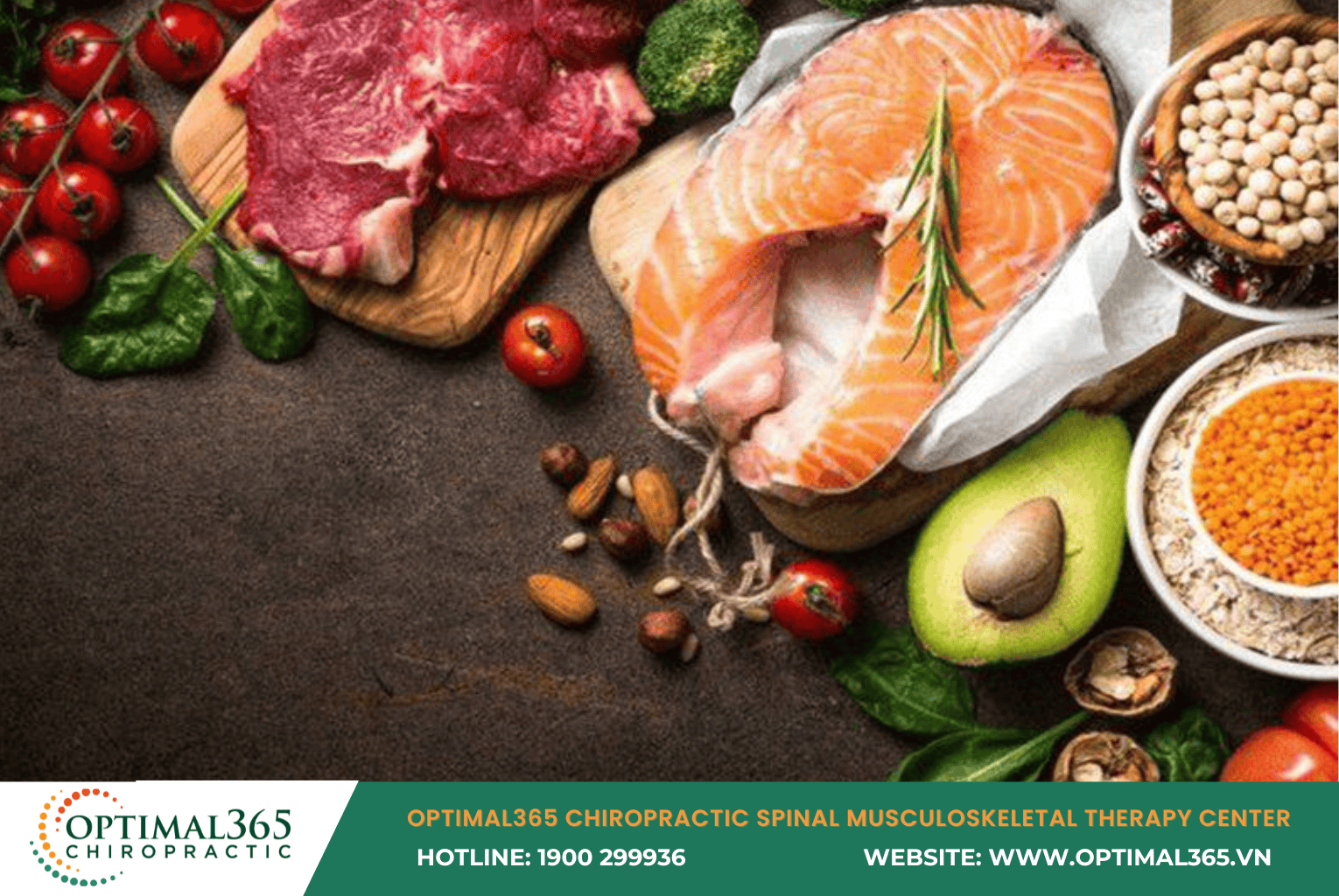
Bones and cartilage require continuous nourishment from nutrients such as calcium, collagen, vitamin D, and omega-3. Long-term deficiencies can weaken joint structure and lead to:
- Osteoarthritis
- Back pain and knee pain
- Joint stiffness and reduced flexibility
Statistics show that up to 60% of workers in Vietnam experience back pain due to lifestyle and prolonged working habits. This highlights the importance of early joint care.
Top 5 Foods to Support Joint Health
1. Fatty Fish (Salmon, Mackerel, Sardines)
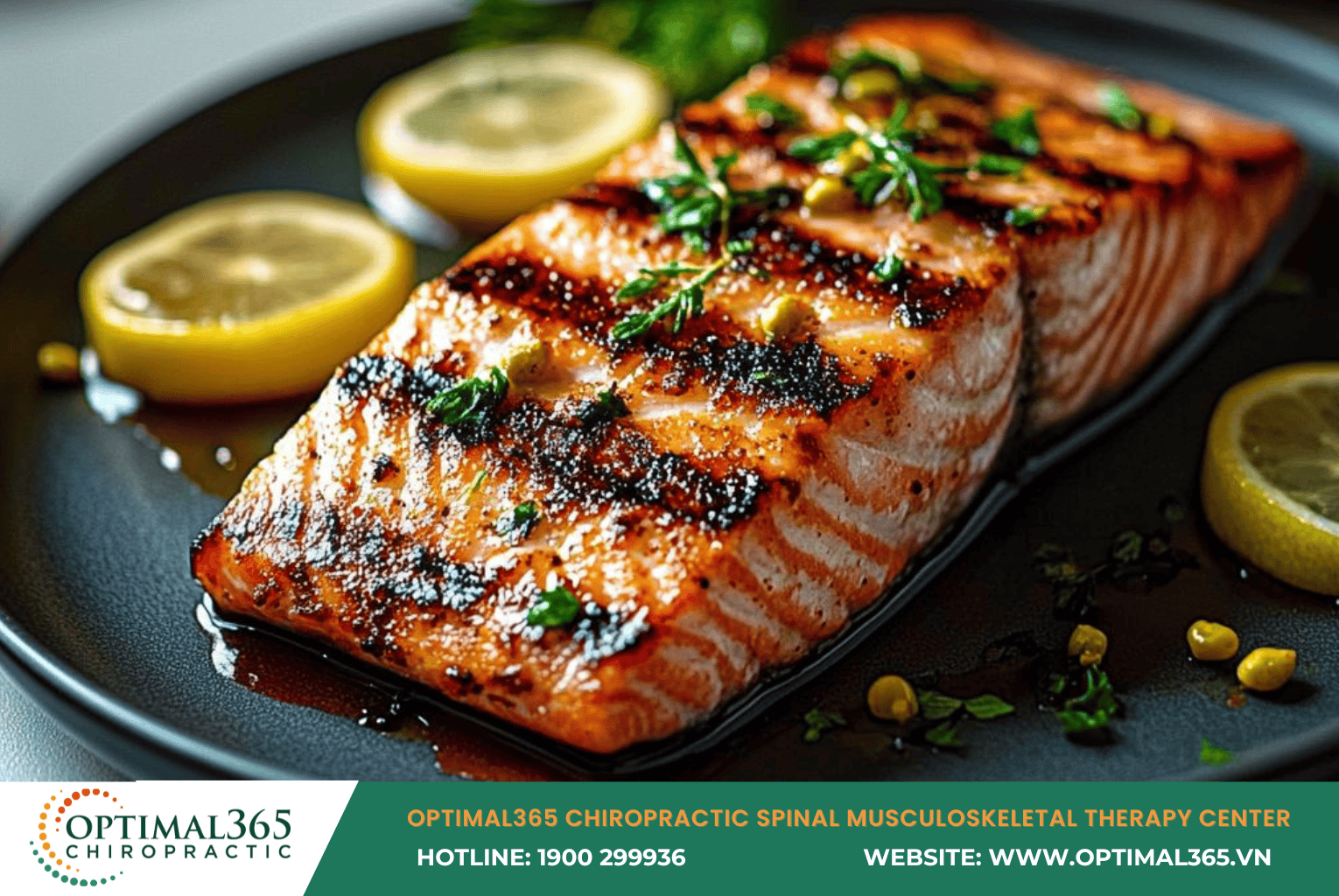
This is considered a “gold standard” food group for joint health.
Benefits:
- Rich in omega-3 to reduce joint inflammation
- Provides vitamin D to support calcium absorption
- Helps relieve pain naturally
Experts recommend consuming fatty fish 2–3 times per week to improve joint dryness and discomfort.
2. Bone Broth – Natural Collagen Source
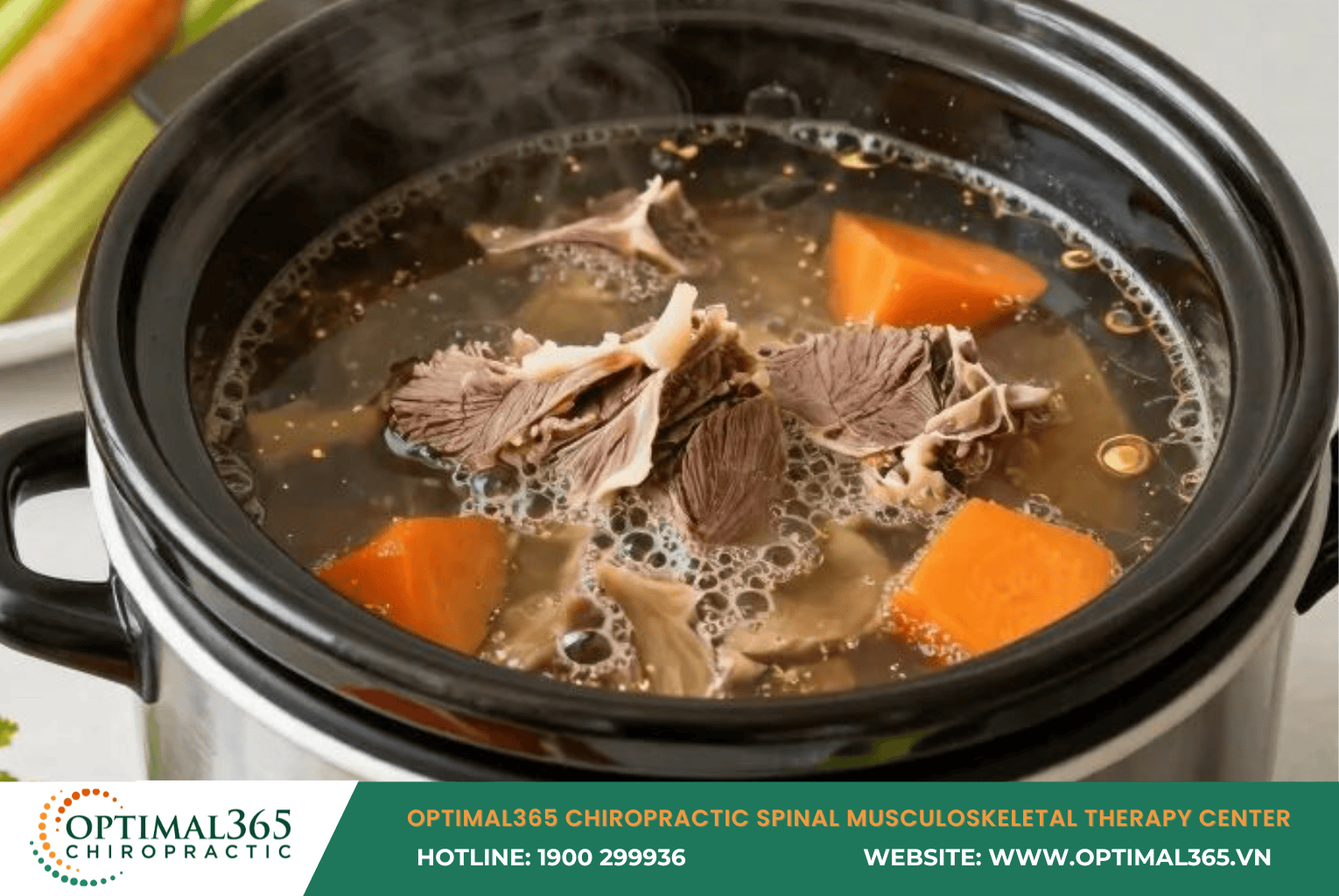
Bone broth (such as pho or bun bo) is actually a hidden “secret” in Vietnamese cuisine:
- Rich in collagen and gelatin
- Helps lubricate joints
- Improves cartilage elasticity
This is why many traditional Vietnamese dishes are unintentionally beneficial for joint health.
3. Dark Leafy Greens (Broccoli, Spinach)
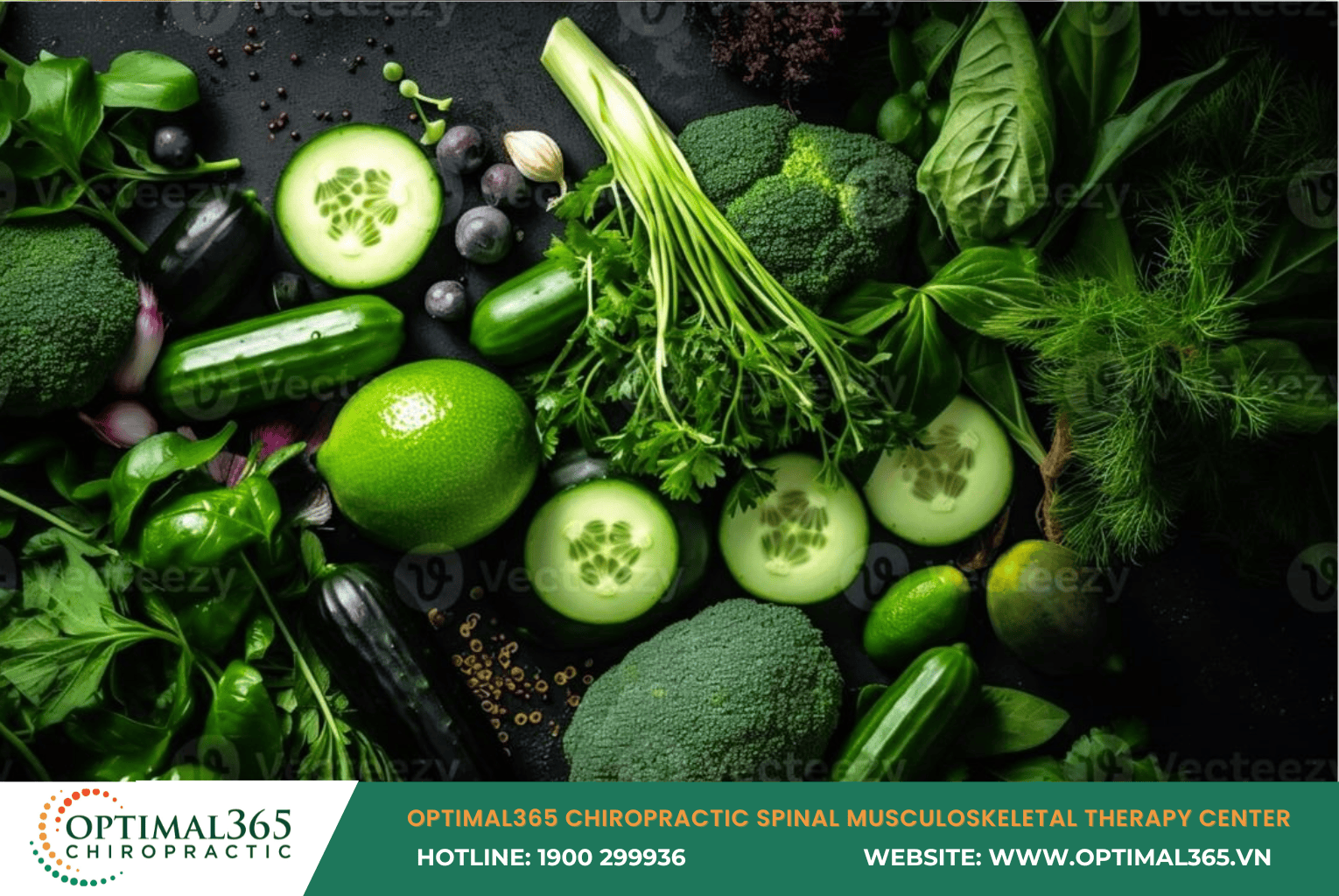
These vegetables are packed with essential vitamins and minerals.
Benefits:
- High in vitamin K to retain calcium in bones
- Vitamin C supports collagen production
- Antioxidants help slow degeneration
Eating more greens helps increase bone density and protect bone cells from damage.
4. Nuts (Walnuts, Almonds, Chia Seeds)
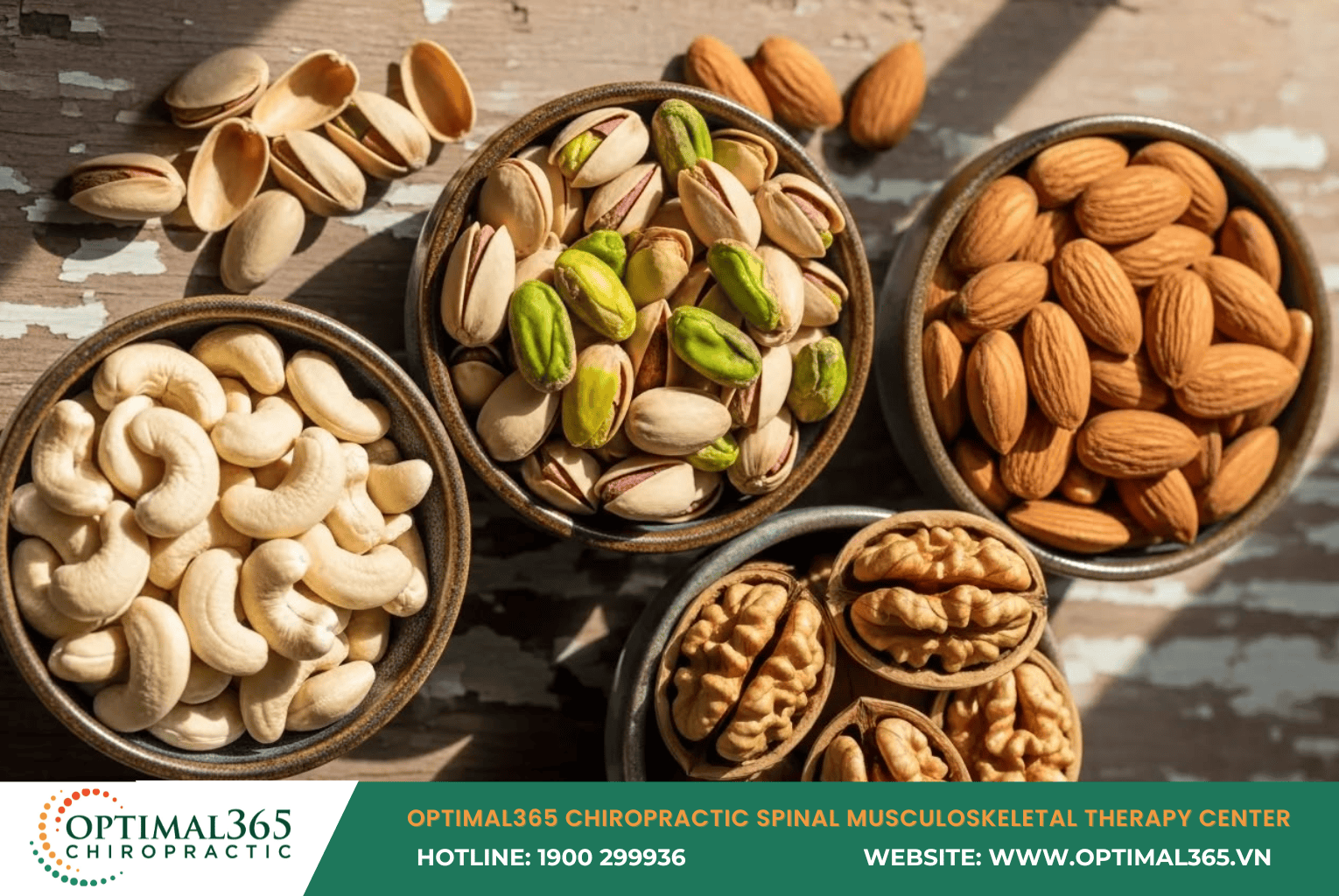
A small but powerful nutritional source.
Benefits:
- Rich in magnesium and zinc for bone formation
- Provide plant-based omega-3
- Reduce inflammation and joint pain
They also help improve mineral absorption for stronger bones.
5. Vitamin C-Rich Fruits (Oranges, Grapefruit, Berries)
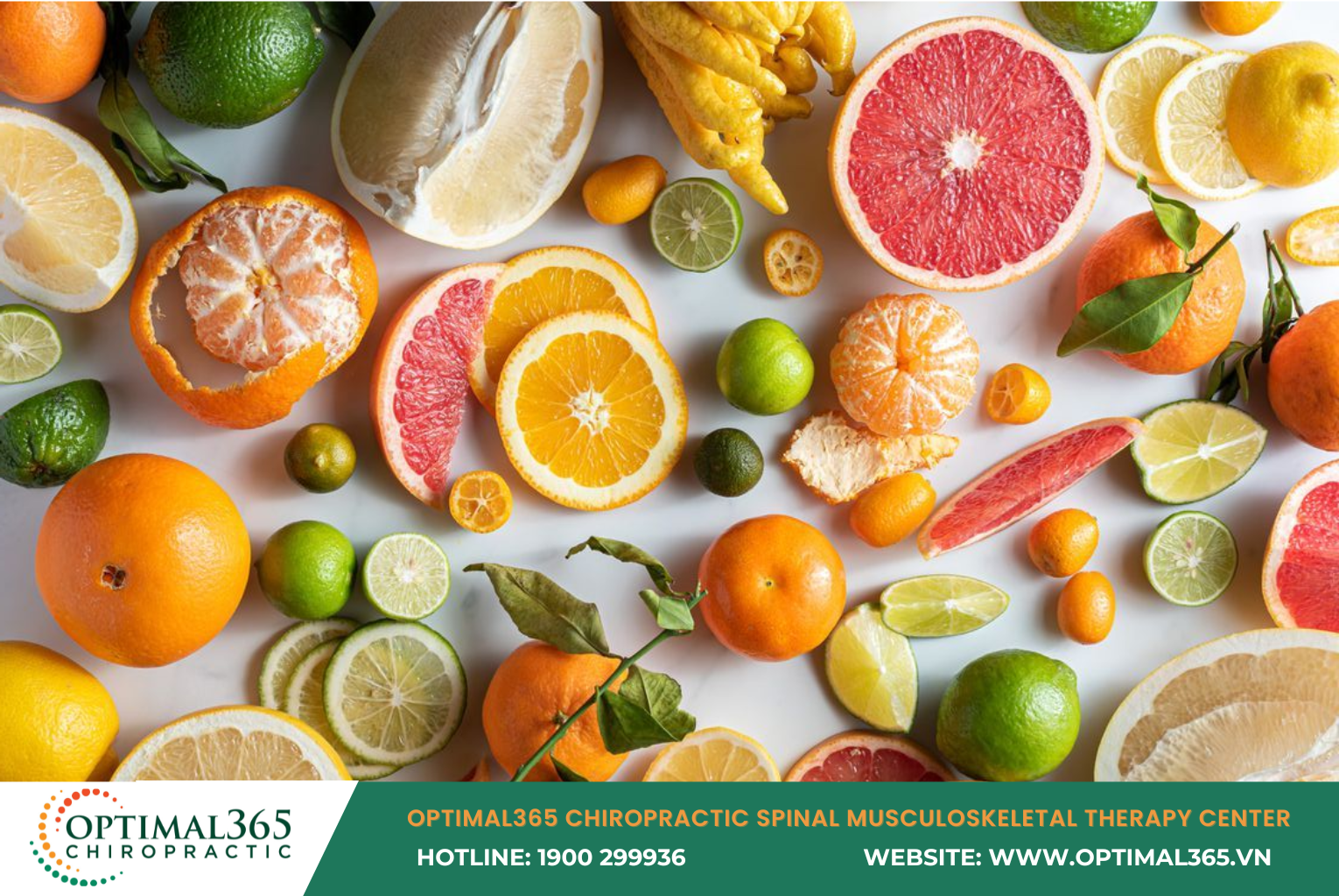
Fruits are essential not only for overall health but also for joint health.
Benefits:
- Boost collagen production
- Help prevent bone loss
- Reduce inflammation and pain
Fruits like oranges, grapefruit, and berries are rich in vitamin C, helping protect bone structure effectively.
Suggested Daily Meal Plan
To maximize the benefits of these foods, you can follow a simple meal plan:
- Breakfast: Milk + nuts (walnuts, almonds) + vitamin C-rich fruits
- Lunch: Fatty fish (salmon, mackerel) + dark leafy greens
- Dinner: Bone broth or tofu + vegetables
This diet provides essential nutrients such as calcium, omega-3, vitamin D, and collagen—key elements for nourishing bones and joints.
When Should You Consider Additional Supplementation?
In reality, daily meals may not provide enough specific joint-supporting compounds such as:
- Glucosamine
- Chondroitin
- MSM
These play important roles in:
- Cartilage regeneration
- Increasing joint fluid production
- Reducing friction and improving mobility
Experts often recommend supplements for individuals who:
- Experience persistent joint pain
- Have sedentary office jobs
- Are physically active or show early signs of degeneration
Suggested Supplement: Optivita
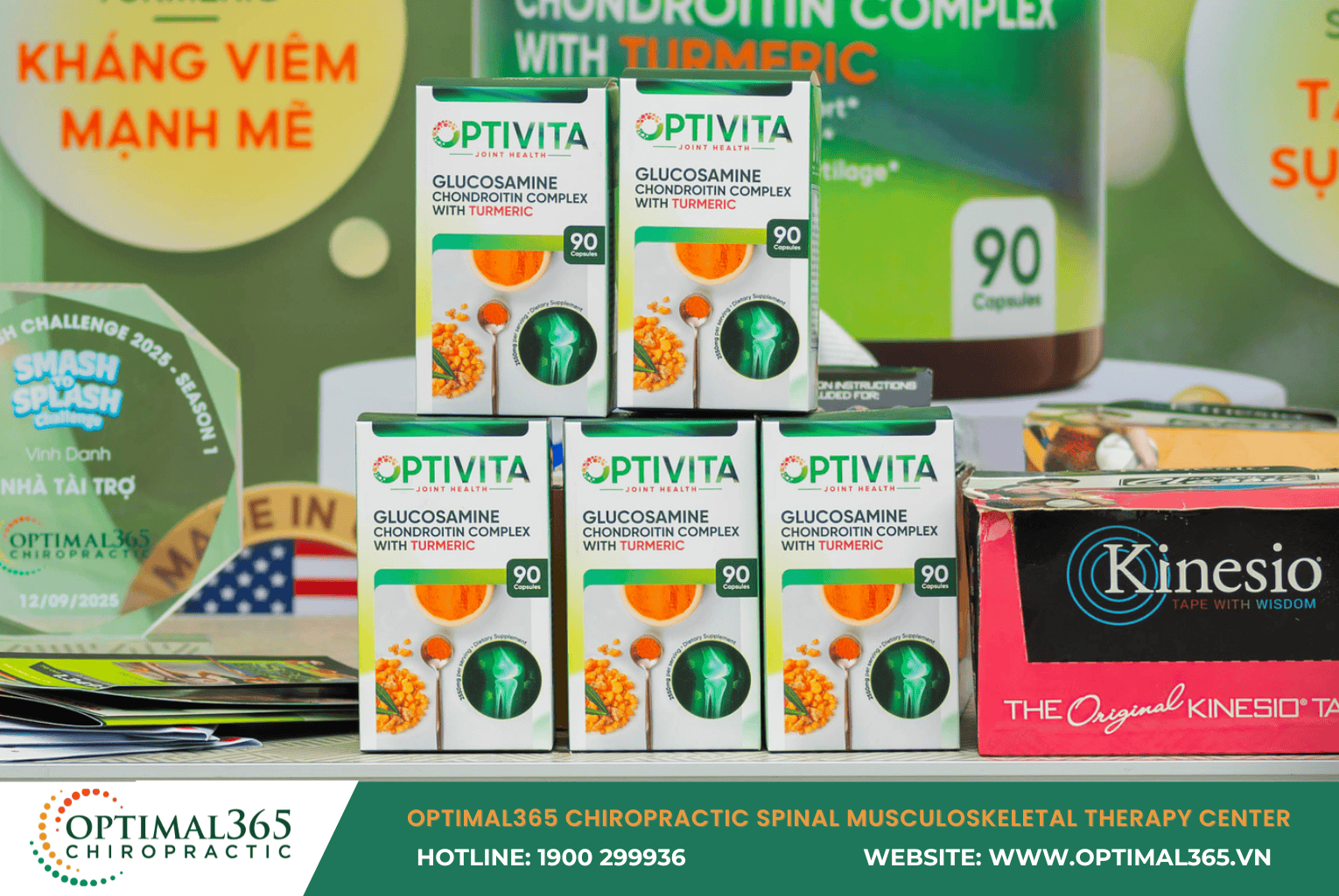
One popular option is Optivita , a supplement designed to support joint health from within.
Its formula typically includes:
- Glucosamine: supports cartilage regeneration
- Chondroitin: improves elasticity and protects cartilage
- Turmeric & Boswellia: help reduce inflammation naturally
- MSM: enhances joint flexibility
Benefits:
- Reduces pain and stiffness
- Helps slow down degeneration
- Improves daily mobility
Important Tips for Joint Health
For effective joint care, combine:
- Natural foods: provide foundational nutrition
- Supplements: enhance targeted nutrients when needed
- Proper exercise: maintain joint flexibility
💡 This holistic approach helps protect joint health long-term, especially for younger individuals experiencing early symptoms due to modern lifestyles.
Conclusion
Incorporating the right Top 5 foods for joint health not only helps reduce pain but also supports long-term flexibility and joint function. However, for optimal results, you should combine:
- Proper nutrition
- Correct physical activity
- Professional assessment when necessary
💡 One important thing to remember:
Food-based solutions are supportive—they cannot replace medical treatment if you have persistent pain or abnormal joint symptoms.
If you are experiencing long-term joint pain or stiffness, early evaluation can help identify the root cause and prevent future complications.
At Optimal365, every client undergoes a comprehensive musculoskeletal assessment based on international standards, ensuring a personalized and safe treatment plan.