What Is Wrist Pain When Bearing Weight?

What Is Wrist Pain When Bearing Weight?
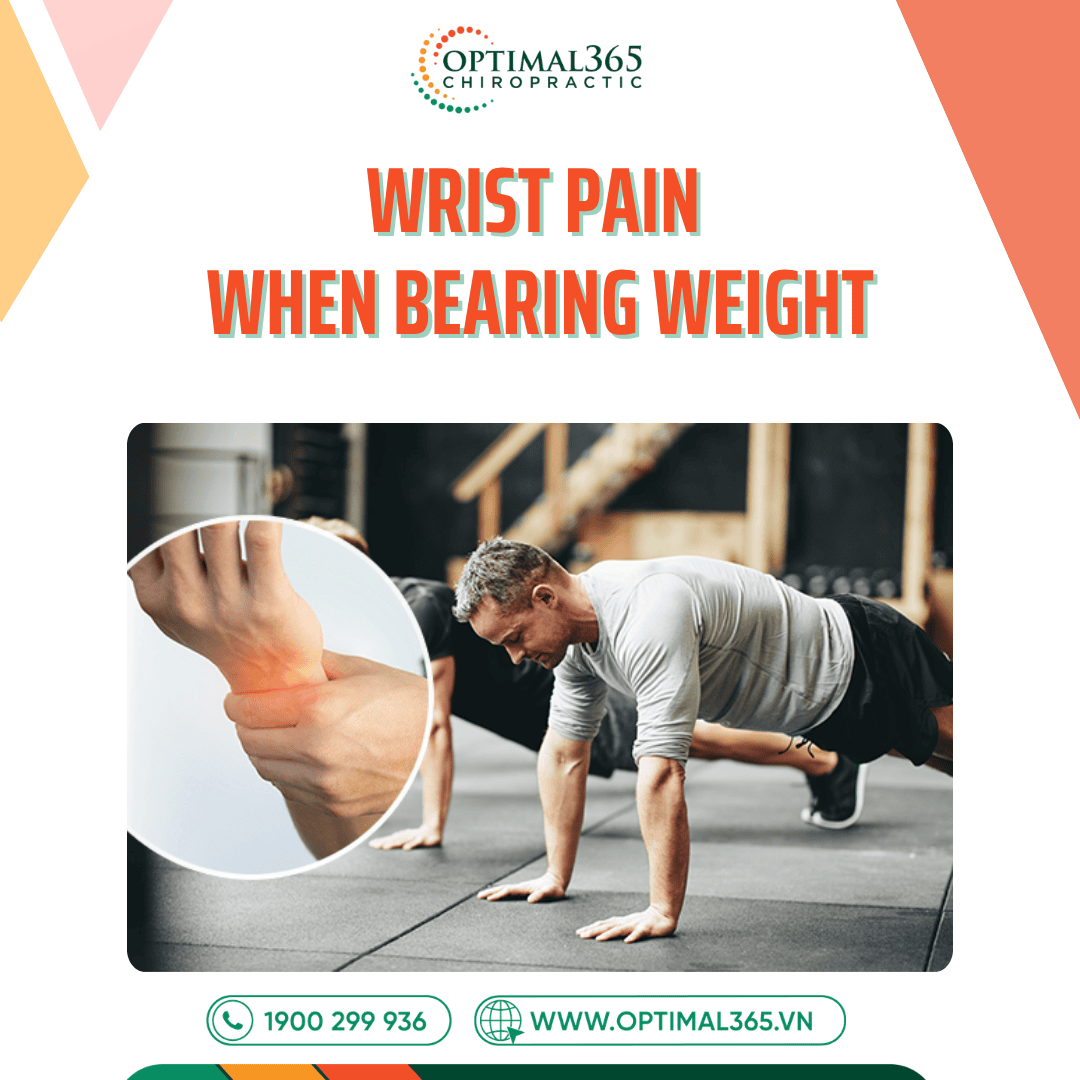
Wrist pain when bearing weight is a condition that occurs when you put pressure on your wrist, such as during push-ups, yoga poses, getting up from a seated position, or even leaning your hand on a desk.
The pain can range from a dull ache to sharp discomfort, sometimes accompanied by weakness, tingling, or stiffness in the wrist.
This is not a standalone condition but rather a warning sign of underlying issues involving muscles, tendons, ligaments, or joints in the wrist.
Why Do You Experience Wrist Pain When Bearing Weight?
Carpal Tunnel Syndrome

This condition occurs when the median nerve is compressed within the carpal tunnel, causing pain, numbness, and weakness in the wrist and hand. Weight-bearing activities increase pressure, making symptoms worse.
Wrist Tendonitis
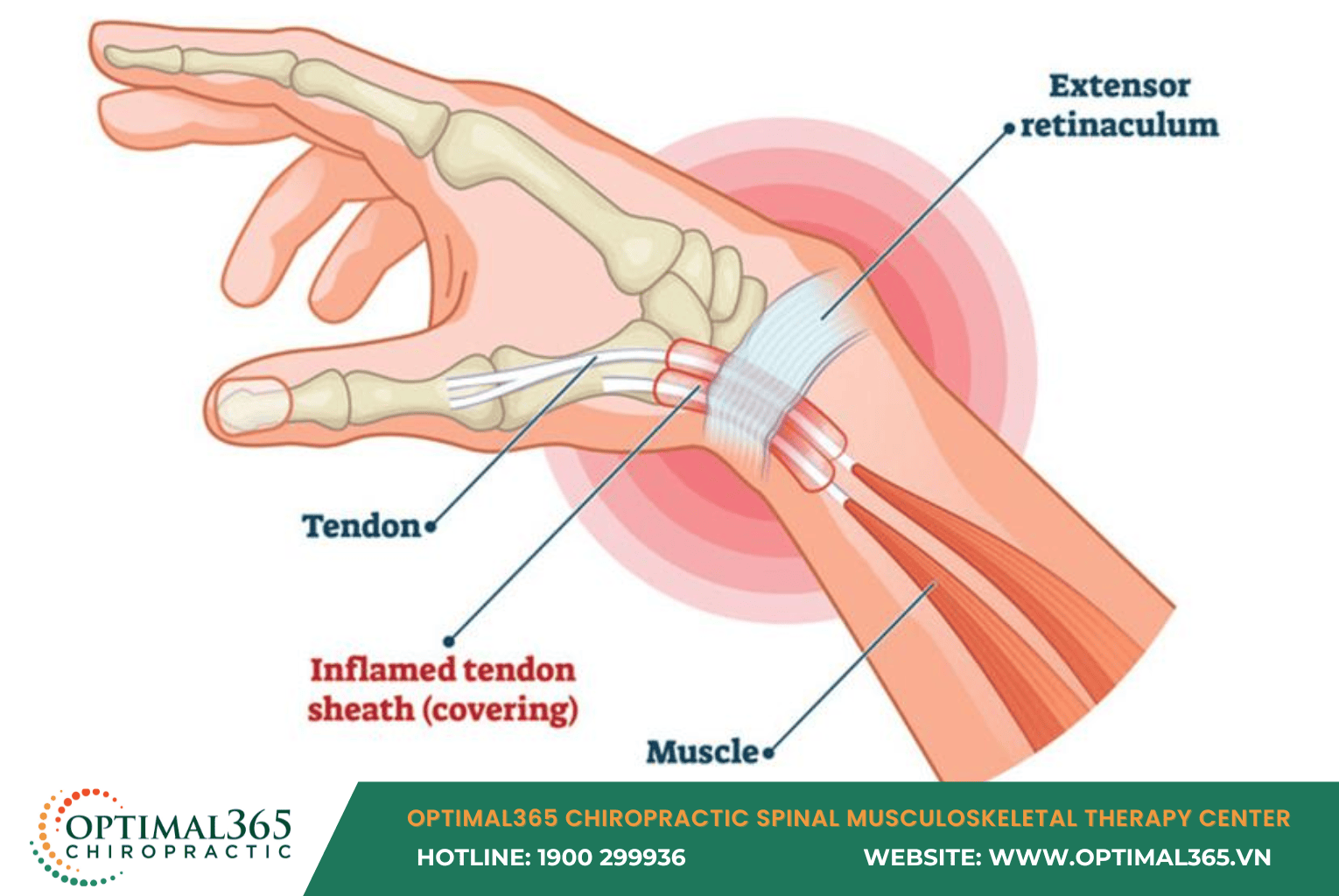
Repetitive activities such as typing, using smartphones, or incorrect exercise techniques can lead to tendon inflammation. When pressure is applied, the inflamed tendons become more painful.
Injury or Wrist Sprain
A sudden impact or incorrect wrist positioning during a fall or exercise can stretch or damage ligaments, resulting in prolonged discomfort.
Arthritis or Wrist Joint Degeneration
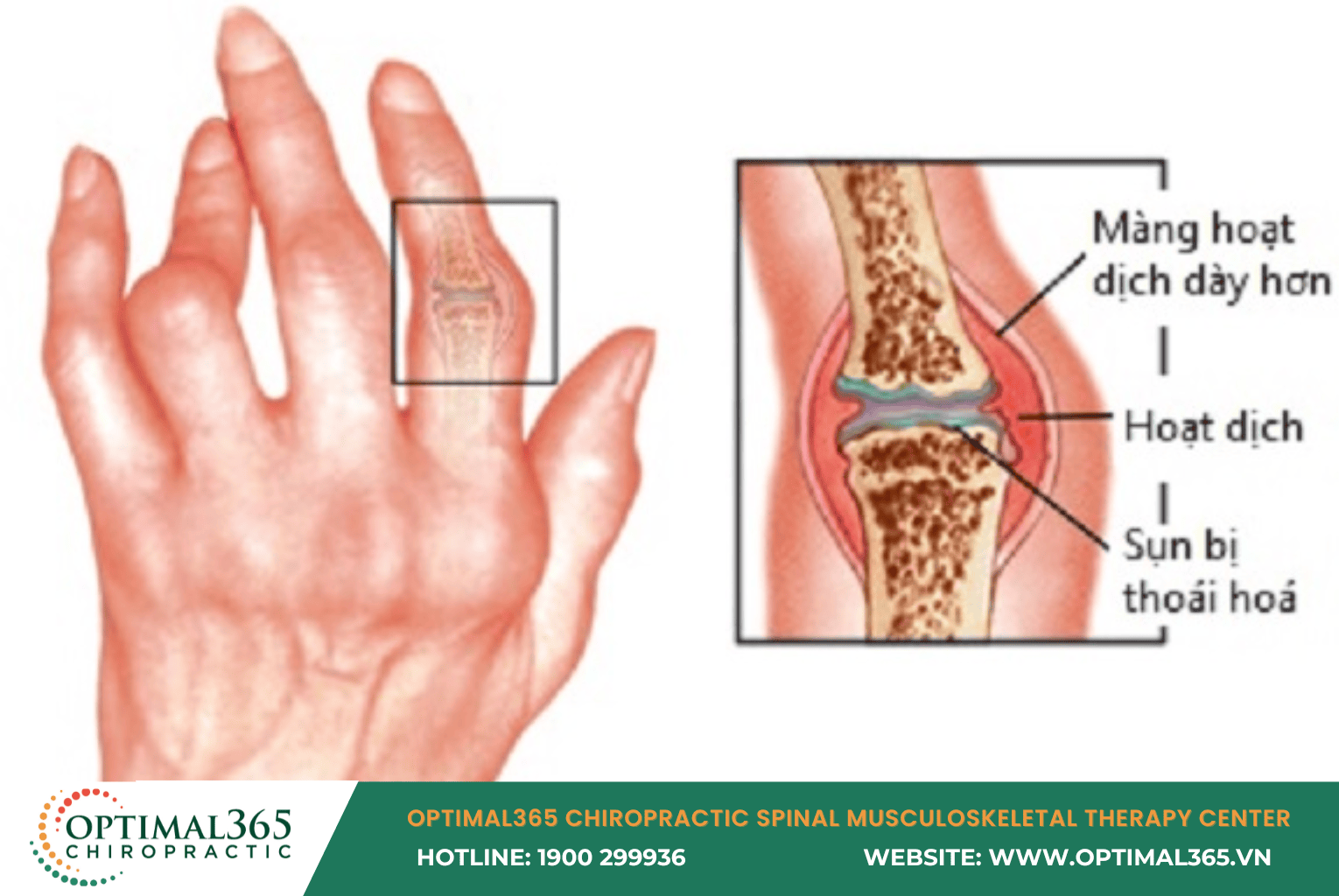
Common in individuals who use their hands frequently or are older, joint degeneration reduces the wrist’s ability to تحمل pressure, leading to pain during movement or weight-bearing.
Poor Posture in Daily Activities

Leaning on your wrist incorrectly, resting your chin on your hand, or maintaining improper wrist alignment during work or exercise can gradually strain the joint.
Common Symptoms to Watch For
- Pain when placing weight on the wrist
- Morning stiffness in the wrist joint
- Tingling or numbness in the hand or fingers
- Reduced grip strength
- Mild swelling or warmth around the wrist
If these symptoms persist or worsen, it may indicate deeper structural issues.
Expert Insights on Wrist Pain
According to leading medical organizations such as Cleveland Clinic, Mayo Clinic, and the NHS, wrist pain is commonly associated with:
- Tendon inflammation due to overuse
- Carpal tunnel syndrome
- Ligament or joint injuries
- Various forms of arthritis
Experts emphasize that repetitive strain and poor posture are among the most common causes, especially in office workers and athletes.
They also warn that improper self-treatment can worsen the condition and prolong recovery time.
When Should You See a Doctor?
You should seek medical attention if:
- Pain lasts more than one week without improvement
- Pain worsens even with light movement
- Numbness spreads or sensation decreases
- You cannot bear weight or grip objects normally
Early diagnosis is essential to prevent long-term complications.
How to Relieve Wrist Pain When Bearing Weight
Rest and Avoid Strain
Limit activities that put excessive pressure on your wrist, especially weight-bearing movements.
Adjust Your Posture
Keep your wrist in a neutral position during daily activities and workouts. Avoid extreme bending or extension.
Apply Cold or Heat Therapy
- Cold therapy: reduces inflammation and swelling
- Heat therapy: relaxes muscles and improves circulation
Perform Rehabilitation Exercises
Stretching and strengthening exercises help restore flexibility and improve wrist stability.
If you experience wrist discomfort even without pressure, you may also want to read about wrist pain without swelling — a closely related condition that often shares the same root causes.
Seek Professional Treatment
Chiropractic care and physical therapy can:
- Relieve nerve compression
- Improve joint mobility
- Restore natural movement patterns
Modern treatment approaches focus on addressing the root cause rather than just temporary pain relief.
Nerve compression in the wrist can also affect the fingers. Learn more about finger pain like pins and needles and when it requires medical attention.
How to Prevent Wrist Pain from Returning
- Maintain proper posture during work and exercise
- Take breaks every 30–60 minutes
- Avoid prolonged pressure on the wrist
- Strengthen wrist and forearm muscles
- Use ergonomic tools such as keyboards and mouse supports
Conclusion
Wrist pain when bearing weight is a common issue but should not be ignored. It may indicate underlying problems such as tendon inflammation, nerve compression, or joint damage. Understanding the causes and adjusting your daily habits can significantly reduce pain and prevent recurrence. Taking proper care of your wrist not only relieves pain but also improves your overall quality of life and daily performance.
Maintaining full shoulder range of motion is essential for distributing load properly and preventing compensatory wrist strain.