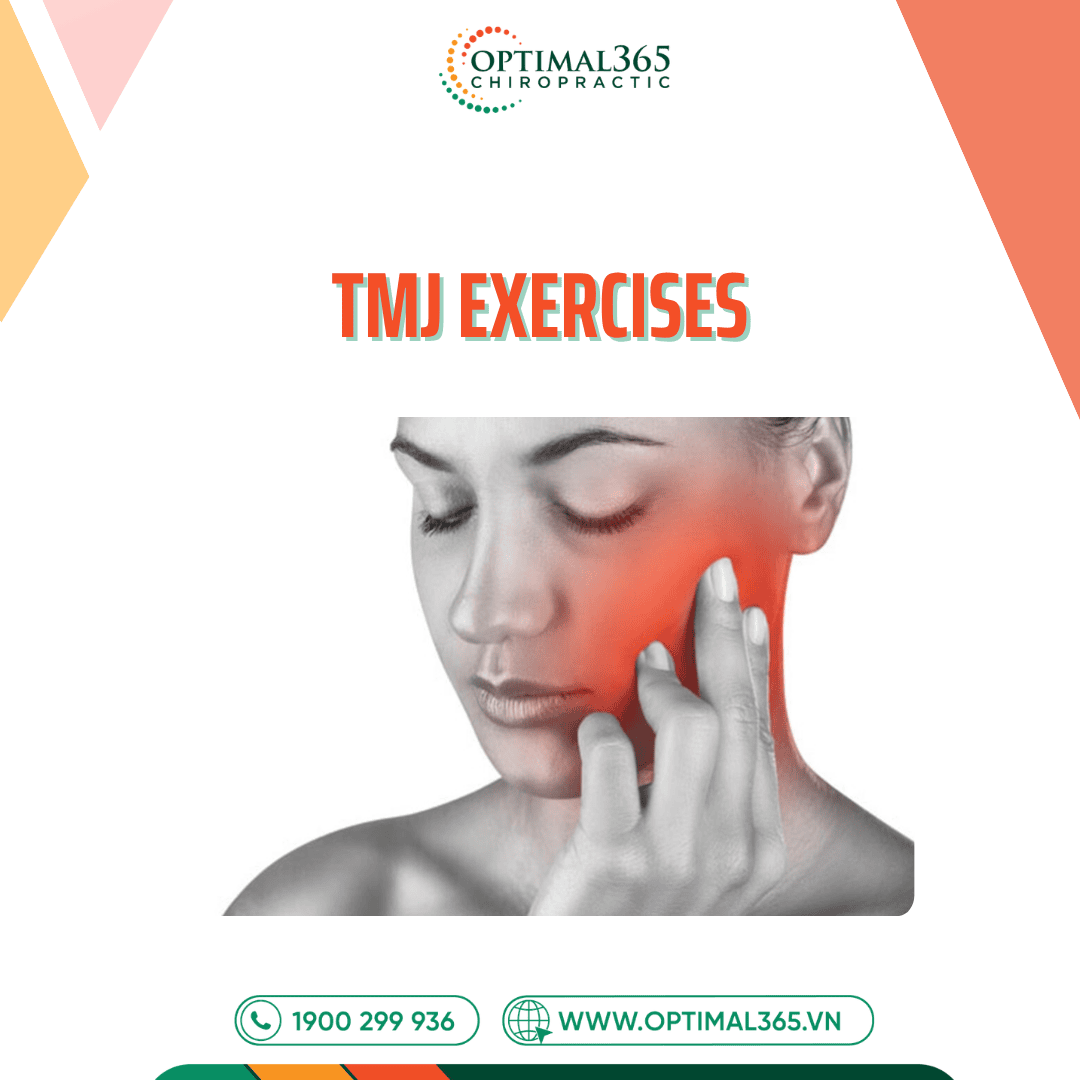
Temporomandibular Joint (TMJ) disorder is a condition that causes pain, difficulty in opening the mouth, chewing, and communicating, directly affecting quality of life. According to orthopedic experts, performing proper TMJ exercises not only relieves pressure on the jaw area but also supports the natural recovery of the joint structure.
What is TMJ Disorder?
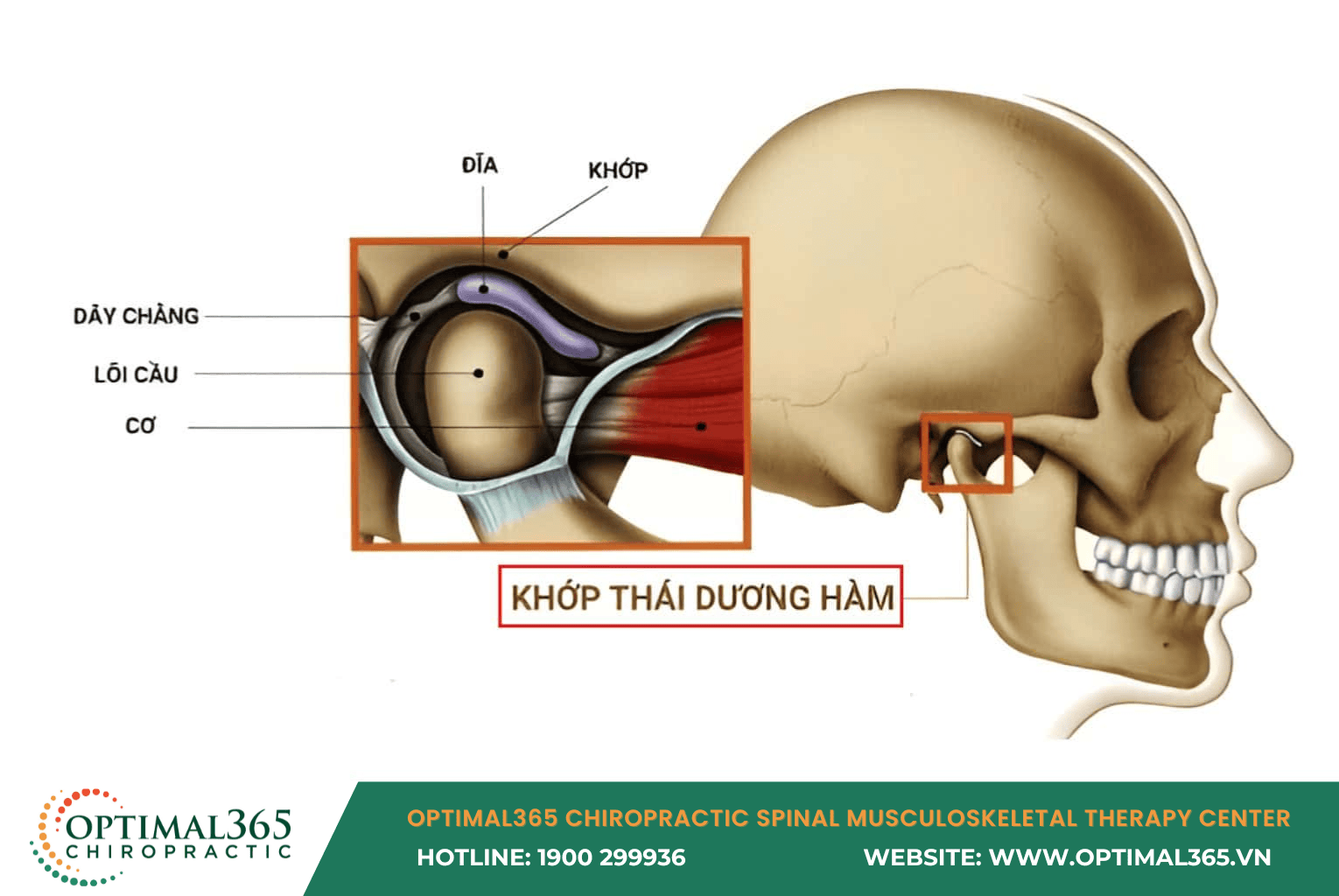
TMJ Disorders is a term used to describe problems related to the jaw joint and the muscle groups that control chewing. This joint acts like a sliding hinge, connecting the lower jawbone to the temporal bone of the skull. When this joint malfunctions, patients often experience symptoms such as ear pain, facial pain, “clicking” sounds when opening the mouth, or even a locked jaw.
The causes of this condition are diverse, ranging from teeth grinding habits and excessive stress leading to muscle spasms to physical injuries or misalignments in the cervical spine structure.
Benefits of TMJ Exercises
Functional rehabilitation exercises for the jaw joint are designed to achieve the following goals:
- Strengthen jaw muscle groups: Help the joint operate stably and reduce the load on the disc.
- Relax contracted muscles: Especially helpful for those with pain due to stress or teeth grinding.
- Improve range of motion: Allow patients to open their mouths naturally without pain or locking.
- Enhance blood circulation: Support the healing process of soft tissues and ligaments around the jaw joint.
4 Effective At-Home TMJ Exercises
Below are the exercises recommended by doctors at Optimal365 Chiropractic and international medical organizations. Perform them slowly and stop if you feel sharp pain.
Relaxed Jaw Exercise
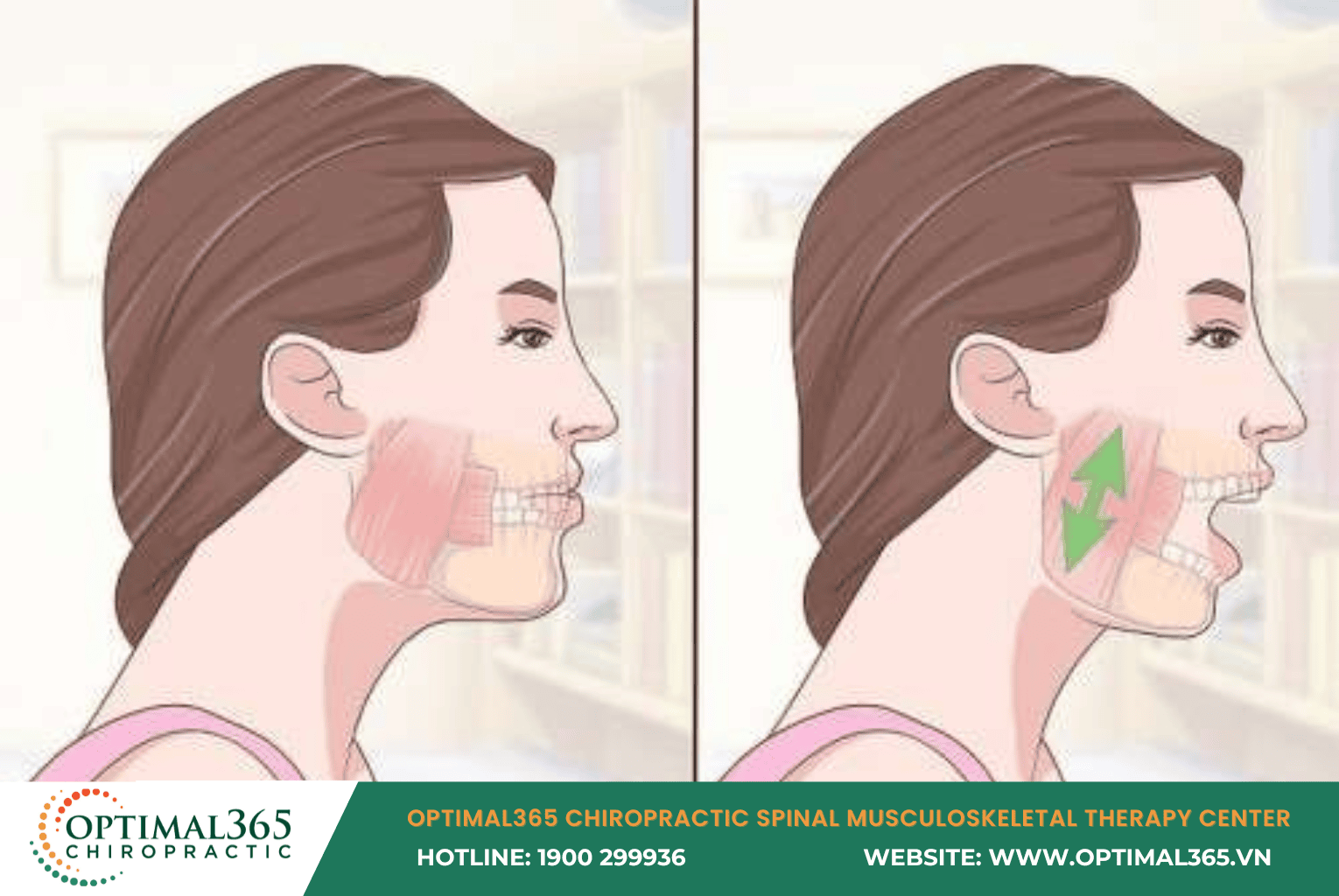
This is a crucial starting step to reduce tension in the entire face. How to do: Gently place your tongue on the roof of your mouth, right behind your upper front teeth. Let your upper and lower teeth drift apart. Relax your jaw muscles and hold this position for 1-2 minutes.
Partial Goldfish Exercise
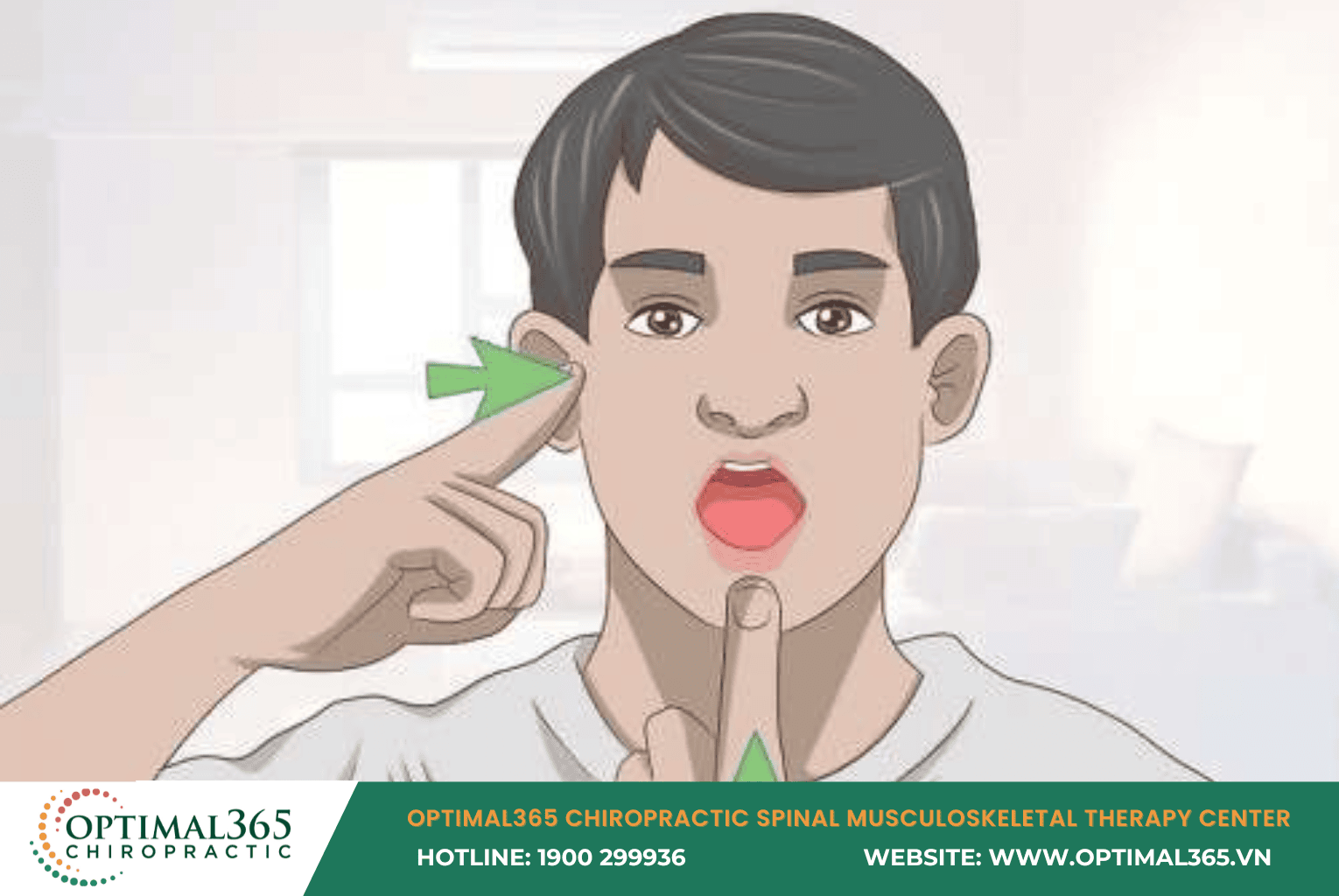
Focuses on controlling the jaw joint’s movement trajectory. How to do: Place one index finger on the TMJ (in front of the ear) and the other index finger on your chin. Open your mouth halfway and then close it. Use your fingers to feel the rhythmic movement and ensure the jaw does not deviate to one side. Repeat 6 times per set, 6 sets per day.
Chin Tucks
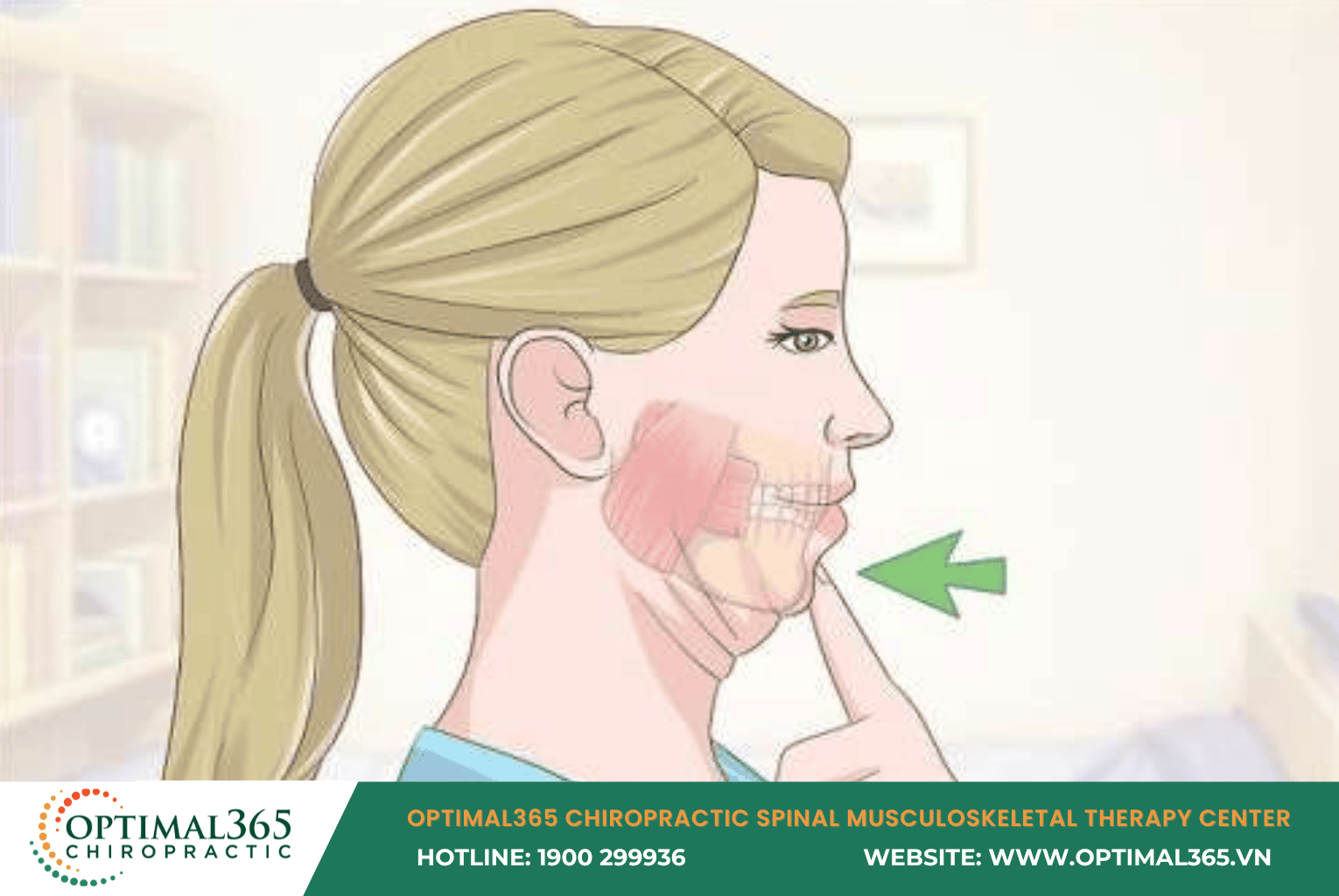
Cervical spine health is closely linked to the jaw joint. This exercise improves head posture and reduces pressure on jaw muscles. How to do: Stand tall, chest out, shoulders back. Tuck your chin straight back to create a “double chin,” hold for 3 seconds. Ensure you do not tilt your head down but only move it horizontally backward. Repeat 10 times.
Side-to-Side Mandibular Movement
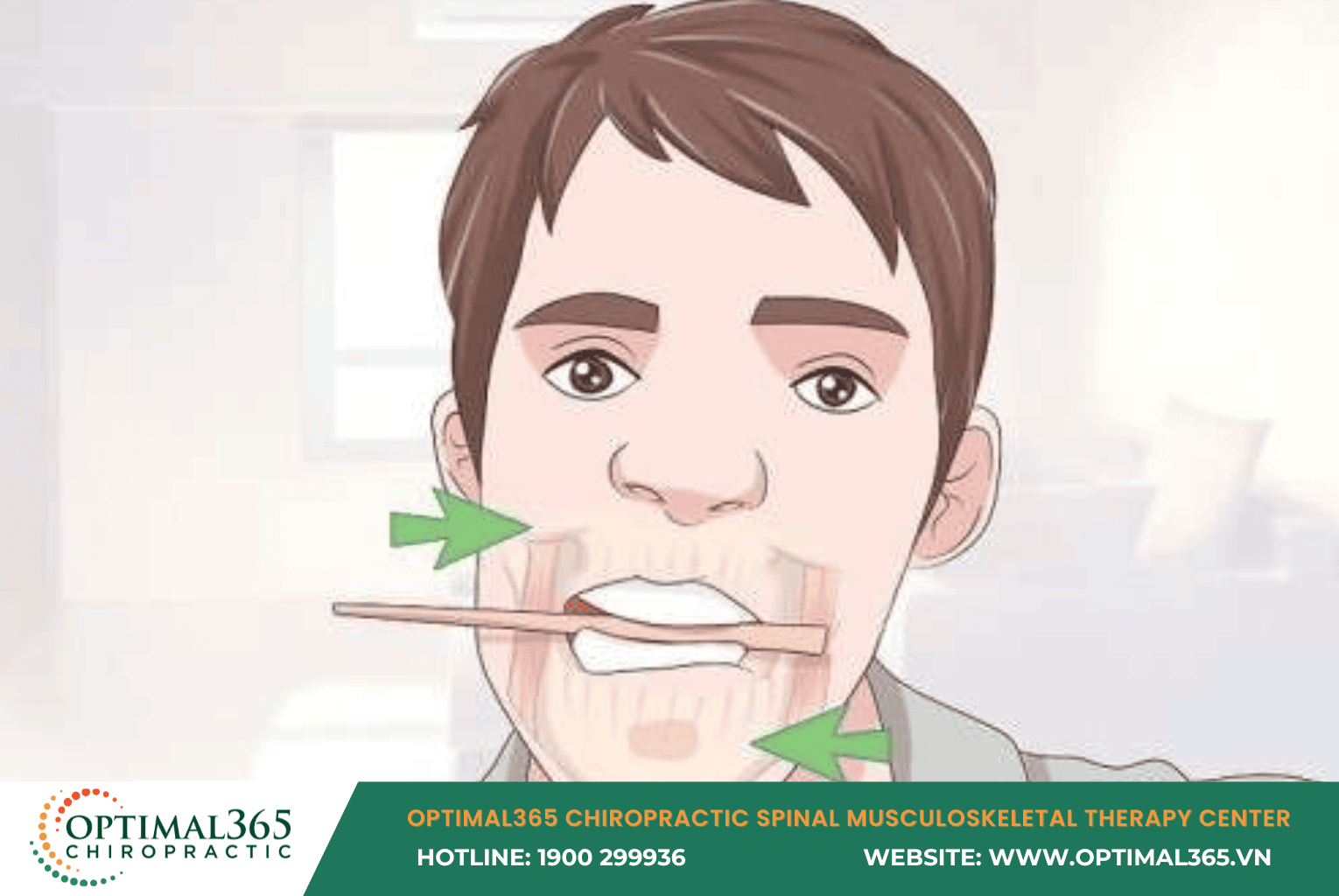
Improves joint flexibility during rotational movements. How to do: Place a small object (like a tongue depressor or a clean pen) between your front teeth. Slowly move your jaw from side to side gently. Once accustomed, you can gradually increase the thickness of the object.
Important Training Precautions
To achieve the best results and avoid further injury, patients should follow these principles:
– Consistency over intensity: Do not force your mouth open too wide if you feel pain. Persistence is more important than force.
– Heat or cold therapy: Before exercising, apply heat to the jaw area to soften muscles. After exercising, if you feel slight soreness, apply cold to reduce inflammation.
– Avoid bad habits: Limit chewing gum, biting nails, or eating excessively hard foods during treatment.
– Maintain correct posture: For office workers, sitting correctly in front of a computer reduces stress on neck and jaw muscles, supporting faster recovery.
Expert References
The jaw muscle retraining methods from St. Augustine Rehabilitation Health (USA) aim for natural and sustainable pain relief. Additionally, behavioral management guidelines and flexibility exercises from Oxford University Hospitals (NHS Foundation Trust) are integrated to help patients protect their jaw joints in daily life. Specifically, the protocol applies research from Melbourne ENT Group (Australia) to effectively handle referred pain in the ear and face caused by TMJ pressure.
Intensive TMJ Treatment Protocol at Optimal365 Chiropractic
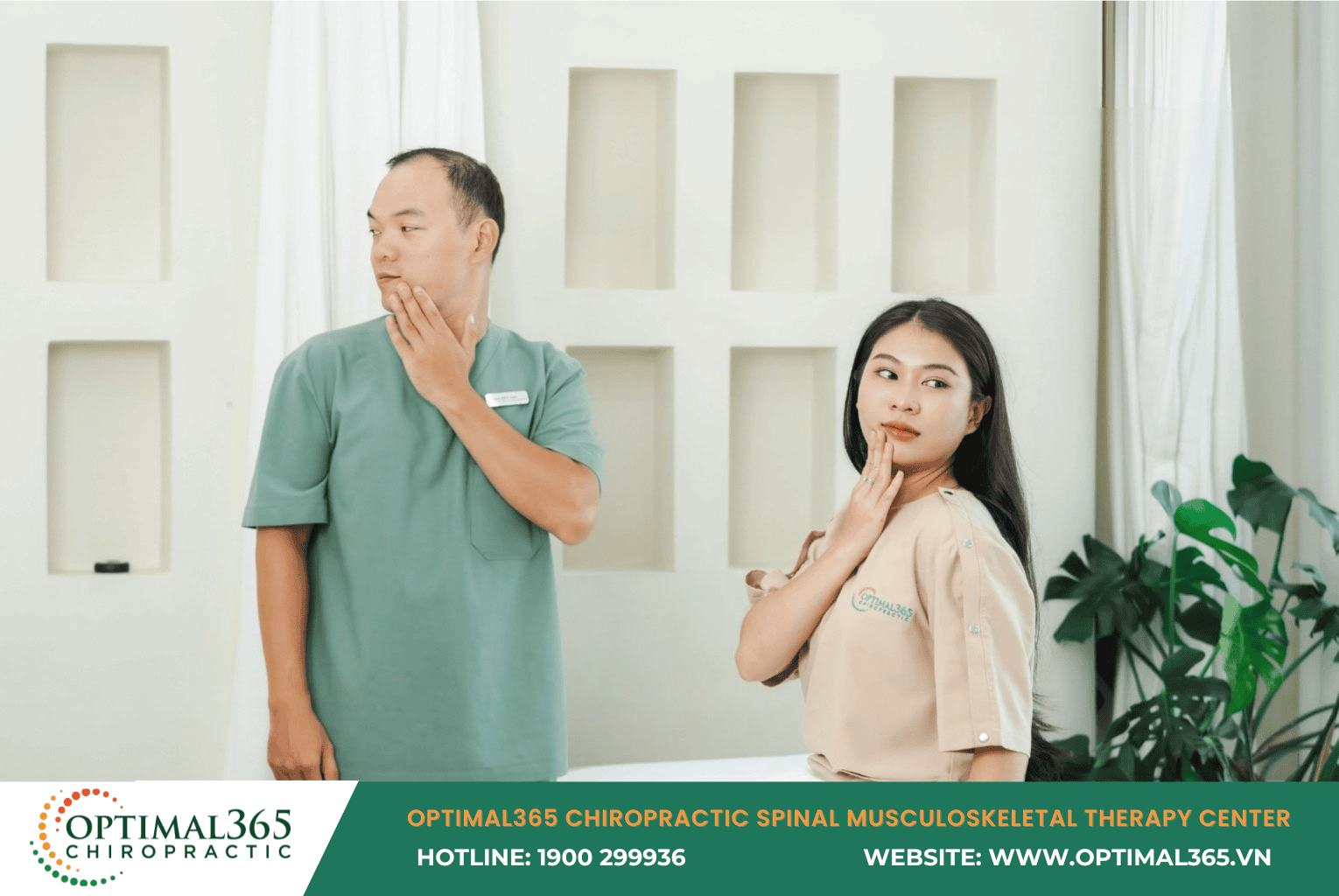
While at-home exercises are helpful, chronic TMJ cases or structural misalignments require an intensive medical protocol. At Optimal365 Chiropractic, we apply the “3 Nos” treatment method: No drugs – No injections – No surgery.
- Chiropractic Adjustment: Specialists perform adjustments on the cervical vertebrae and directly impact the jaw joint. Restoring the balance of the nervous and musculoskeletal systems relieves pressure on ligaments and moves the jaw disc back to its correct position.
- Deep Muscle Therapy: Technicians use specialized muscle therapy techniques to release trigger points in the chewing and neck muscles. This completely eliminates muscle spasms, which at-home exercises alone cannot achieve.
- High-Tech Treatment: We integrate the most modern medical equipment: High-Intensity Laser (penetrates deep into joint tissues to reduce inflammation and pain immediately) and Electrotherapy/DDS (relaxes deep muscle bundles and enhances blood circulation).
- Personalized Rehabilitation Exercises: At Optimal365, each patient is guided through specific TMJ exercises tailored to their actual injury level under the close supervision of professional technicians.
Conclusion
TMJ exercises are an indispensable part of the journey to finding comfort for the jaw and face. However, for optimal and safe results, you should perform them under expert guidance. If you are experiencing uncomfortable symptoms of TMJ disorder, do not let it persist and affect your life. Contact Optimal365 Chiropractic for a screening and consultation on a personalized treatment plan, helping you eat well, sleep soundly, and smile with confidence.