At Optimal365, we view the body as a living system that is constantly adapting to the signals it receives. The body does not hold on to life as isolated events. It adapts to repeated patterns. Every day, your tissues, joints, nerves, muscles, and bones respond to the loads, positions, movements, and stresses you place upon them. Over time, those repeated inputs become structure, function, and habit.
From Movement to Instruction: Why Repetition Matters
A single movement may create only a small impression. A repeated movement becomes instruction. This is how posture changes. This is how compensation patterns develop. This is how stiffness, asymmetry, weakness, restricted movement, and recurring pain can gradually become part of a person’s physical baseline.
How the Body Organises Around Repeated Signals
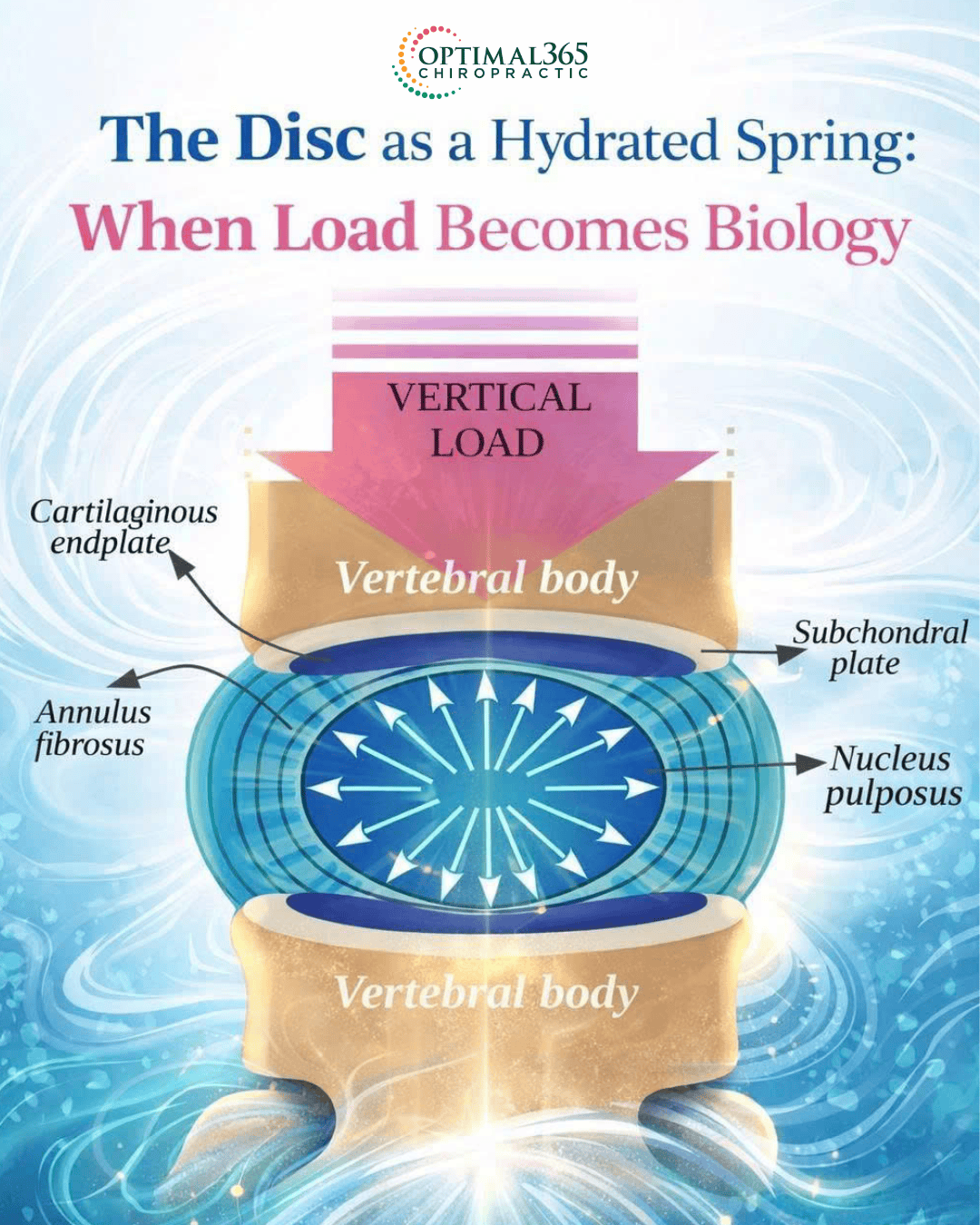
When the body experiences the same mechanical and neurological signals day after day, it begins to organise itself around them. Fibroblasts align collagen according to tension. Bone remodels in response to force. Muscles adapt to repeated demand. Neural pathways become more efficient in the patterns they practice most often. Joint function begins to reflect the ranges it lives in most consistently. In other words, the body becomes familiar with what it experiences most.
Why Dysfunction Eventually Feels Normal
A forward head posture, rounded shoulders, shallow breathing pattern, pelvic imbalance, altered gait, or protective muscle tension may begin as a response. Given enough repetition, that response can become the body’s preferred operating strategy. Eventually, it no longer feels unusual. It feels normal.
The Importance of Examination and Pattern Recognition
This is why examination and evaluation matter. At Optimal 365, our role is to identify the patterns your body has been repeating and understand how those patterns are shaping your current function. Through detailed physical examination, movement assessment, postural analysis, orthopaedic and neurological evaluation, and when appropriate imaging and blood work analysis, we look for the deeper organising strategies that are driving pain, dysfunction, injury, and chronic imbalance.
Looking Beyond Pain: Identifying Learned Patterns
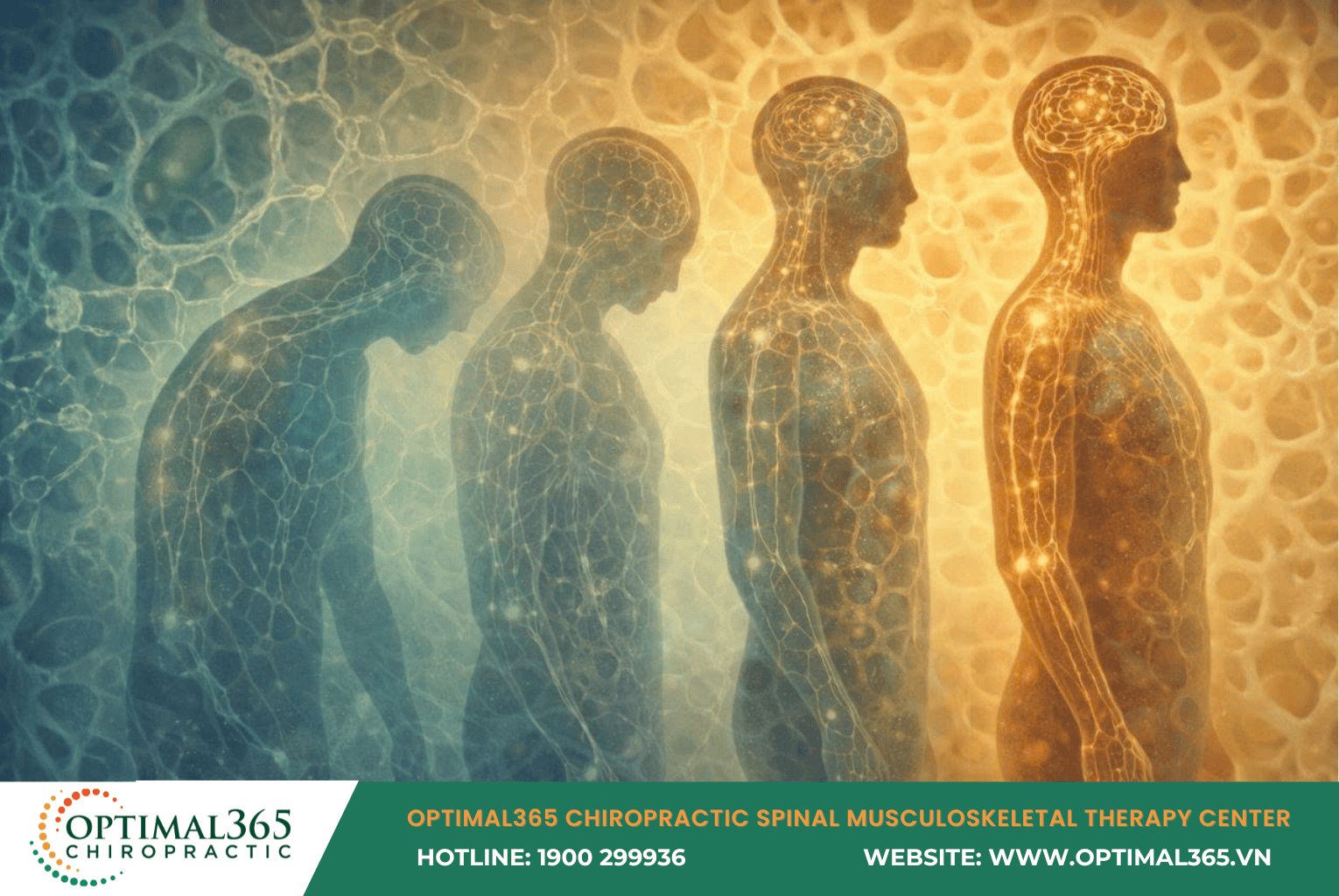
We do not simply ask, “Where does it hurt?” We ask, “What pattern has the body learned?” That distinction changes everything. Because once a pattern has been identified, treatment becomes far more than temporary relief. Treatment becomes the delivery of consistent, corrective signals that help the body reorganise itself.
Treatment as a Process of Delivering Corrective Signals
This is where chiropractic care, rehabilitation, soft tissue therapy, corrective exercise, breathing retraining, strength progression, and lifestyle intervention begin to work together. An adjustment may help restore joint motion. Rehabilitation helps teach the body how to use that motion well. Corrective exercise provides repeated input that improves coordination and stability. Soft tissue treatment helps reduce mechanical resistance. Breathing and nervous system regulation can shift the body out of protective holding patterns. Over time, these repeated signals influence nerve function, joint behaviour, muscular balance, and even the way force is distributed through bone and connective tissue.
How Consistent Inputs Reshape Function and Structure
Structure changes when signalling changes consistently enough. This principle also extends beyond musculoskeletal pain.
The Role of Internal Health and Systemic Factors
Many people present with chronic inflammation, fatigue, metabolic dysfunction, poor recovery, recurrent pain, or patterns of systemic stress that influence healing capacity. This is why we also assess chronic disease risk and internal health through blood work analysis when appropriate. Understanding markers related to inflammation, nutrient status, metabolic health, liver function, cardiovascular risk, hormonal balance, and recovery physiology helps us direct care more precisely.
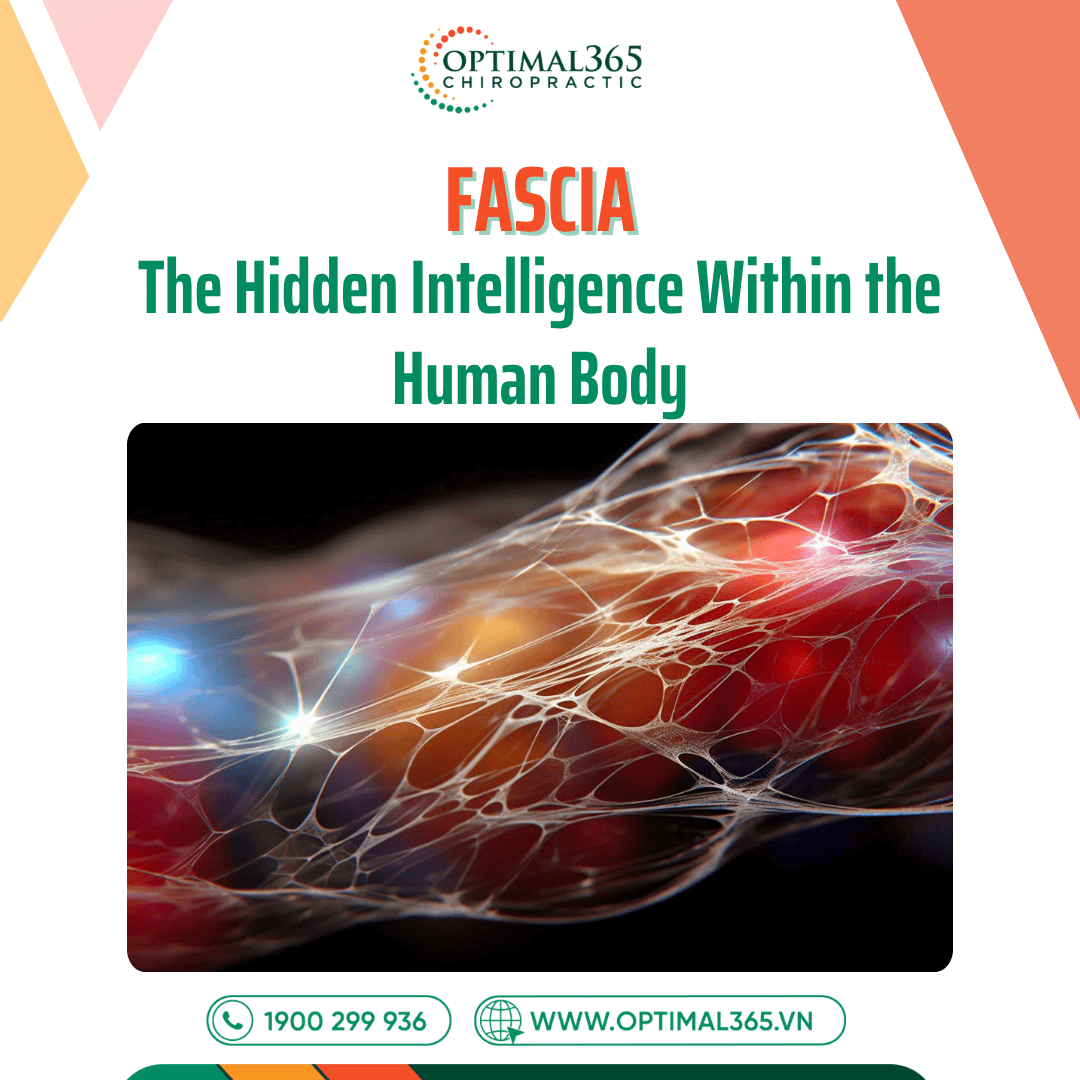
This principle connects closely with how fascia functions as the body’s hidden intelligence — adapting to repeated movement patterns and storing postural memory in connective tissue.
Personalised Care Based on Individual Patterns
For some patients, the primary intervention may centre on physical medicine and rehabilitation. For others, progress also depends on dietary change, nutritional support, lifestyle modification, load management, sleep restoration, and improved metabolic resilience. The goal is always the same: to understand the patterns shaping the person, and to deliver the right signals consistently enough for the body to reorganise toward a healthier expression.
One of the most impactful daily repetitions is your sleep position. Discover how choosing the right sleeping position can reinforce healthy spinal alignment night after night.
From Awareness to Change: The Body Repetition Recovery Process
One treatment can create awareness. Repeated treatment plus guided rehabilitation can create change. Consistent change, practiced over time, can become a new baseline. This is how the body heals. This is how function is restored. This is how long standing patterns begin to shift.
Conclusion: Body Repetition Can Become Recovery
At Optimal365, we believe lasting results emerge when care moves beyond symptom relief and begins to reshape the biological instructions the body is living by each day. Because the body learns what it repeats. And with the right examination, the right treatment, and the right rehabilitation strategy, repetition can become recovery.
To build movement habits that positively reshape your body’s patterns, consider these yoga poses that strengthen bones and joints — consistent practice is the foundation of lasting change.