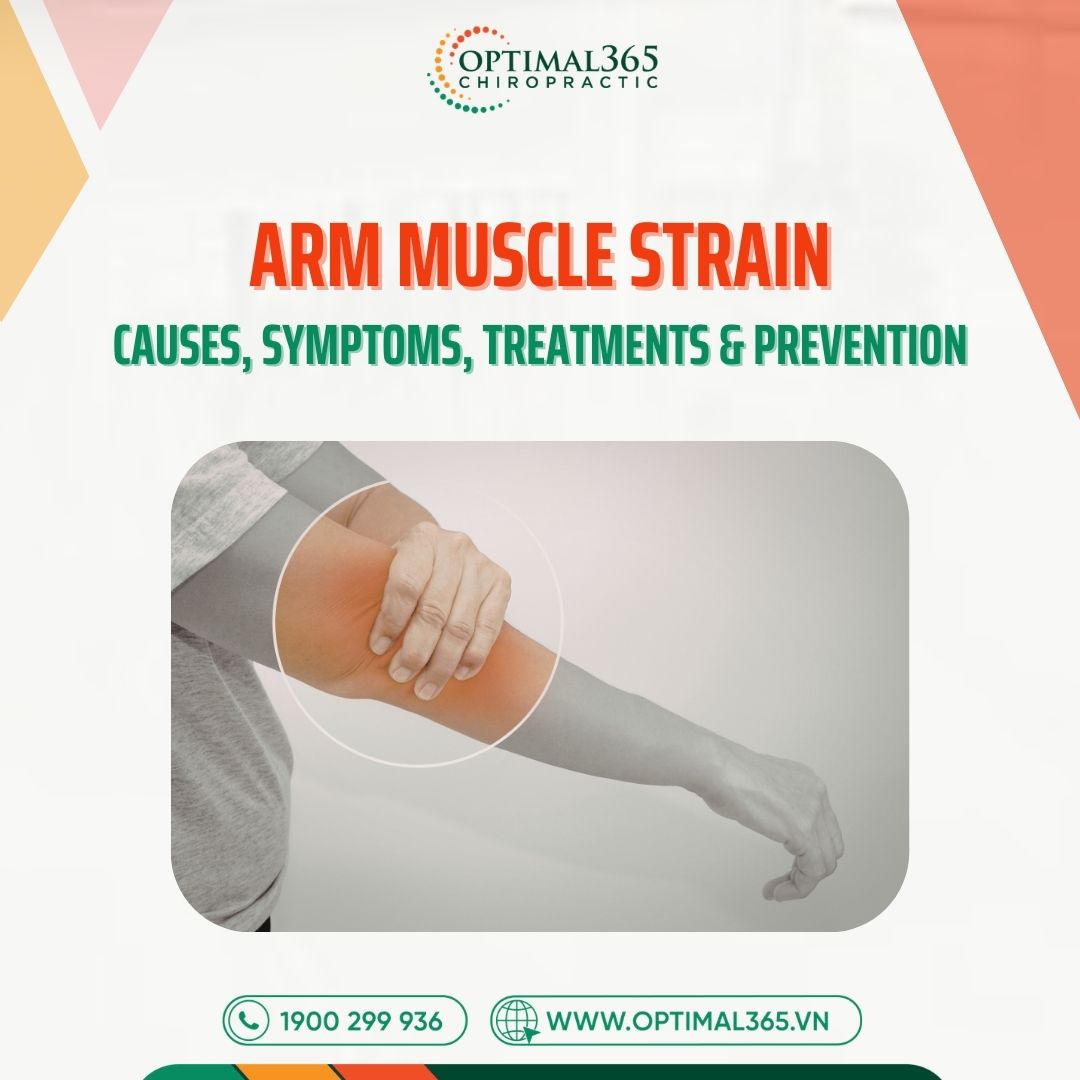
Do you experience aching pain when moving your shoulders, elbows, knees, or heels? That could be a sign of tendinitis—an increasingly common musculoskeletal condition in modern life. Although not life-threatening, tendinitis can severely affect your quality of life if not identified and managed promptly.
What is tendinitis?
Tendinitis (or tendonitis) is a medical condition involving the tendons, the tough, fibrous connective tissues that attach muscles to bones, enabling body movements. When a tendon becomes damaged (usually due to overuse, repetitive motion, or age-related degeneration), it triggers an inflammatory response.
This condition typically causes pain at the site of the tendon, accompanied by reduced mobility and sometimes mild swelling. Tendinitis can occur in many areas, with shoulder tendinitis being one of the most common causes of simple shoulder pain, especially among athletes or manual laborers.

Common causes of tendinitis
Tendinitis is the result of repetitive micro-traumas to the tendon, occurring when the tendon is subjected to excessive mechanical stress without adequate recovery time. Below are the most frequent causes leading to this condition:
Prolonged repetitive or excessive movement
This is the primary cause in the majority of tendinitis cases. The continuous use of a specific muscle and tendon group without proper rest creates accumulated micro-tears at the tendon’s insertion point. Activities such as typing, cutting meat, sewing, playing musical instruments, or sports like tennis, badminton, and golf can cause tendinitis if performed with improper technique or through overtraining. A typical example is lateral epicondylitis (also known as “tennis elbow”), which arises from overloading the wrist and finger extensor muscles.
Overstretching due to resistance movements
Certain movements that create antagonistic pulling forces on the tendon, especially when poorly controlled, can lead to abnormal stretching at the musculotendinous junction. Repeating these movements over an extended period increases the risk of tendinitis.
Repetitive mechanical trauma in work or daily activities
Many occupations and daily activities carry an inherent risk of tendinitis, particularly jobs requiring manual dexterity such as farming, hairdressing, teaching, homemaking, or performing surgeries. Movements like gripping, twisting, or rotating the wrists and fingers frequently cause repetitive damage to small tendons, especially in the wrists, fingers, or elbows.
Age-related tendon degeneration
Tendons are structures rich in collagen, but as we age, collagen quality deteriorates. In older adults—particularly those aged 50 and above—tendon fibers gradually become less elastic and more susceptible to injury from ordinary mechanical forces. This degenerative process reduces the tendon’s healing capacity while increasing the risk of inflammation.
Sudden injury
Some cases of tendinitis occur after a patient performs a sudden, forceful movement, such as lifting heavy objects or engaging in strenuous physical activity without prior warming up. This type of tendinitis is common among sedentary individuals or those who resume sports after a long period of inactivity.
Other risk factors
In addition to the aforementioned causes, tendinitis is more likely to develop in individuals with certain risk factors:
- A history of wrist or hand injuries.
- Patients with chronic musculoskeletal conditions such as rheumatoid arthritis or osteoarthritis.
- Pregnant or breastfeeding women, due to the influence of hormonal changes and connective tissue alterations.
In summary, tendinitis is the consequence of mechanical overload on the tendon when its structure lacks the capacity to repair itself. Early recognition of the causes helps patients become more proactive in preventing and effectively treating this condition.
Common symptoms of tendinitis
The most prominent and frequent symptom of tendinitis is pain at the affected tendon; however, the severity and characteristics of the pain can vary depending on the inflammation’s location and the extent of the damage. Additionally, patients may experience limited mobility, mild swelling, or joint stiffness. Specifically:
Pain at the inflamed tendon
This is the primary symptom, usually appearing during movement, but it can sometimes occur even at rest—especially during the acute inflammatory phase.
- The pain may be dull or severe, tending to worsen when the patient performs movements involving the affected tendon.
- In some cases, the pain intensifies at night, disrupting sleep (e.g., supraspinatus tendinitis in the shoulder).
- The pain is usually localized at the tendon’s insertion point but can radiate to adjacent areas. For example, lateral epicondylitis causes elbow pain that radiates down the outer forearm or wrist.
- When pressing on the inflamed tendon, patients often feel a characteristic sharp, localized pain.
Limited mobility
Pain and inflammation can impair the function of the joint associated with the tendon. Patients may find it difficult to perform normal movements such as lifting their arms, extending their wrists, gripping, or walking.
For example:
- Supraspinatus tendinitis limits shoulder joint movement, especially when raising the arm high or rotating the shoulder.
- Elbow tendinitis can reduce the ability to grip or extend the wrist.
Stiffness
A feeling of stiffness or difficulty moving often occurs in the morning or after a period of inactivity (such as after waking up or sitting for a long time). This is a manifestation of inflammation and reflex muscle spasms around the joint.
Localized mild swelling
In some cases, patients may notice the area around the inflamed tendon is slightly swollen, warm, and tender to the touch. In instances of tendinitis associated with microcrystalline arthritis, the swelling may spread and become more pronounced.
Other symptoms
Depending on the specific condition or the cause of the tendinitis, patients may also experience:
- A sensation of numbness or radiating discomfort in the muscles and skin surrounding the injured area.
- In the case of a tendon rupture (e.g., a rotator cuff tear), a “snap” or “pop” sound may be heard when the tendon tears, followed by bruising after a few days and the loss of ability to perform certain active movements.
Common locations of tendinitis
Tendinitis can occur anywhere in the body, but some frequently affected areas include:
- Shoulder: Supraspinatus tendinitis or rotator cuff tendinitis.
- Elbow: Lateral epicondylitis (tennis elbow) and medial epicondylitis (golfer’s elbow).
- Wrist and hand: De Quervain’s tenosynovitis, trigger finger (stenosing tenosynovitis).
- Heel: Achilles tendinitis.
- Knee: Patellar tendinitis or quadriceps tendinitis.
Is tendinitis dangerous?
Although tendinitis is a common condition and not directly life-threatening, failing to diagnose and treat it promptly can lead to concerning complications that severely affect the patient’s motor function and quality of life. Below are the potential risks of tendinitis:
Persistent pain transitioning to a chronic state
If tendon inflammation is not controlled early and effectively, the pain can persist for weeks or even months. Chronic pain not only reduces mobility but also causes prolonged discomfort, negatively impacting the patient’s mental health and daily activities.
Limited mobility in the affected joint
Due to pain, patients tend to avoid using the inflamed joint to prevent discomfort. However, if this avoidance persists, it can lead to a decreased range of motion, muscle atrophy around the joint, and joint stiffness. For instance, in shoulder tendinitis, a patient may struggle to raise their arm, rotate their shoulder, or perform simple daily tasks like getting dressed or combing their hair.
Progression to more complex conditions
- Frozen shoulder (Adhesive capsulitis): If left untreated, tendinitis around the shoulder can progress into frozen shoulder, characterized by the contracture of the joint capsule and severe restriction of shoulder mobility.
- Tendon rupture: Prolonged inflammation weakens the tendon structure, increasing the risk of a rupture. For example, in rotator cuff or biceps tendinitis, the tendon can tear or rupture completely, resulting in a total loss of active joint movement (pseudoparalysis of the shoulder).
Difficulty in daily activities and work
Pain and restricted movement caused by tendinitis can disrupt daily activities such as gripping, walking, doing household chores, playing sports, or performing professional work. This impacts the ability to work, labor productivity, and participation in social activities.
Potential need for surgical intervention
In some cases, tendinitis does not respond to conventional medical treatments and physical therapy. In such instances, surgical intervention (e.g., arthroscopic surgery or tendon reconstruction) may be indicated to restore function. A prime example is chronic tennis elbow that fails to improve after conservative treatment.
Association with other musculoskeletal disorders
Tendinitis is sometimes not an isolated condition but an accompanying manifestation of chronic diseases such as rheumatoid arthritis, osteoarthritis, or metabolic disorders. In these cases, improperly treated tendinitis can exacerbate the patient’s overall condition, making comprehensive disease management more difficult.
Current effective treatments for tendinitis
Tendinitis treatment must be personalized based on the extent of the damage, the location of the inflamed tendon, and the stage of the disease. The goals of treatment are to relieve pain, control inflammation, and restore motor function for the patient. Below are the commonly utilized treatment methods today:
Rest and avoidance of pain-inducing movements
This is the crucial first step in treating tendinitis. Patients need to limit or temporarily suspend activities that increase stress on the injured tendon, such as raising the arms too high (in shoulder tendinitis), continuously moving the wrists (in wrist tendinitis), or playing sports that frequently utilize the hands. Proper rest reduces inflammation and allows the tendon to heal naturally.
Localized cold compress
During the acute phase, patients can apply ice to the inflamed tendon area for 15-20 minutes at a time, several times a day. This therapy helps reduce swelling, pain, and the burning sensation caused by inflammation.
Use of pain relievers and anti-inflammatory medications
- Over-the-counter pain relievers like paracetamol can be used for mild to moderate pain.
- Nonsteroidal anti-inflammatory drugs (NSAIDs) such as ibuprofen or naproxen effectively reduce both pain and inflammation. However, they should be used cautiously over the long term due to the risk of side effects on the stomach, liver, or kidneys.
- In severe cases or those unresponsive to initial treatments, doctors may prescribe corticosteroid injections into the joint or around the tendon. These injections are typically performed under ultrasound guidance to ensure maximum accuracy and efficacy.
Physical therapy and rehabilitation
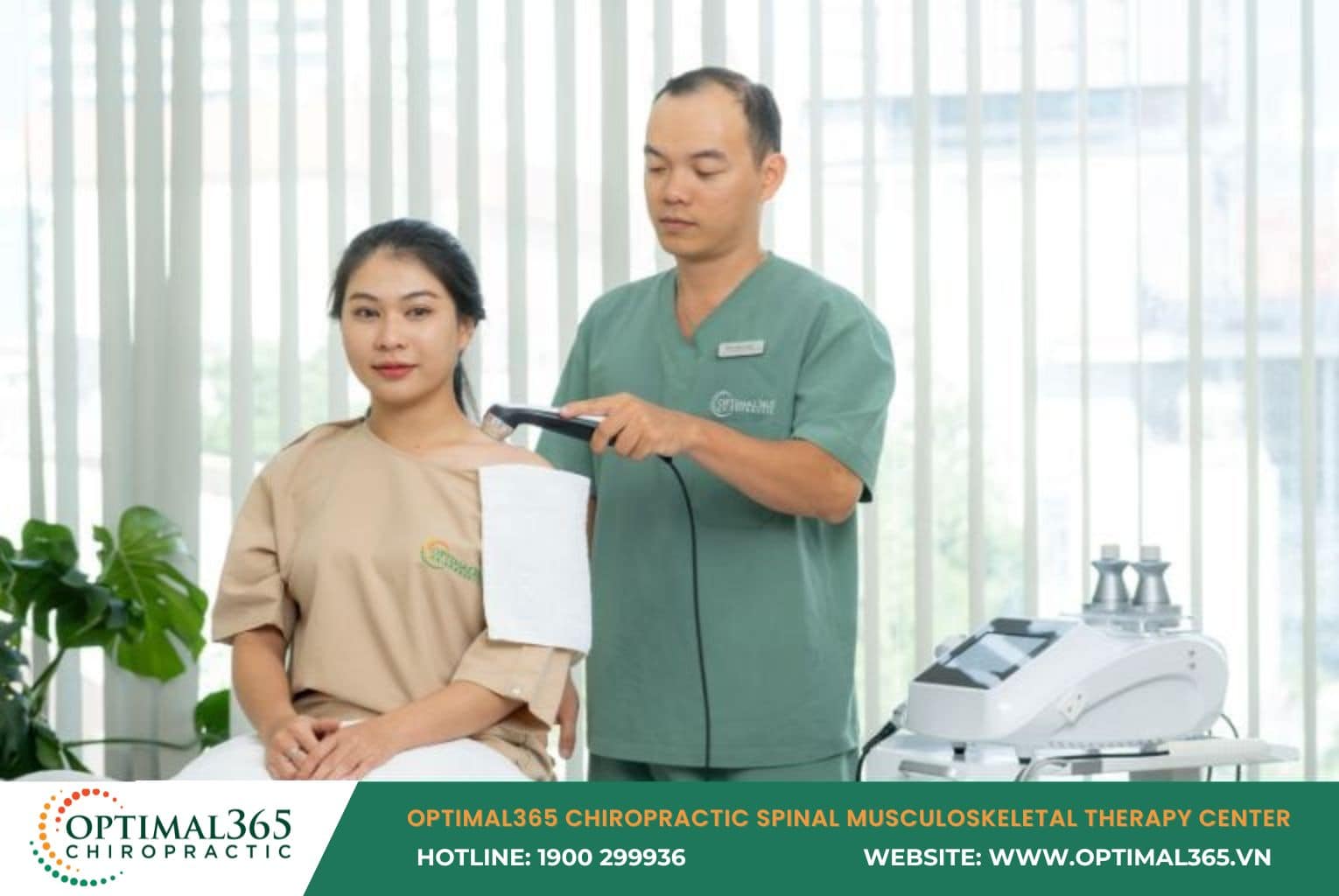
Physical therapy plays a vital role in both symptom management and post-tendinitis recovery. Common methods include:
- Pain relief using therapeutic ultrasound, electrical stimulation, and low-level laser therapy.
- Gentle stretching and joint mobility exercises to maintain or restore the range of motion, which is particularly important in shoulder tendinitis.
- Strengthening the muscles surrounding the injured tendon to provide support and offload stress from the tendon.
- Instructing patients on proper home exercises to maintain long-term treatment benefits.
Supportive devices
In certain situations, doctors may recommend using specialized braces, splints, or compression bandages to immobilize and relieve pressure on the inflamed tendon area. This is a helpful supportive measure during the acute inflammatory phase or following an interventional treatment.
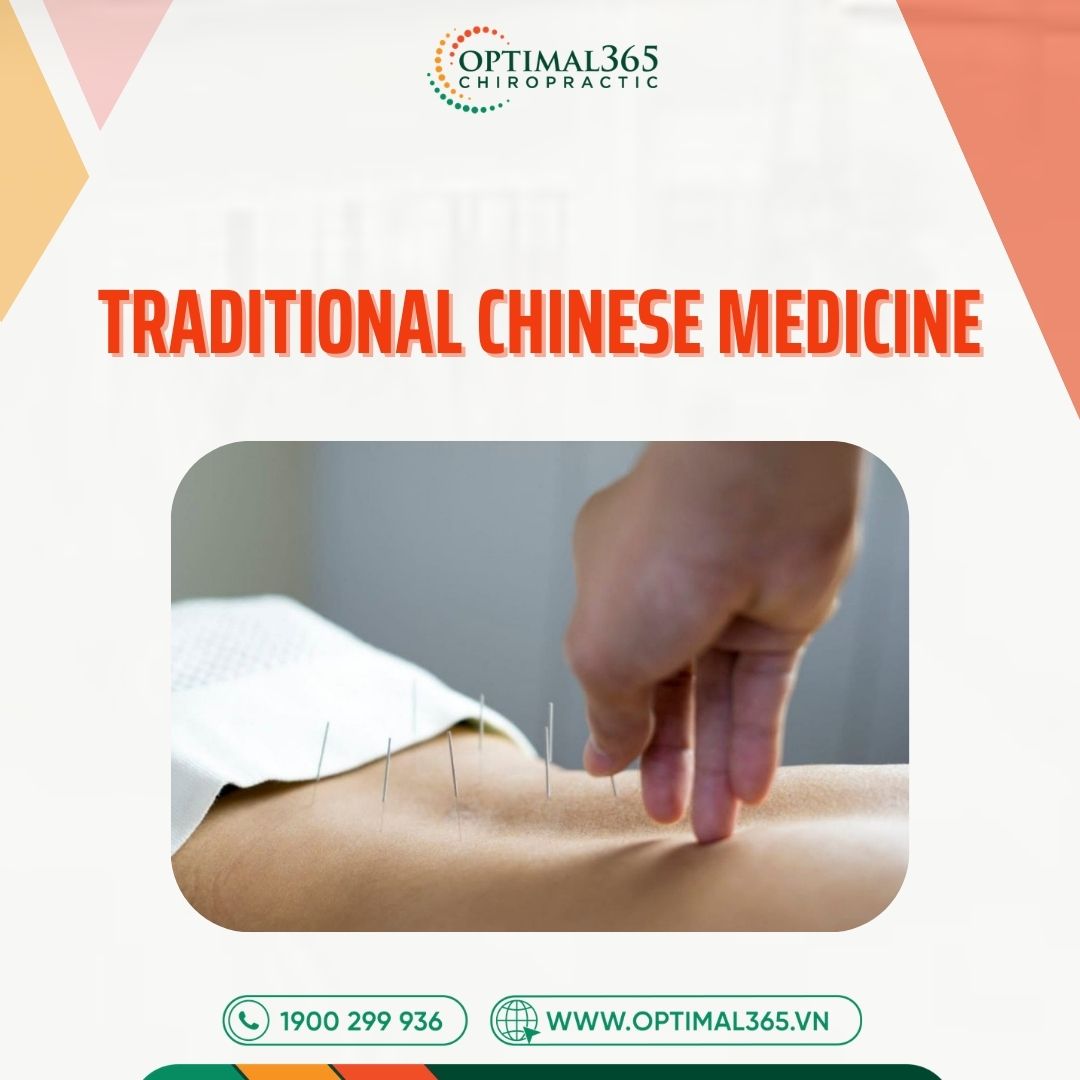
Traditional Medicine
Several traditional medicine techniques can be combined with modern treatments, yielding positive results in pain relief and mobility improvement, including:
- Acupuncture at specific points around the inflamed area.
- Massage and acupressure to relax muscles and enhance blood circulation.
- Warm acupuncture (moxibustion) combined with movement therapy to restore joint range of motion.
Ultrasound-guided interventions
Besides its diagnostic role, ultrasound is used to guide interventions like injecting medication precisely into the damaged site. This technique significantly improves accuracy, especially for injections around the shoulder or elbow tendons.
Surgery (when necessary)
Surgery is only indicated when conservative treatments (rest, medication, physical therapy) fail over a prolonged period, or when there is severe tendon damage such as a tear, complete rupture, or chronic tendon compression. Surgical interventions may include excising inflamed tissue, suturing and reconstructing the tendon, or releasing compression via arthroscopy.
Lifestyle and physical activity adjustments
Alongside medical treatments, patients must adjust their daily activities to prevent tendinitis recurrence:
- Modify working posture and take breaks during heavy manual labor.
- Warm up thoroughly before playing sports.
- Exercise regularly at an intensity suitable for one’s health and age.
- Avoid carrying heavy loads or performing movements with improper technique.
Important note: Patients should not self-medicate or attempt home treatments without professional consultation. Tendinitis treatment should be monitored and guided by a musculoskeletal specialist or a rehabilitation physician to ensure effectiveness and avoid complications.
Effective ways to prevent tendinitis
Tendinitis is entirely preventable if individuals are aware of the risk factors and proactively adjust their daily habits, work routines, and lifestyles. Below are the recommended prevention measures:
Avoid excessive repetitive activities
Continuously performing movements such as gripping, grasping, rotating, or twisting the wrists, elbows, or shoulders over long periods is a common cause of micro-trauma to the tendons. Individuals with jobs requiring frequent hand movements—such as farmers, teachers, surgeons, hairdressers, and homemakers—should schedule short breaks between tasks to allow their tendons to relax and recover.
Avoid improper postures or overreaching
Reaching too high overhead, over-abducting the arms, or bending and twisting with improper posture during work all increase the risk of tendon injury, especially in the shoulder, wrist, and elbow areas. Pay attention to performing activities with correct techniques, staying within your natural range of motion, and avoiding sustained poor postures.
Limit sudden and forceful impacts on the musculotendinous unit
Scenarios such as carrying heavy objects, pushing/pulling improperly, or lifting weights—especially without a proper warm-up—can cause immediate tendon injury. To prevent this, workers should be trained in proper lifting techniques and should gradually increase their workload intensity to allow the body to adapt.
Adjust work and daily habits appropriately
Individuals performing repetitive manual tasks should receive ergonomics training (proper working posture techniques) and redesign their workspace to minimize tendon stress. Additionally, alternating between different types of tasks can help prevent tendon overload.
Maintain proper posture in daily life and work
Keeping the spine properly aligned, especially when sitting for long periods or doing desk work, can help reduce stress on surrounding muscle and tendon groups. Avoid slouching, leaning to one side, or sitting with uneven shoulders. For those who sit for extended periods, take short breaks for light movement every 45–60 minutes.
Enhance physical fitness and maintain overall health
A healthy body with a flexible, strong musculoskeletal system is better equipped to resist injury-causing agents. Regular physical exercise, combined with a nutritious diet, helps improve stamina and the regenerative capacity of the musculoskeletal system.
Avoid prolonged work in damp environments
Cold, damp environments can increase the risk of musculoskeletal conditions, including tendinitis, by affecting blood circulation and soft tissue function. Individuals working in such environments should be equipped with adequate protective gear, keep warm, and have appropriate rest schedules.
What to eat and avoid for tendinitis?

Although there are currently no specific nutritional guidelines exclusively for tendinitis patients, numerous studies suggest that a balanced, nutrient-rich diet can effectively support tissue repair, reduce inflammation, and maintain musculoskeletal health. Proper nutrition is especially critical for individuals undergoing treatment or at risk of prolonged tendinitis.
Foods to include
Foods rich in Omega-3
Omega-3 is a fatty acid with natural anti-inflammatory properties. Supplementing omega-3 can help reduce the inflammatory response in tendons and support the healing of damaged tissues.
Typical food sources:
- Fatty fish such as salmon, mackerel, and sardines.
- Chia seeds, flaxseeds, and walnuts.
High-quality protein
Protein is an essential component for tissue regeneration, including both tendons and muscles. Consuming adequate protein accelerates the body’s recovery after tendon injuries.
Recommended protein sources:
- Lean meats, eggs, milk, and fish.
- Legumes, nuts, and soy products.
Foods rich in Vitamin C and collagen
Vitamin C plays a crucial role in promoting the synthesis of collagen, a key structural component of tendons. Adequate Vitamin C intake contributes to the repair of damaged tendon fibers.
Recommended foods:
- Oranges, lemons, strawberries, and kiwis.
- Bone broth, fish skin, and chicken feet (natural sources of collagen).
Leafy greens and antioxidant-rich foods
Dark leafy greens and colorful fruits and vegetables are packed with vitamins (A, E, K) and antioxidants like flavonoids and polyphenols. These help reduce oxidative stress and provide effective anti-inflammatory support.
Suggestions: Spinach, broccoli, carrots, beets, and pumpkins.
Foods rich in zinc and magnesium
These two minerals play a vital role in biochemical reactions related to tissue repair and inflammation reduction.
Suggestions: Pumpkin seeds, sunflower seeds, sesame seeds, whole grains, and spinach.
Drink plenty of water
Maintaining adequate hydration throughout the day improves blood circulation, aids in transporting nutrients to the inflamed tendon area, and helps flush toxins from the body.
Foods to limit or avoid

Fried and greasy foods:
Foods high in saturated fats and trans fats can elevate the body’s inflammatory response, slowing down the healing process.
Refined sugars and sugary foods:
Excessive sugar consumption is linked to increased systemic inflammation. Sweets, sugary sodas, and fast food should be limited.
Alcohol and stimulants:
Alcohol, beer, and tobacco not only impair the body’s natural anti-inflammatory capabilities but can also hinder tissue healing and tendon regeneration.
Note:
A healthy diet is just one part of a comprehensive tendinitis treatment plan. Patients should combine proper nutrition with rest, medical treatment, and physical therapy as guided by their doctor. In the presence of underlying health conditions or if specialized dietary advice is needed, consulting a specialist or nutritionist is recommended.
When to see a doctor for tendinitis?
Tendinitis is a condition that can improve with proper rest and care. However, in certain situations, patients should proactively seek medical evaluation and specialized treatment to prevent more serious complications. Below are scenarios where seeing a specialist is necessary:
Severe, sudden, and radiating pain
If you experience unexpected, excruciating pain that is continuous, disrupts sleep, and tends to radiate from the tendon to surrounding areas, it could be a sign of another condition, such as microcrystalline arthritis or severe tendon damage. Pain accompanied by a “popping” sound during movement or following high-impact trauma may indicate a tendon rupture, requiring immediate medical intervention.
Persistent pain that does not subside after days or weeks
In most mild tendinitis cases, measures like resting, applying ice, and taking over-the-counter pain relievers can alleviate symptoms. However, if the pain does not improve or frequently recurs after a period of home treatment, you should see a doctor for a professional assessment and a more targeted treatment plan.
Noticeable restriction of movement in the affected joint
If you notice a significant decrease in the mobility of your shoulder, elbow, wrist, or knee—whether moving it yourself or with someone else’s assistance—this may signal more severe conditions such as a frozen joint or deep tendon injury. Pay special attention if actions like abducting the arm, externally rotating the shoulder, or gripping become noticeably weaker.
Appearance of widespread or systemic inflammatory symptoms
When the inflamed tendon area shows signs of significant swelling, heat, or redness, or if you experience a fever and fatigue, you need to be evaluated to rule out serious conditions such as septic arthritis or systemic inflammatory diseases.
Unresponsiveness to conservative treatments
If you have tried home remedies such as rest, simple physical therapy, cold compresses, and pain medications without substantial progress, your doctor may recommend more advanced interventions, including localized injections, medical device therapies, or combining traditional medicine.
Suspicion of severe injury like a tendon rupture
A forceful sports injury, extreme physical exertion, or a tearing sensation in the tendon followed by bruising after a few days may indicate a torn or ruptured tendon. In these cases, early diagnostic imaging and medical intervention are crucial to avoid long-term loss of motor function.
Conclusion
Tendinitis is a common musculoskeletal condition that can severely impact your quality of life if not detected and managed correctly. However, with early diagnosis and appropriate treatment, the vast majority of tendinitis cases can improve significantly, leading to a full recovery of motor function.
Do not ignore dull, aching pain or discomfort during movement, as these could be warning signals of silently progressing tendon damage. At Optimal365 Chiropractic, we provide in-depth diagnostic and therapeutic services for musculotendinous conditions, helping you relieve pain safely, naturally, and without the use of medication.
Let our team of experts accompany you on your journey to restore mobility and enhance your quality of life.