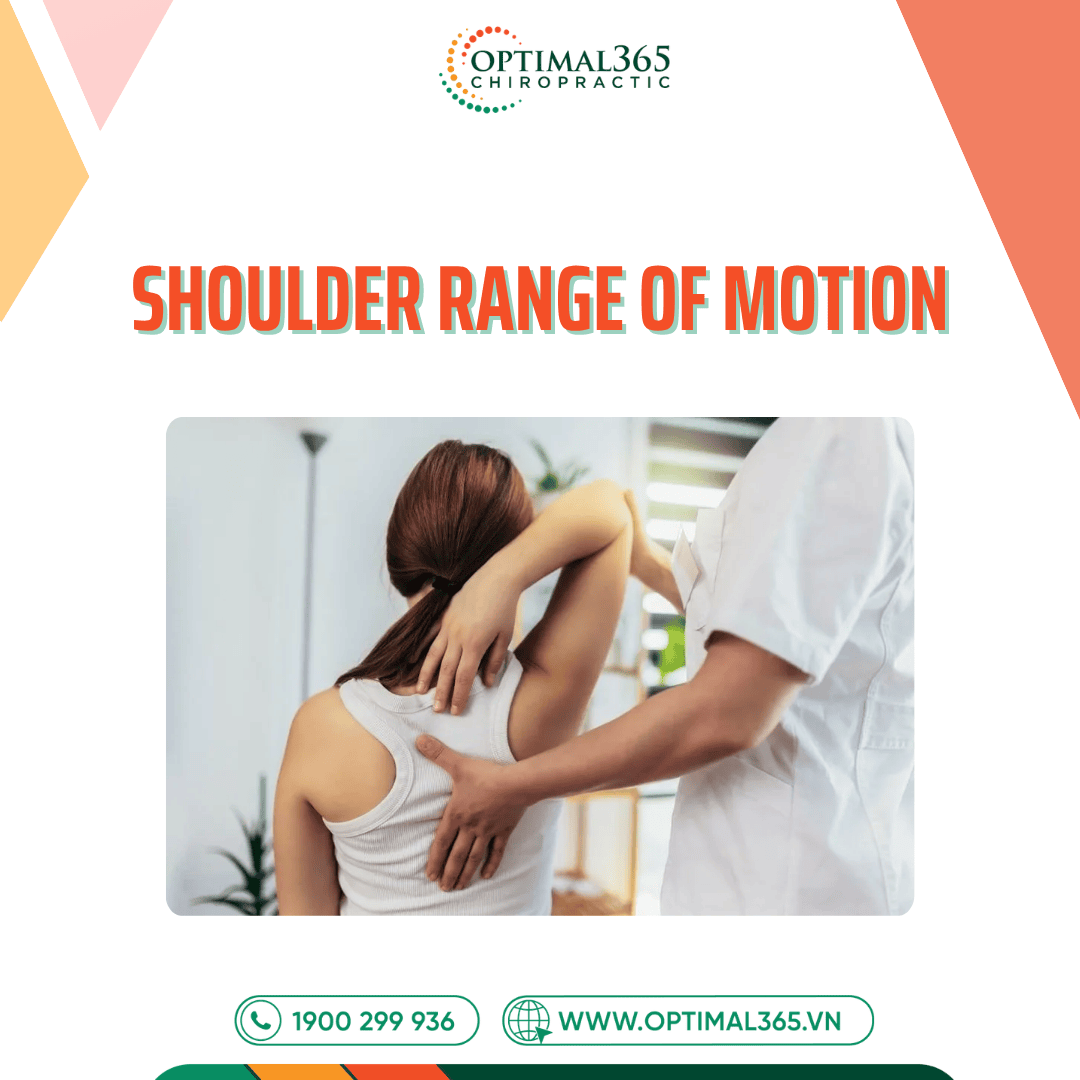
Shoulder range of motion (ROM) is a core factor that reflects the flexibility and function of the shoulder joint in daily activities. However, most people only pay attention when the shoulder starts to hurt, stiffen, or lose normal mobility.
Understanding shoulder ROM properly can help you detect musculoskeletal issues early and take timely action before the condition becomes more serious
What Is Shoulder Range of Motion?
Shoulder Range of Motion (ROM) refers to the ability of the shoulder joint to move in different directions, including lifting, rotating, abducting, or moving the arm backward.
The shoulder is one of the most flexible joints in the body, allowing activities such as:
- Reaching overhead
- Dressing or brushing hair
- Driving and playing sports
When ROM is limited, you may experience:
- Difficulty raising your arm overhead
- Pain when rotating the shoulder
- Morning stiffness
- Weakness or quick fatigue in the shoulder
Main Types of Shoulder Movements
To accurately assess shoulder ROM, doctors typically evaluate the following movements:
- Flexion: Raising the arm forward (normal range: 160–180°)
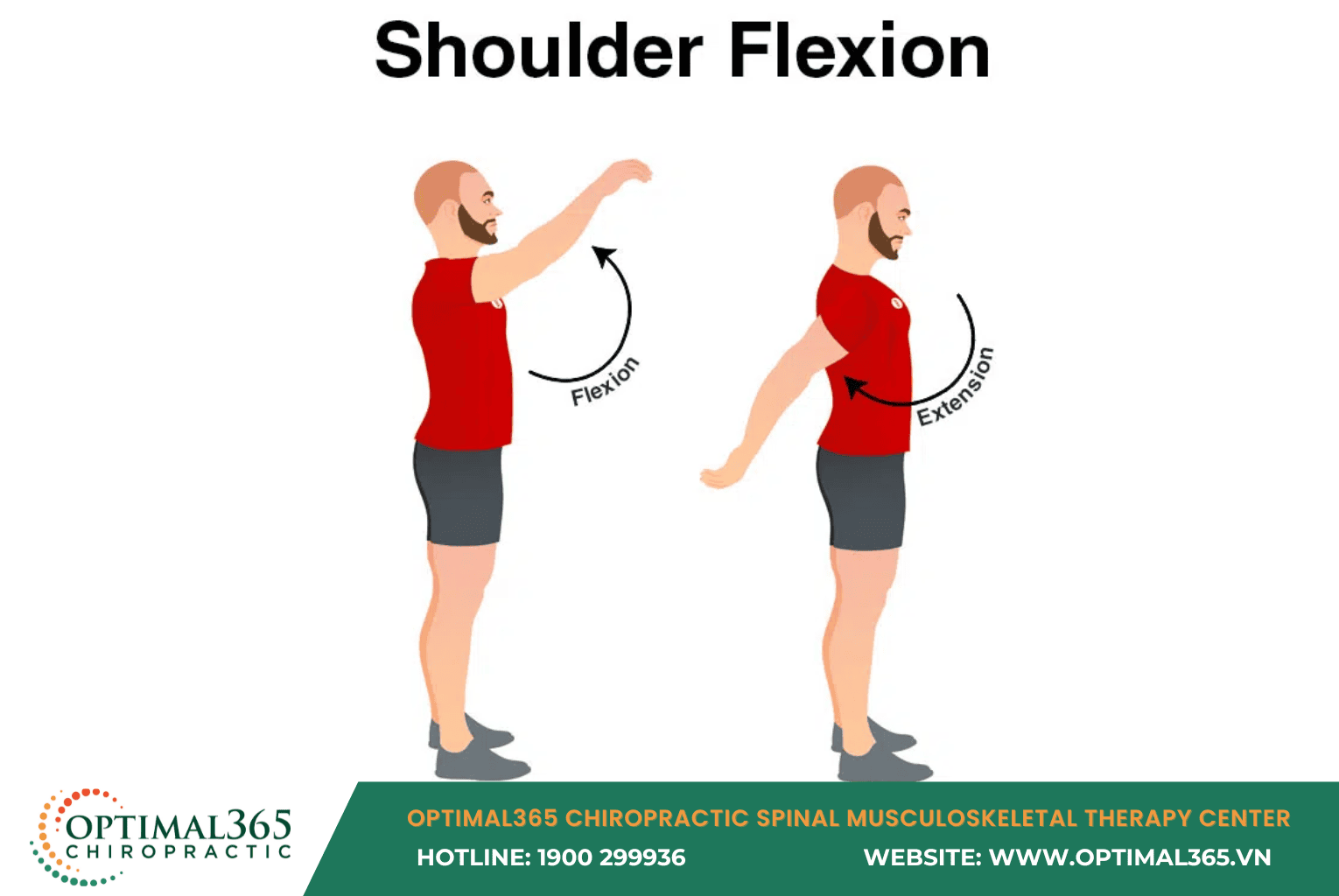
- Extension: Moving the arm backward (40–60°)
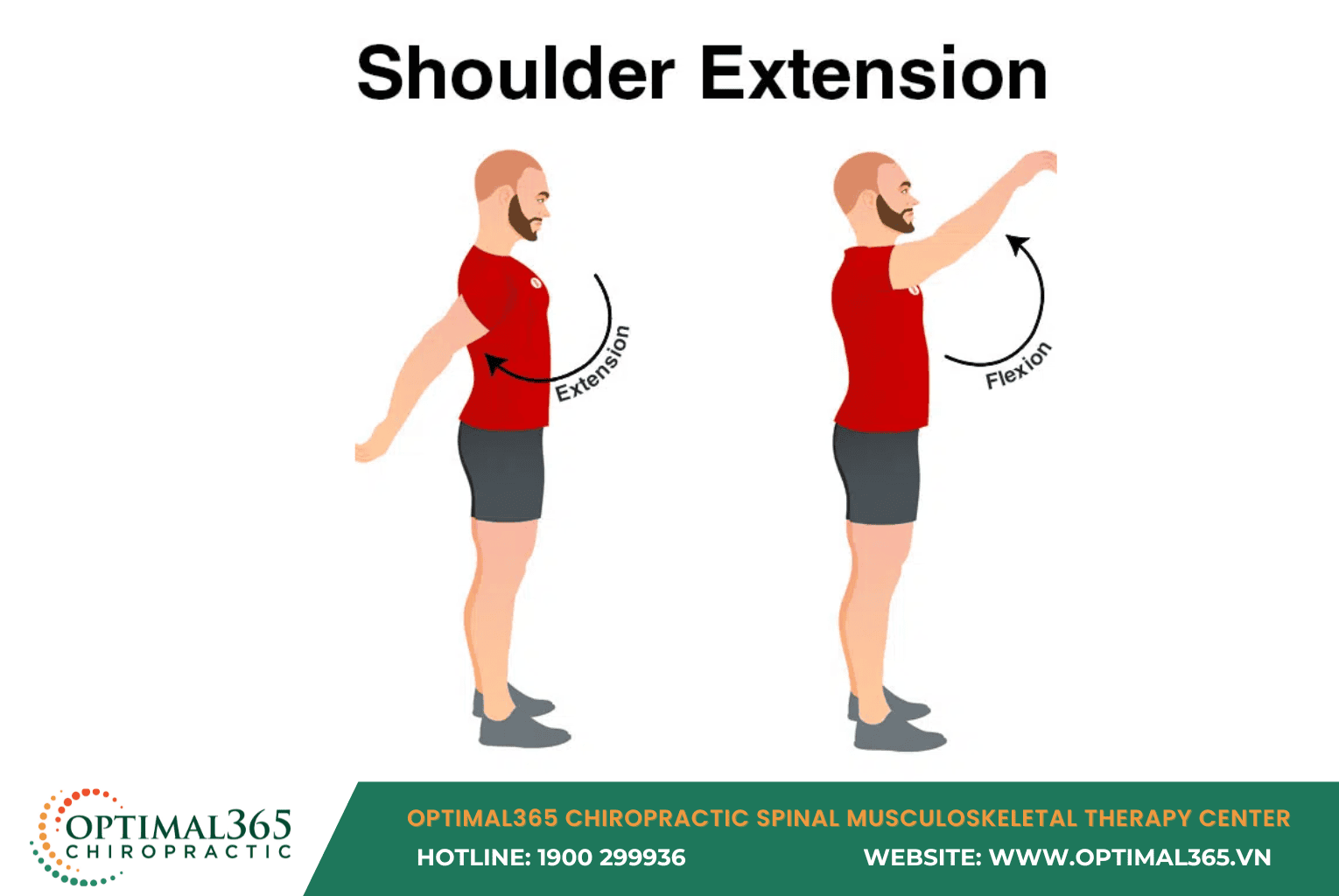
- Abduction: Lifting the arm sideways (150–180°)
- Adduction: Bringing the arm toward the body
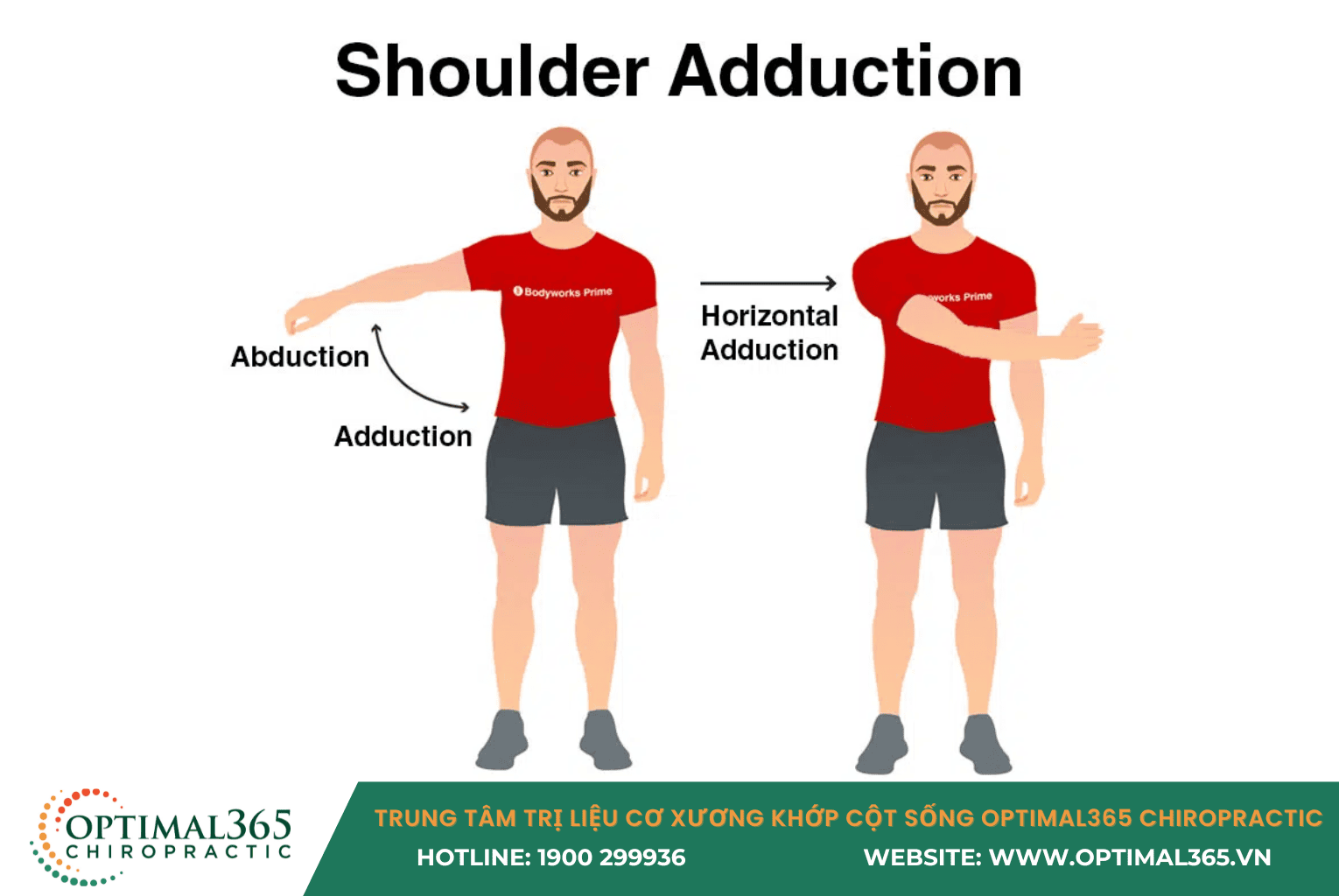
- External Rotation: Rotating the arm outward (around 90°)
- Internal Rotation: Rotating the arm inward (around 70°)
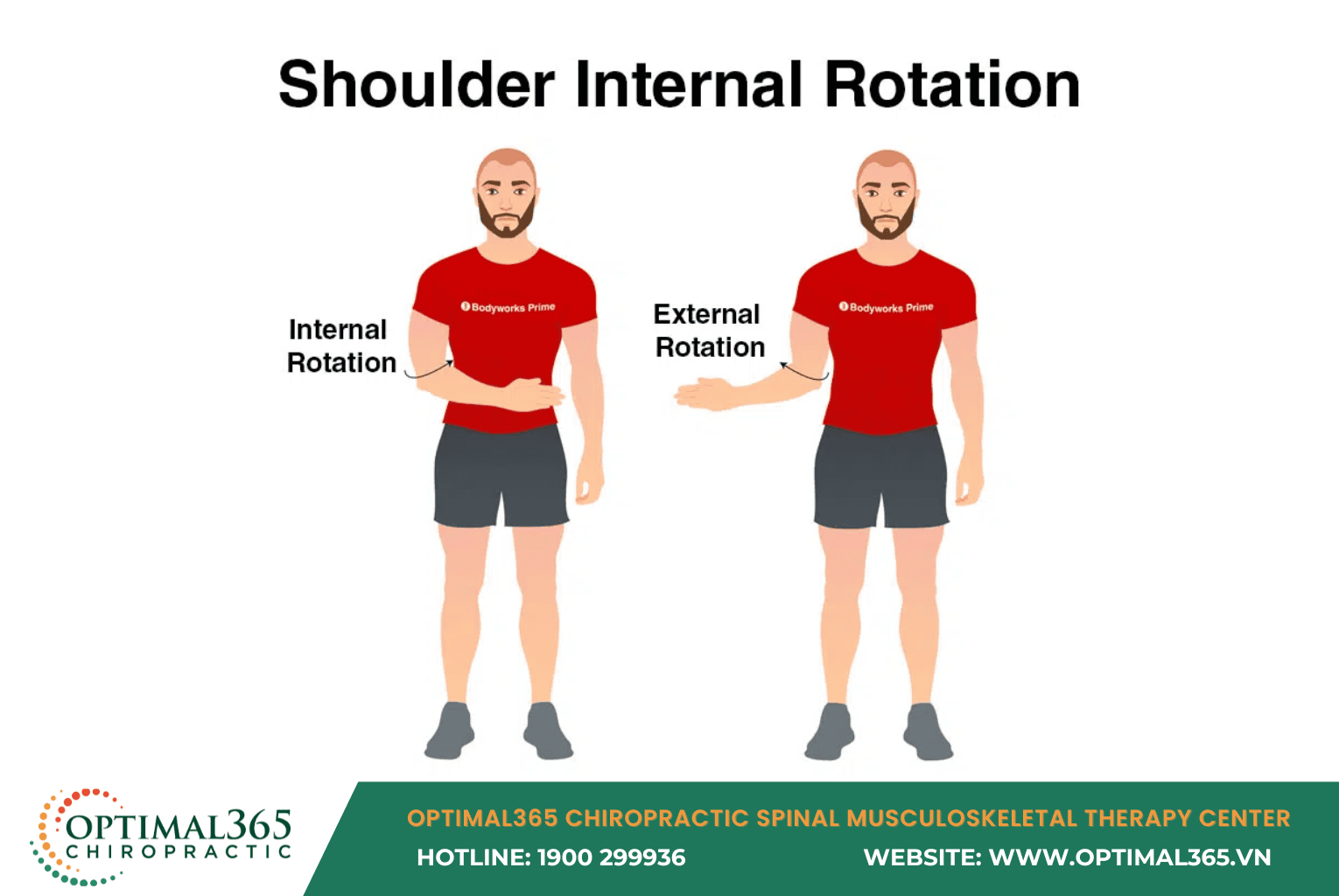
These measurements serve as standard indicators to assess shoulder function and detect abnormalities.
Signs of Limited Shoulder Range of Motion
You should pay attention if you experience:
- Inability to raise your arm overhead
- Pain when dressing or reaching behind your back
- Difficulty rotating your shoulder while driving
- A feeling of stiffness or “locking”
- Noticeable restriction in movement
These symptoms may be related to conditions such as:
- Shoulder impingement or inflammation
- Frozen shoulder
- Rotator cuff injuries
- Joint misalignment or poor posture
Causes of Reduced Shoulder Range of Motion
Poor Lifestyle Habits
Prolonged sitting, lack of movement, or frequent phone use with a forward head posture can cause muscle tightness and reduced mobility.
According to industry data, more than half of office workers experience neck and shoulder pain due to poor posture.
Injury or Improper Movement
Incorrect exercise techniques or heavy lifting can damage the shoulder joint.
Musculoskeletal Conditions
Conditions such as arthritis, degeneration, or frozen shoulder can reduce ROM.
Prolonged Immobilization
After injury or surgery, lack of movement can lead to joint stiffness.
How to Improve Shoulder Range of Motion
Rehabilitation Exercises
Stretching and strengthening exercises help improve shoulder flexibility.
Posture Correction
- Sit upright
- Keep your screen at eye level
- Avoid prolonged forward head posture
Specialized Therapy
Methods such as physical therapy, muscle therapy, and chiropractic care can help:
- Reduce joint pressure
- Increase range of motion
- Restore function
Modern treatment approaches emphasize combining structural correction with rehabilitation for more effective and sustainable ROM improvement.
When Should You Get Your Shoulder Checked?
You should seek evaluation if you experience:
- Shoulder pain lasting more than 1–2 weeks
- Morning stiffness
- Significant movement limitation
- No improvement despite self-exercise
Early assessment helps identify the root cause and prevent long-term complications.
Expert References
The content in this article is compiled from reputable international medical sources focusing on the clinical assessment and measurement of shoulder range of motion.
References include:
- FPNotebook (orthopedic examination guidelines)
- Meloq Devices (normal shoulder ROM values)
- ResearchGate studies on goniometer measurement methods
All information has been carefully reviewed and adapted to ensure accuracy and clarity.
Conclusion
Shoulder range of motion is not just a technical measurement—it is an important early warning sign of musculoskeletal issues. Monitoring and improving ROM helps maintain mobility and prevent shoulder pain effectively.
Methods such as exercise, posture correction, and therapy are supportive but cannot replace medical treatment if pain persists. If you experience prolonged joint pain or stiffness, you should visit Optimal365 for a proper evaluation to identify the underlying cause.
👉 Learn more here: https://optimal365.vn/en/normal-shoulder-range-of-motion/