Sciatica in Pregnancy: Causes, Symptoms, and Safe Pain Relief for Expecting Mothers
Introduction
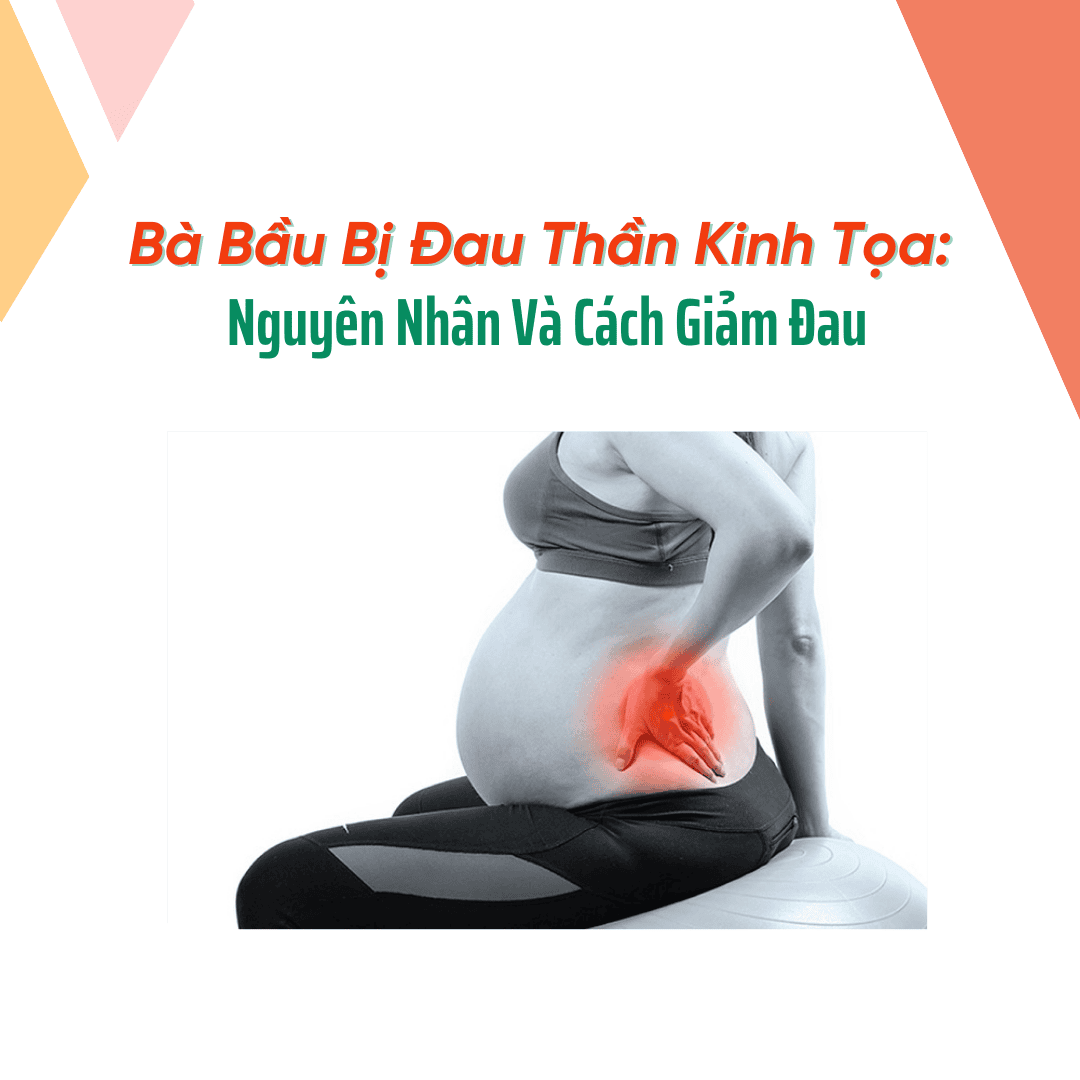
Sciatica during pregnancy is a common condition, especially as the baby grows and places increasing pressure on the mother’s spine. Many pregnant women experience discomfort in the lower back, with pain that may radiate to the buttocks, thighs, or even down to the calves. However, not everyone realizes that this could be a sign of sciatica rather than typical pregnancy-related back pain.
Throughout pregnancy, a woman’s body undergoes significant changes. As the fetus develops, the uterus expands, shifting the body’s center of gravity. At the same time, weight gain places additional strain on the spine—particularly the lower back. These factors can lead to compression of the sciatic nerve, the longest nerve in the body, causing pain that travels from the lower back down the legs.
For many expectant mothers, sciatic nerve pain during pregnancy is not only uncomfortable but can also interfere with daily activities. Walking, standing for long periods, or even turning in bed may become challenging. Some women may also experience numbness or tingling in the legs, making movement more difficult and exhausting.
Although this condition is quite common, it is often misunderstood or mistaken for general back pain. As a result, proper care and pain management may be overlooked. Some pregnant women even try to endure the discomfort due to concerns about the safety of treatment during pregnancy.
In reality, sciatica in pregnancy is usually not harmful to the baby. However, if the pain persists or worsens, it can significantly affect the mother’s quality of life, leading to sleep disturbances, fatigue, and stress. Therefore, early recognition and appropriate care are essential for maintaining a comfortable and healthy pregnancy.
Causes of Sciatica in Pregnancy
There are several reasons why pregnant women develop sciatica, most of which are related to natural physiological changes during pregnancy.
Fetal Growth and Pressure on the Spine
As the baby grows, the expanding uterus puts pressure on the lower back and pelvis. This pressure can compress the sciatic nerve, resulting in pain that radiates from the back down the leg.
Hormonal Changes
During pregnancy, the body produces the hormone relaxin, which loosens ligaments and joints in preparation for childbirth. However, this can also reduce spinal stability, increasing the risk of nerve compression.
Rapid Weight Gain
Weight gain during pregnancy places additional stress on the spine, especially in the lumbar region where the sciatic nerve originates.
Poor Posture
Prolonged sitting, incorrect standing posture, or wearing unsuitable footwear can worsen sciatic nerve pain.
Symptoms of Sciatica in Pregnant Women
Recognizing symptoms early can help mothers manage and relieve discomfort effectively. Common signs include:
- Lower back pain radiating to the buttocks
- Pain extending down the back of the thigh or calf
- Numbness or tingling sensations in the legs
- Increased pain when standing, walking, or changing positions
- Difficulty bending or turning
The pain often affects one side of the body and may last for several days.
Safe Ways to Relieve Sciatica Pain During Pregnancy
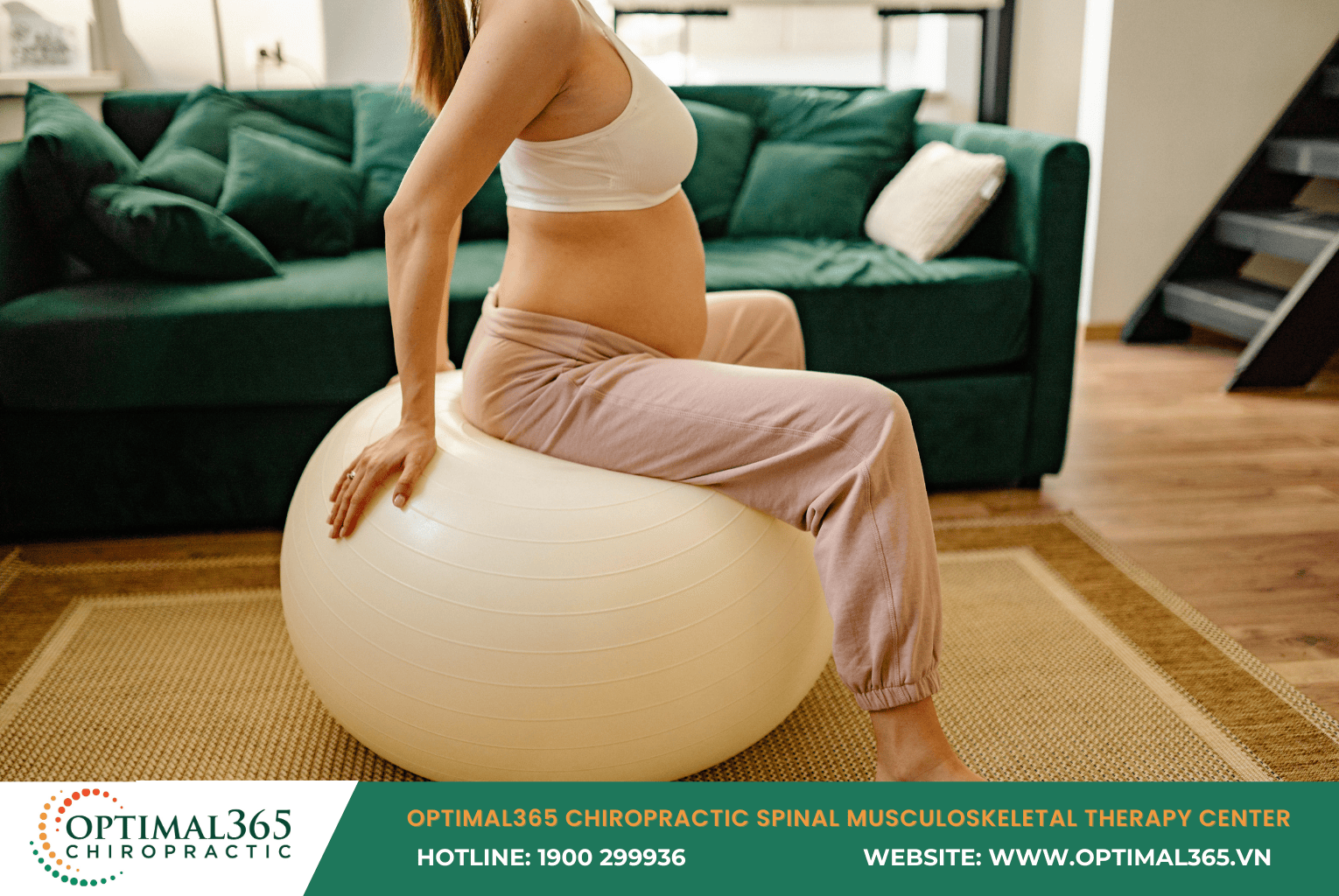
Gentle exercises such as prenatal yoga can help reduce back pain and improve posture during pregnancy.
To manage sciatica during pregnancy, expectant mothers can apply the following safe methods:
Adjust Daily Posture
- Sit upright and avoid prolonged sitting
- Limit standing for extended periods
- Use supportive pillows while sleeping to reduce spinal pressure
Light Exercise
Stretching exercises or prenatal yoga can relieve pressure on the spine and sciatic nerve.
Heat Therapy
Applying a warm compress to the lower back or buttocks can help relax muscles and reduce pain.
Adequate Rest
Getting enough rest allows the body to recover and reduces strain on the spine.
Conclusion
Sciatica in pregnancy is a common condition caused by physical and hormonal changes, as well as pressure from the growing fetus on the spine. While the pain can be uncomfortable, it can be effectively managed with proper care.
Maintaining good posture, engaging in gentle exercise, and ensuring adequate rest can help reduce discomfort and support a healthier pregnancy. If the pain persists or becomes severe, it is important to consult a healthcare professional for appropriate guidance and treatment.
References
According to experts at Mayo Clinic, back pain is common during pregnancy due to hormonal changes, weight gain, and shifts in the body’s center of gravity.
According to Cleveland Clinic, sciatica occurs when the sciatic nerve is compressed or irritated, causing pain that radiates from the lower back down to the leg.