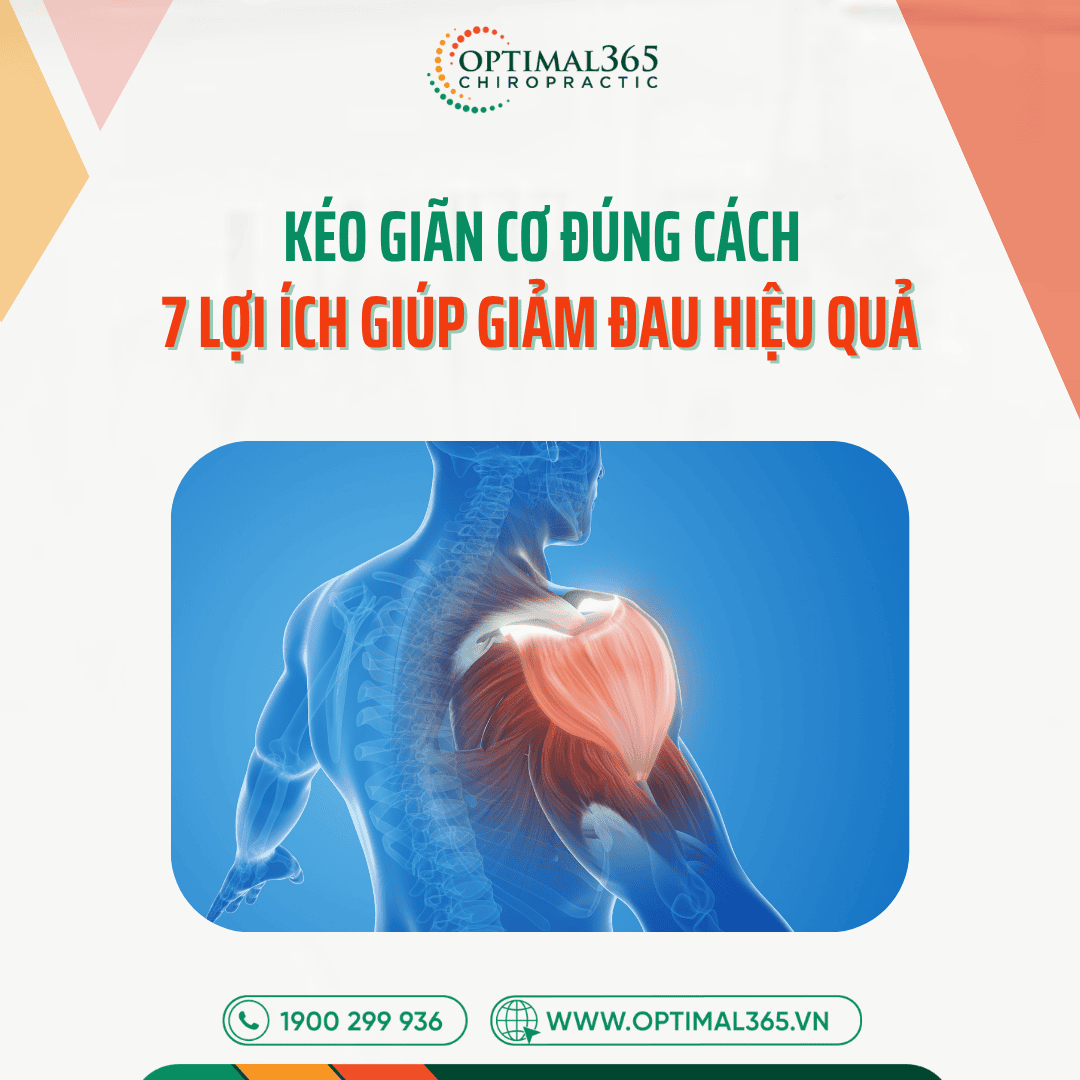
Proper Stretching: 7 Benefits That Help Relieve Pain Effectively
Stretching is an essential part of maintaining a healthy musculoskeletal system. Whether you are an office worker, athlete, or someone dealing with chronic pain, proper stretching can significantly improve flexibility, reduce discomfort, and prevent injuries.
However, many people still perform stretching incorrectly, which can limit its benefits or even lead to injury. This article will help you understand the correct way to stretch and maximize its effectiveness.
What Is Stretching?
Stretching refers to the process of lengthening muscles and soft tissues to improve flexibility and range of motion. It is commonly used in physical therapy, sports training, and daily wellness routines.
According to Mayo Clinic, stretching plays a key role in improving mobility and preventing muscle stiffness when done consistently and correctly.
7 Benefits of Proper Stretching
1. Relieves Muscle Tension and Pain
Stretching helps release tight muscles and reduce soreness caused by prolonged sitting or intense physical activity. It is especially beneficial for people experiencing neck, shoulder, or lower back pain.
👉 Related conditions you can explore:
2. Improves Flexibility and Range of Motion
Regular stretching enhances joint mobility, making everyday movements easier and more efficient.
Research from Harvard Health Publishing shows that maintaining flexibility is essential for long-term physical health and injury prevention.
3. Reduces Risk of Injury
Stretching prepares muscles for movement and helps prevent strains, tears, and other injuries—especially before and after exercise.
Experts at Cleveland Clinic emphasize that proper stretching routines can significantly lower injury risk.
4. Enhances Blood Circulation
Stretching increases blood flow to muscles, delivering oxygen and nutrients that support faster recovery and better performance.
5. Improves Posture
Tight muscles often contribute to poor posture. Stretching helps balance muscle groups and align the body properly.
6. Supports Recovery and Rehabilitation
Stretching is widely used in physical therapy to restore movement and function after injury.
👉 Learn more about related conditions:
- https://optimal365.vn/benh-dieu-tri/thoat-vi-dia-dem
- https://optimal365.vn/benh-dieu-tri/dau-than-kinh-toa
7. Reduces Stress and Promotes Relaxation
Stretching not only benefits the body but also helps calm the mind by reducing tension and improving overall well-being.
Types of Stretching
Static Stretching
- Hold a stretch for 15–30 seconds
- Best performed after workouts
- Helps relax muscles
Dynamic Stretching
- Involves controlled, active movements
- Ideal before exercise
- Helps warm up the body
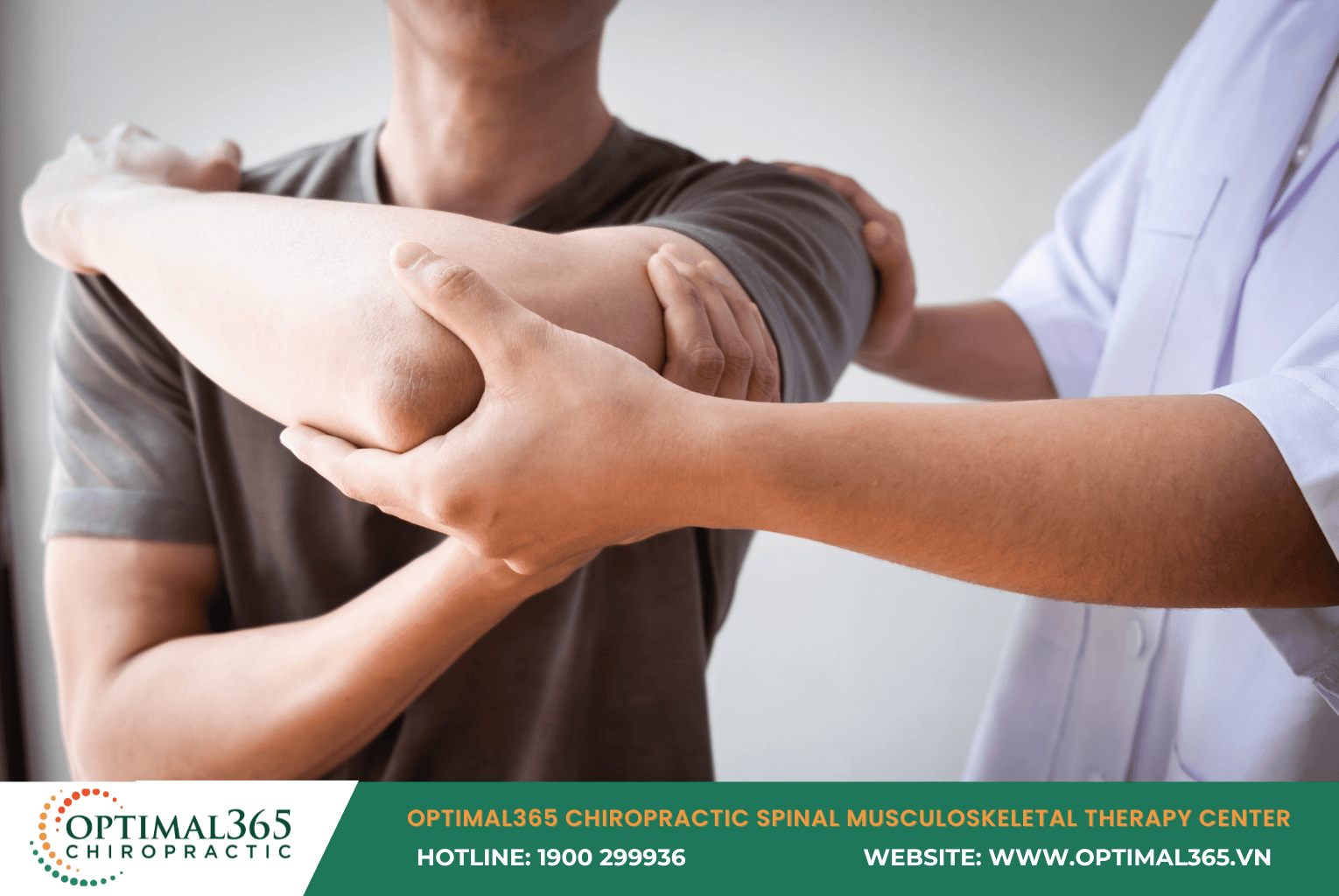
Passive Stretching
- Uses external assistance (partner or tools)
- Allows deeper stretching
Active Stretching
- Uses your own muscle strength
- Improves muscle control and stability
According to American Council on Exercise (ACE), combining different types of stretching can deliver the best results.
How to do proper stretching
1. Warm Up First
Always start with light movement such as walking or joint rotations to prepare your muscles.
2. Stretch Gently
- Stretch until you feel mild tension, not pain
- Hold for 15–30 seconds
- Repeat 2–4 times
3. Breathe Consistently
Deep, controlled breathing helps muscles relax and improves stretching effectiveness.
4. Stay Consistent
Stretching regularly—even just 5–10 minutes per day—can produce long-term benefits.
Common Mistakes to Avoid
Stretching Too Hard
Pushing beyond your limit can cause muscle strain or injury.
Skipping Warm-Up
Cold muscles are more prone to injury during stretching.
Poor Technique
Incorrect posture reduces effectiveness and may worsen pain.
Ignoring Certain Muscle Groups
Make sure to stretch all major areas:
- Neck and shoulders
- Back
- Hips
- Legs
Guidelines from National Health Service (NHS) recommend a balanced full-body stretching routine.
When Should You Stretch?
The best times to stretch include:
- After workouts
- After warming up
- After long periods of sitting
At these times, muscles are more flexible and responsive, reducing the risk of injury.
Who Should Have Proper Stretching?
Stretching is beneficial for almost everyone, especially:
- Office workers
- Athletes
- People with muscle pain
- Individuals recovering from injuries
When to See a Specialist
You should consult a physiotherapy professional if:
- Pain persists despite stretching
- You experience sharp or radiating pain
- Your mobility is significantly limited
Professional therapy can provide targeted treatment and faster recovery compared to self-practice.
Conclusion
Proper stretching is a simple yet powerful way to maintain physical health, improve flexibility, and prevent injuries. By practicing the correct techniques consistently, you can enhance your overall well-being and quality of life.
👉 If you are experiencing musculoskeletal issues, explore professional treatment options here:
https://optimal365.vn/benh-dieu-tri/
References
- Mayo Clinic
- Harvard Health Publishing
- Cleveland Clinic
- National Health Service (NHS)
- American Council on Exercise (ACE)