Pain at the top of the head is a common type of headache that may result from stress, insomnia, or serious health issues such as hypertension or stroke. If the underlying cause is not identified and early intervention is not provided, prolonged pain at the top of the head will deplete the patient’s health, reducing work and study performance.
The following article from Optimal365 Chiropractic introduces the symptoms, causes of pain at the top of the head, and effective prevention methods.
What Is Pain at the Top of the Head?
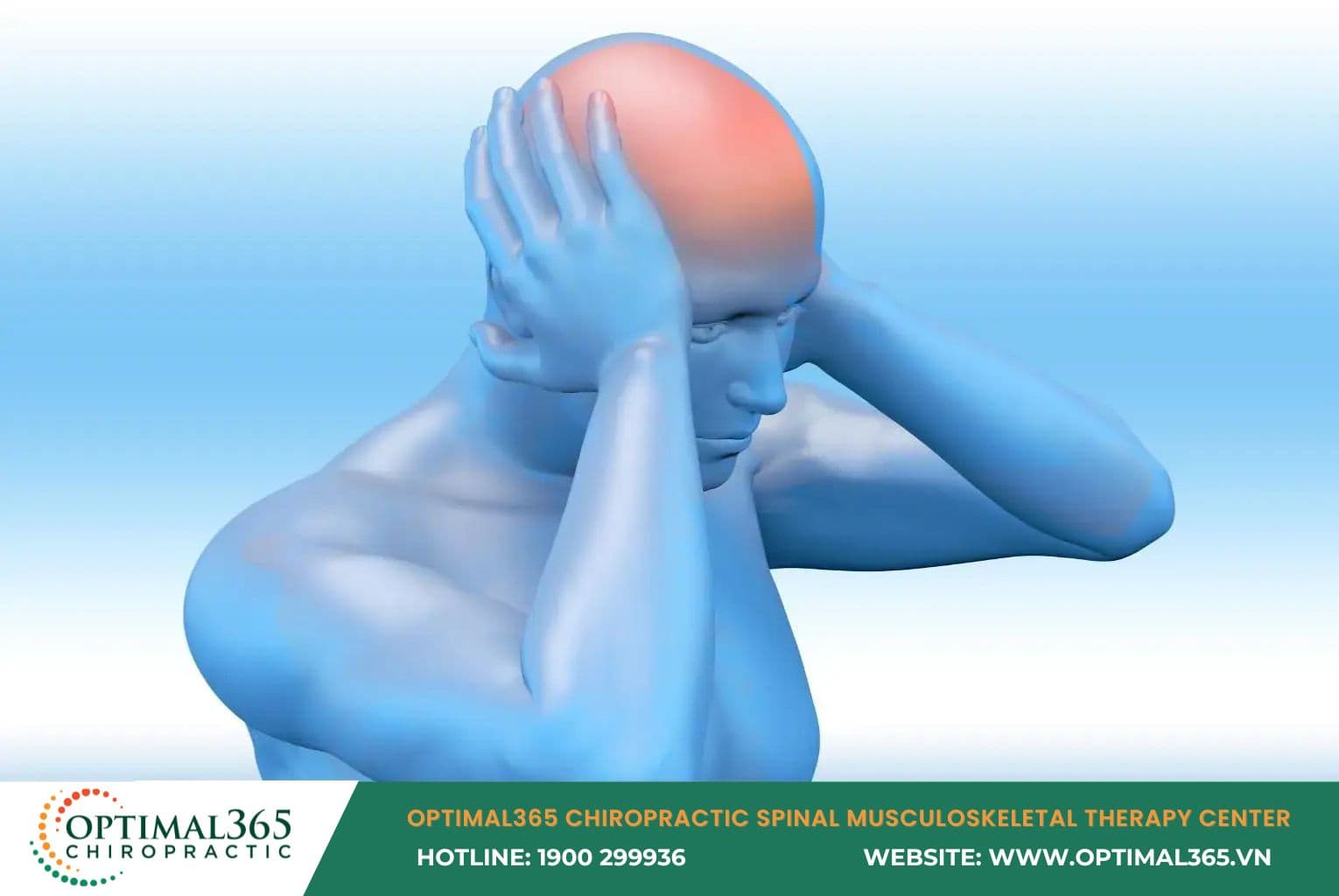
Pain at the top of the head is a condition characterized by sudden, dull pain on the crown of the head. The majority of people experience this type of headache at least once in their lifetime due to various causes. The pain typically lasts for a few minutes but can also persist longer, severely affecting the patient’s quality of life. If not treated promptly, the condition may progress over time and lead to dangerous complications.
Symptoms to Recognize Pain at the Top of the Head
The most common symptom of pain at the top of the head is a stabbing pain as if a heavy object is pressing tightly on the top of the head. Some cases are accompanied by symptoms such as dizziness, nausea, neck pain, jaw pain, sensitivity to light, and loud noises. In rarer cases related to serious pathologies, patients may experience nosebleeds, shortness of breath, or anxiety disorders.
Therefore, when pain at the top of the head is accompanied by the following signs, the patient needs to quickly consult a doctor for timely support:
- Sudden, severe pain at the top of the head accompanied by fever.
- Sudden headache with neck stiffness.
- Pain at the top of the head with seizure symptoms.
- Pain at the top of the head accompanied by cognitive impairment or loss of consciousness.
- Headache concurrent with pain in the ear or eye.
- Continuous prolonged pain at the top of the head.
- Sensation of “knocking” sounds inside the head.
Causes of Pain at the Top of the Head
Pain at the Top of the Head Due to Stress

Prolonged exposure to pressure and stress is a common cause leading to pain at the top of the head, and even pain in the temporal region or nape of the neck. Patients typically feel dull aches without sharp stabs. The pain duration ranges from about 30 minutes, and in longer cases, up to 1 week. However, the pain intensity is not too severe and does not significantly affect the patient’s normal activities.
Migraine Syndrome
Migraine syndrome, also known as hemicrania, is a common neurological disorder causing intense headaches that typically occur on one side of the head and may radiate to the top of the head. The pain can last from a few hours to 2-3 days, accompanied by symptoms such as nausea, vomiting, sensitivity to light, and noise.
The main triggers include stress, hormonal changes, and unhealthy lifestyle habits. If not treated promptly, migraine syndrome can recur multiple times, severely affecting the patient’s quality of life, reducing concentration, and work productivity.
Cluster Headaches
Cluster headaches are one of the causes leading to pain at the top of the head due to the radiating nature of the pain. This condition begins with intense pain concentrated around or behind the eye socket, then spreads to the forehead and top of the head on the same side of the face. Notably, the pain tends to recur at the same time each day, often at night, lasting from 20 minutes to 3 hours, affecting sleep quality and the patient’s health.
In addition to pain at the top of the head, cluster headaches are accompanied by characteristic symptoms such as drooping eyelids, red eyes, tearing, and nasal congestion, making the pain more uncomfortable and persistent. Although the exact cause has not been determined, factors such as sleep disorders, history of head or neck trauma, alcohol and tobacco abuse can increase the risk of onset. Therefore, cluster headaches not only affect the eye socket area but also radiate to the top of the head, becoming a serious cause of pain at the top of the head.
Pain at the Top of the Head Due to Sinusitis

Pain at the top of the head can be caused by sinus inflammation. Accordingly, the patient will feel aching, discomfort in the forehead, cheeks, nose, and between the eyes, radiating to the top of the head. At the same time, there are symptoms of fever and nasal congestion; if more severe, loss of smell occurs. If sinusitis is treated effectively, the headache symptoms will gradually subside.
Pain at the Top of the Head Due to Cold Stimulation
Pain at the top of the head due to cold stimulation, also known as “brain freeze,” typically occurs from sudden exposure of the body to cold temperatures such as drinking ice water or eating ice cream. This stimulates the trigeminal nerve, causing intense, sharp pain shooting to the top of the head for a few seconds.
Pain at the Top of the Head Due to Insomnia

Insomnia, sleep deprivation, or poor sleep quality is also a cause leading to pain at the top of the head. When sleep quality declines, the body experiences disruptions in neurotransmitter production, including orexin – which promotes arousal and plays an important role in sleep. Therefore, patients fall into a vicious cycle: pain at the top of the head leads to insomnia, insomnia causes recurrent headaches that progress more severely.
Pain at the Top of the Head at Night
As the name suggests, pain at the top of the head occurs at night and wakes the patient. The pain episodes last 15 minutes or longer, often recurring at the same specific time, and are more common in individuals over 50 years old.
The exact cause is still unclear but may be related to pain control mechanisms, melatonin production (the hormone that helps regulate the body’s circadian rhythm), or REM sleep (dream sleep – rapid eye movement sleep stage).
Occipital Neuralgia

The occipital nerves are nerves running from the spine to the top of the head. When damaged or inflamed, they often cause back pain or aching pain at the top of the head. The main causes are trauma to the back of the head, joint inflammation compressing nerves, neck muscle tension, or tumors in the neck.
In addition, there are less common causes that can still lead to pain at the top of the head as follows:
Pain at the Top of the Head Due to Cerebral Aneurysm
Sudden and intense headache is the most common sign of cerebral aneurysm, especially with impending or ruptured aneurysms. The pain can occur in any area but is concentrated in the temples, back of the neck, or top of the head.
It is also accompanied by visual disturbances, nausea and vomiting, dizziness, neck pain and stiffness, and loss of balance. If medical intervention is not timely, the patient may suffer cerebral hemorrhage, loss of consciousness, hemiplegia, or even death.
Pain at the Top of the Head Due to Cerebral Hemorrhage
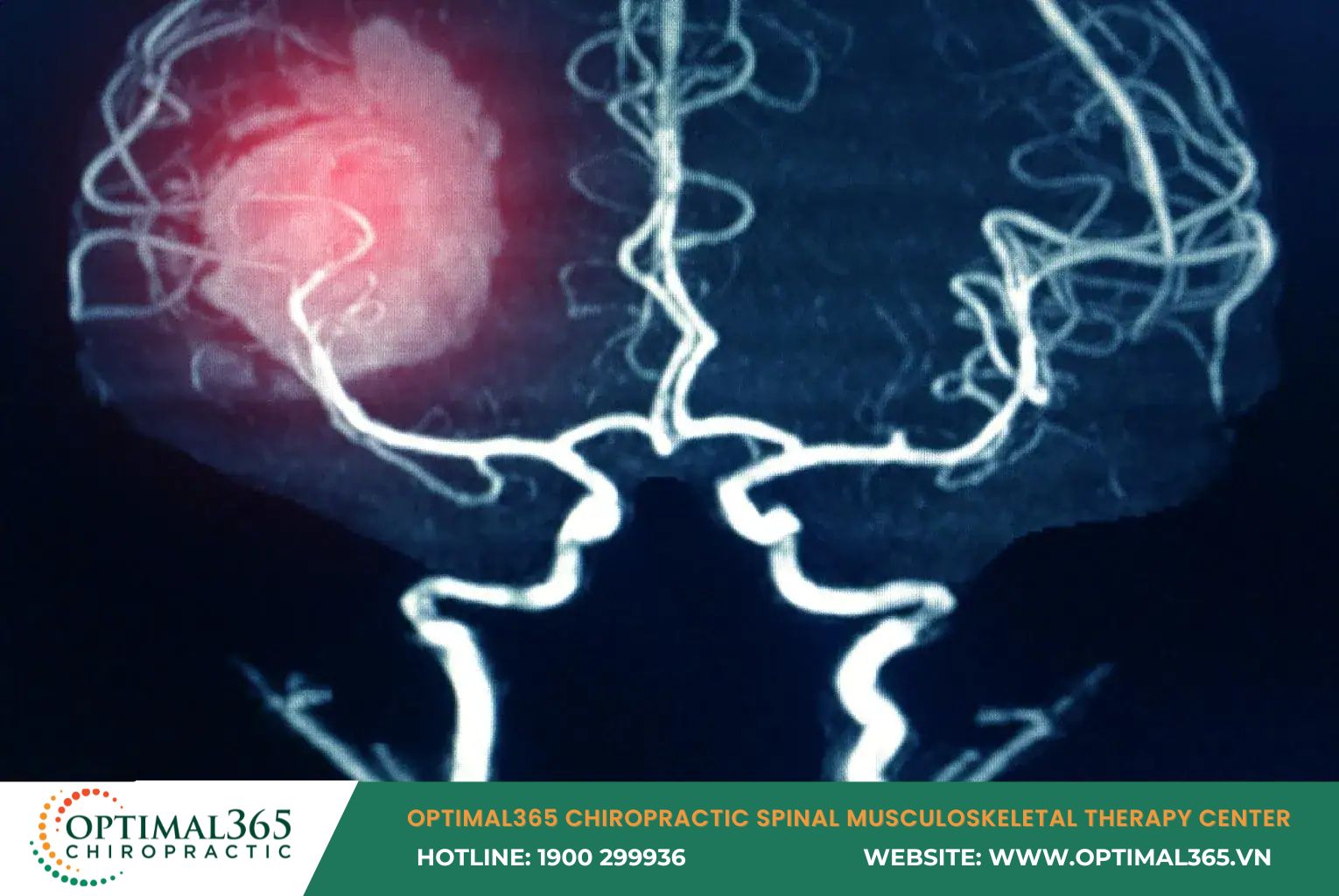
Cerebral hemorrhage is bleeding within the brain, including subarachnoid hemorrhage or intraparenchymal hemorrhage. The initial sign is usually a sudden headache, followed by loss of consciousness or coma, nausea, delirium, and seizures.
If prolonged, neurological focal signs appear and progress severely, causing hemiplegia and hemianopia. Ultimately, the patient experiences coma, dilated pupils, respiratory failure, circulatory failure, cerebral edema, and brain death.
Pain at the Top of the Head Due to High Blood Pressure
Typical hypertension symptoms do not cause headaches. However, in cases of sudden blood pressure spikes (180/120 mmHg or higher), intense throbbing pain at the top of the head may occur, accompanied by chest tightness, shortness of breath, blurred vision, and nosebleeds. At this point, the patient needs immediate medical intervention to lower blood pressure timely and avoid complications.
Overuse of Painkillers
Excessive use of over-the-counter or prescription painkillers can lead to headaches, including at the top of the head. At this stage, the medications no longer provide quick pain relief as desired, causing the patient to frequently face persistent, uncomfortable headaches.
Pain at the Top of the Head Due to High-Intensity Activities
Performing high-intensity activities such as intense exercise or excessive sexual activity can also cause headaches. The cause is a sudden rapid increase in blood pressure, creating pressure on cerebral blood vessels and leading to pain. Additionally, those with pain at the top of the head may feel blurred vision, shortness of breath, dizziness, nausea, and extreme fatigue.
Therefore, everyone should exercise at an appropriate level without overexertion. Before exercising, warm up and stretch thoroughly, and pay attention to supplementing water and protein adequately during training.
Pain at the Top of the Head Due to Cerebral Hypoperfusion
Cerebral hypoperfusion occurs when the number of red blood cells circulating in the blood is reduced below normal levels, causing decreased oxygen and nutrient transport to the brain and resulting in pain at the top of the head.
People with pain at the top of the head will feel a dull ache as if a heavy object is pressing down, accompanied by dizziness and loss of balance when changing positions suddenly (standing up, sitting up). Causes of cerebral hypoperfusion may include vitamin deficiency, iron deficiency, or thalassemia pathology.
Dangerous Complications Potentially Caused by Pain at the Top of the Head
Most cases of pain at the top of the head are not too serious, mainly affecting the patient’s mood, reducing concentration, and impacting quality of life. However, there are cases where pain at the top of the head warns of more dangerous conditions such as hypertension, cerebral hypoperfusion, or stroke. These cases, if not intervened timely, directly threaten the patient’s life.
Methods to Treat Pain at the Top of the Head
Treating Pain at the Top of the Head with Medications

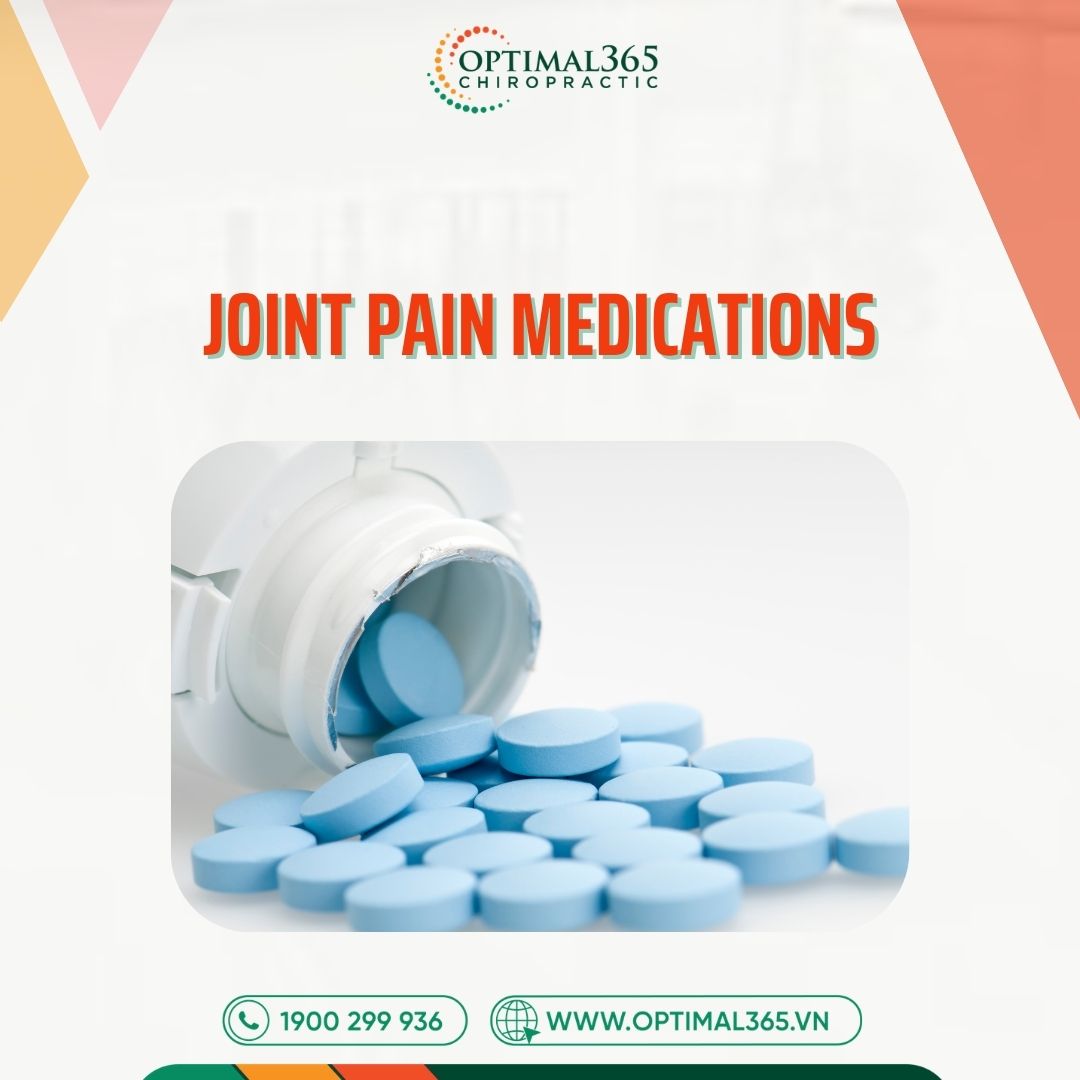
The common way to treat pain at the top of the head is using over-the-counter pain relievers (such as paracetamol) or non-steroidal anti-inflammatory drugs (NSAIDs like ibuprofen, aspirin). In cases of more severe headaches, doctors may prescribe triptans, especially for migraines. However, these medications can cause side effects such as stomach irritation, kidney effects, or interactions with other drugs. Therefore, patients should consult a doctor before use.
Additionally, tricyclic antidepressants like amitriptyline are used when pain at the top of the head is related to occipital neuralgia, helping reduce pain by modulating neurotransmitters. For cluster headaches, calcium channel blockers like verapamil help prevent and control pain due to cerebral vasoconstriction. For severe hypertension, antihypertensive drugs such as beta-blockers, ACE inhibitors, or diuretics help prevent dangerous complications like cerebral hemorrhage and stroke. Patients must not self-medicate but should seek examination and treatment as prescribed by a doctor to ensure safety and effectiveness.
Chiropractic Spinal Nerve Therapy Method

For cases of pain at the top of the head due to poor sitting/lying posture or related to cervical spine pathology, Chiropractic Spinal Nerve Therapy – Adjustment is considered a suitable solution. The doctor will realign misaligned joints, release nerve compression, and effectively resolve the root cause without injections, medications, or surgery.
At Optimal365 Chiropractic, the team of doctors from the US, leading Chiropractic experts with over 20 years of experience, will meticulously study each patient’s pathology to build personalized treatment protocols, helping patients recover quickly and comprehensively improve musculoskeletal health.
Additionally, Optimal365 Chiropractic is equipped with advanced devices using modern therapy technology, meeting international standards to optimize the treatment process for each client. The technical team always accompanies and is ready to answer all client questions about proper nutrition, functional recovery exercises, and healthy lifestyle habits to help patients maintain long-term treatment results and prevent recurrence.
Other Therapy Methods
Some other methods to relieve pain at the top of the head such as head massage, hot baths, acupuncture, or changing lying/working posture can soothe the pain without medications. However, the pain still carries a risk of recurrence.
Some Measures to Prevent Pain at the Top of the Head

To prevent the risk of pain at the top of the head, you can implement the following simple measures:
- Get enough sleep: Sleep deprivation or insufficient sleep is one of the common triggers of pain at the top of the head. Therefore, arrange a suitable schedule to sleep 7-8 hours each night, create a comfortable space for the best quality sleep.
- Reduce stress: Moderate exercise, yoga, meditation, listening to music, painting, or spending time with family and friends are suggestions to relax the mind, effectively reduce stress and fatigue.
- Limit alcohol, stimulants: Alcohol and stimulants are headache triggers. For patients with pain at the top of the head, consider minimizing or completely avoiding beer and alcohol for better treatment.
- Maintain stable caffeine intake: Consuming more or less caffeine than usual can cause headaches. Therefore, maintain your caffeine level according to your daily caffeinated beverage consumption habit.
Pain at the top of the head not only stems from stress or unscientific lifestyles but sometimes also signals serious health issues. Therefore, if you frequently experience pain at the top of the head with increasing intensity despite using painkillers, you should see a doctor early for diagnosis of the cause and effective treatment.
Reference source:
1. Gotter, A. (2022, July 21). Headache on the top of the head. Healthline. https://www.healthline.com/health/headache-on-top-of-head
2. Frysh, P. (2023, September 22). at does a headache on the top of your head mean? WebMD. https://www.webmd.com/migraines-headaches/headache-on-top-of-head
3. Headache. (n.d.). National Institute of Neurological Disorders and Stroke. https://www.ninds.nih.gov/health-information/disorders/headache