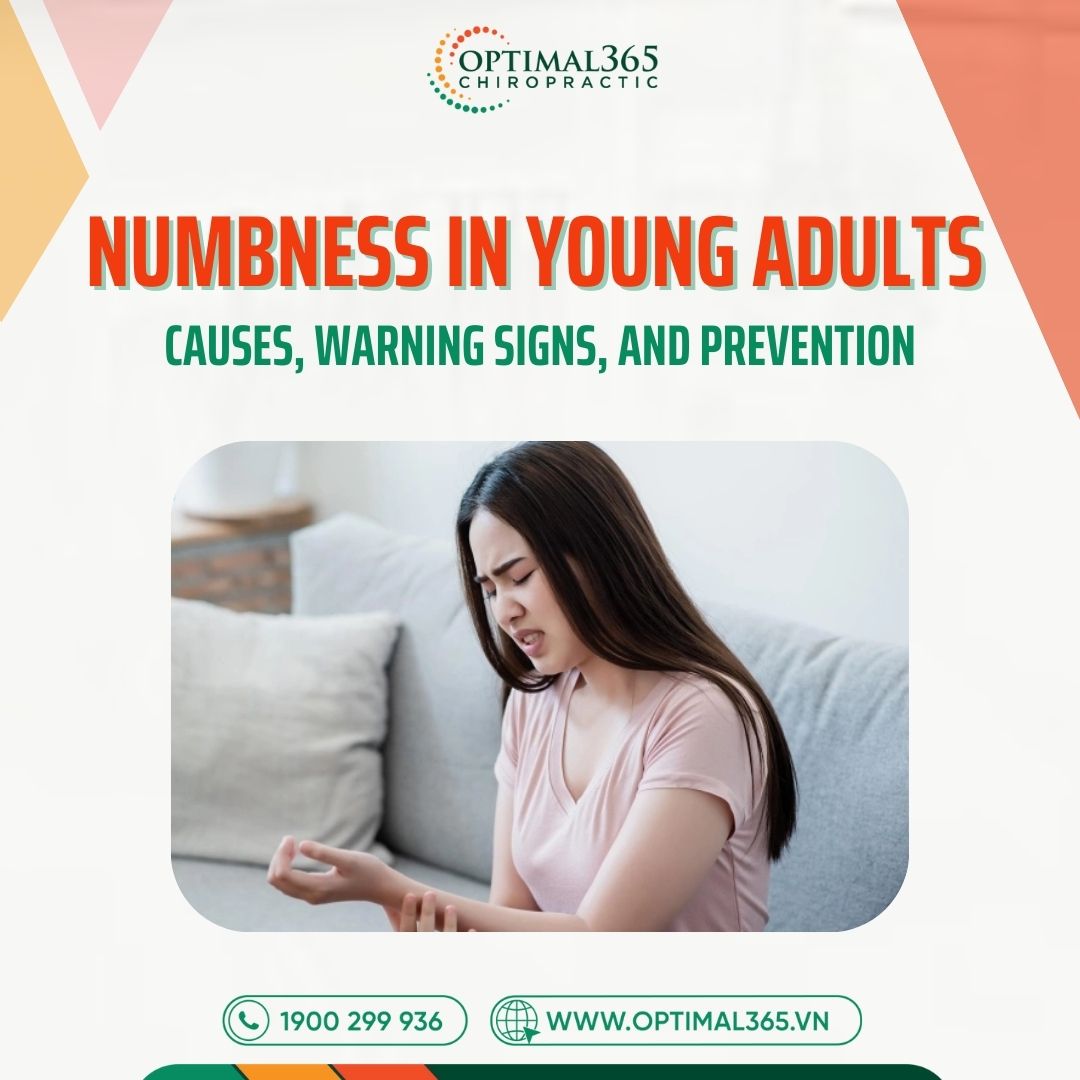
In today’s digital age, hand numbness in young adults (tingling fingers, “pins and needles” sensation) has become surprisingly common among those aged 20–35. No longer just an “old-age” problem, numbness, tingling, or electric-shock-like feelings in the hands and fingers now regularly affect office workers, students, gamers, and anyone who spends hours on computers or smartphones.
Many young people brush it off as “I probably slept on my hand” or “just tired from typing too long.” However, when this symptom repeats or persists, it can be an early warning sign of peripheral nerve issues, nerve compression, or even systemic conditions. This comprehensive guide explains exactly what hand numbness in young adults is, the most common causes, red flags that require immediate medical attention, and proven prevention & treatment methods.
What Is Hand Numbness? Common Symptoms in Young People
Hand numbness (medically called paresthesia) is a temporary or prolonged loss/reduction of sensation in the palm, fingers, or forearm. Patients often describe it as “ants crawling,” prickling, tingling, burning, or mild electric shocks, especially in the fingertips.
According to University of Medicine and Pharmacy Hospital HCMC and international medical sources, symptoms may affect one or both hands, last from a few minutes to several hours, and recur multiple times a day. When frequent, it leads to difficulty gripping objects, slower typing speed, and reduced productivity at work or school.

What is hand numbness in young adults?
Top Causes of Hand Numbness in Young Adults
Mechanical Causes
The #1 Enemy of Office Workers Carpal Tunnel Syndrome (CTS) is by far the leading cause of hand numbness in young adults Vietnamese and worldwide. Hours of repetitive typing, scrolling, and mouse clicking cause inflammation of tendons inside the narrow carpal tunnel, compressing the median nerve. Result: numbness and tingling in the thumb, index, middle, and half of the ring finger — often worse at night or early morning.
Similarly, Guyon’s canal syndrome (ulnar nerve compression at the wrist) and cubital tunnel syndrome (at the elbow) trigger numbness in the pinky and ring finger. Activities like prolonged gaming on phones, long-distance motorbike riding, or incorrect gym form dramatically increase risk.
Poor Sleeping Posture & Daily Habits
Falling asleep on your arm, resting your head on your hand, or sleeping prone with wrists flexed are extremely common temporary causes among young people. While symptoms usually resolve in minutes, chronic repetition damages nerves and blood vessels over time.
Nutritional Deficiencies & Sedentary Lifestyle
Deficiencies in vitamin B1, B6, B12, folic acid, or magnesium directly harm peripheral nerves (Vinmec International Hospital data). Irregular eating habits, high coffee/alcohol intake, and low consumption of green vegetables and fish make today’s youth highly vulnerable.
Sitting 8–10 hours daily with minimal movement reduces blood circulation, depriving nerves of oxygen and nutrients — significantly raising numbness risk.
Less Common but Serious Conditions (Never Ignore)
Though rarer in young adults, persistent numbness with weakness or muscle wasting may indicate:
- Cervical spondylosis or herniated cervical disc
- Early diabetic neuropathy (even in young patients)
- Compartment syndrome (common in heavy, improper weightlifting)

Less Common but Serious Conditions (Never Ignore)
When Is Hand Numbness Normal vs. When to See a Doctor Immediately?
- Normal (No worry): Lasts < 5–10 minutes, resolves instantly after changing position, no weakness.
- See a doctor urgently: Lasts hours, recurs multiple times daily, accompanied by arm weakness, muscle atrophy, pain radiating to shoulder/neck, bilateral symptoms, or numbness spreading to legs/face.
Doctors at Optimal365 Chiropractic strongly recommend seeing a neurologist or hand surgery specialist if numbness persists > 1 week, occurs ≥ 3 times/week, or shows any red-flag symptoms above.
Best Prevention & Treatment Methods for Young People
Create an Ergonomic Workstation
- Screen at eye level, elbows at 90°
- Use vertical mouse, split keyboard, wrist rests
- Take 5–10 minute breaks every 30–60 minutes + wrist stretching exercises
Improve Sleep Posture
- Sleep on your back or side with a body pillow so arms aren’t compressed
- Consider specialized wrist night splints if nighttime numbness is frequent
Optimize Nutrition for Nerve Health
- Increase B-vitamin-rich foods: liver, salmon, eggs, milk, dark leafy greens
- Cut down coffee and alcohol — they deplete B vitamins rapidly
Exercise & Movement the Right Way
- Daily 3–5 minute wrist stretches and hand massages
- Practice yoga, swimming, or brisk walking 30 minutes/day
- Avoid ultra-heavy lifting or repetitive wrist motions with bad form
Seek Professional Help Early If lifestyle changes for 2–4 weeks bring no improvement, visit a neurologist or hand specialist for EMG testing, ultrasound, or MRI when necessary. Early intervention prevents permanent nerve damage and surgery.

Best Prevention & Treatment Methods for Young People
At Optimal365 Chiropractic in Vietnam, patients receive international-standard chiropractic and neurological care for hand numbness and nerve compression at a fraction of overseas treatment costs — helping thousands of young Vietnamese regain full hand function quickly and affordably.
Conclusion
Hand numbness in young adults is no longer a minor annoyance in an era where most of us spend over 8 hours daily on devices. Simple changes today — better posture, smarter nutrition, regular movement — can spare you from complex surgeries or lifelong nerve issues tomorrow.
Listen to your body. If you or your friends experience persistent tingling, weakness, or difficulty gripping objects, book a specialist appointment today. Healthy hands are your most important tool for career success and enjoying life to the fullest.
Have you ever experienced hand numbness? What do you think is causing yours? Drop a comment below — let’s share experiences and solutions!