Frozen Shoulder: Causes, Symptoms and Treatment with Deep Tissue Therapy at Optimal365 Chiropractic
Are you experiencing a stiff shoulder, pain when raising your arm, or difficulty putting on clothes and combing your hair? These could be signs of frozen shoulder, also known as adhesive capsulitis. This condition causes the shoulder joint capsule to become inflamed, thickened, and contracted, leading to severe restriction of movement. Without proper treatment, it can last for many months to several years. This article explains what frozen shoulder is, its causes, symptoms, and how it can be treated with deep tissue therapy at Optimal365 Chiropractic.
What Is Frozen Shoulder?
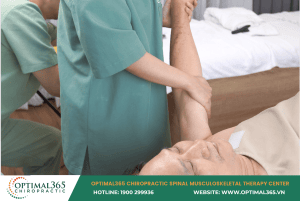
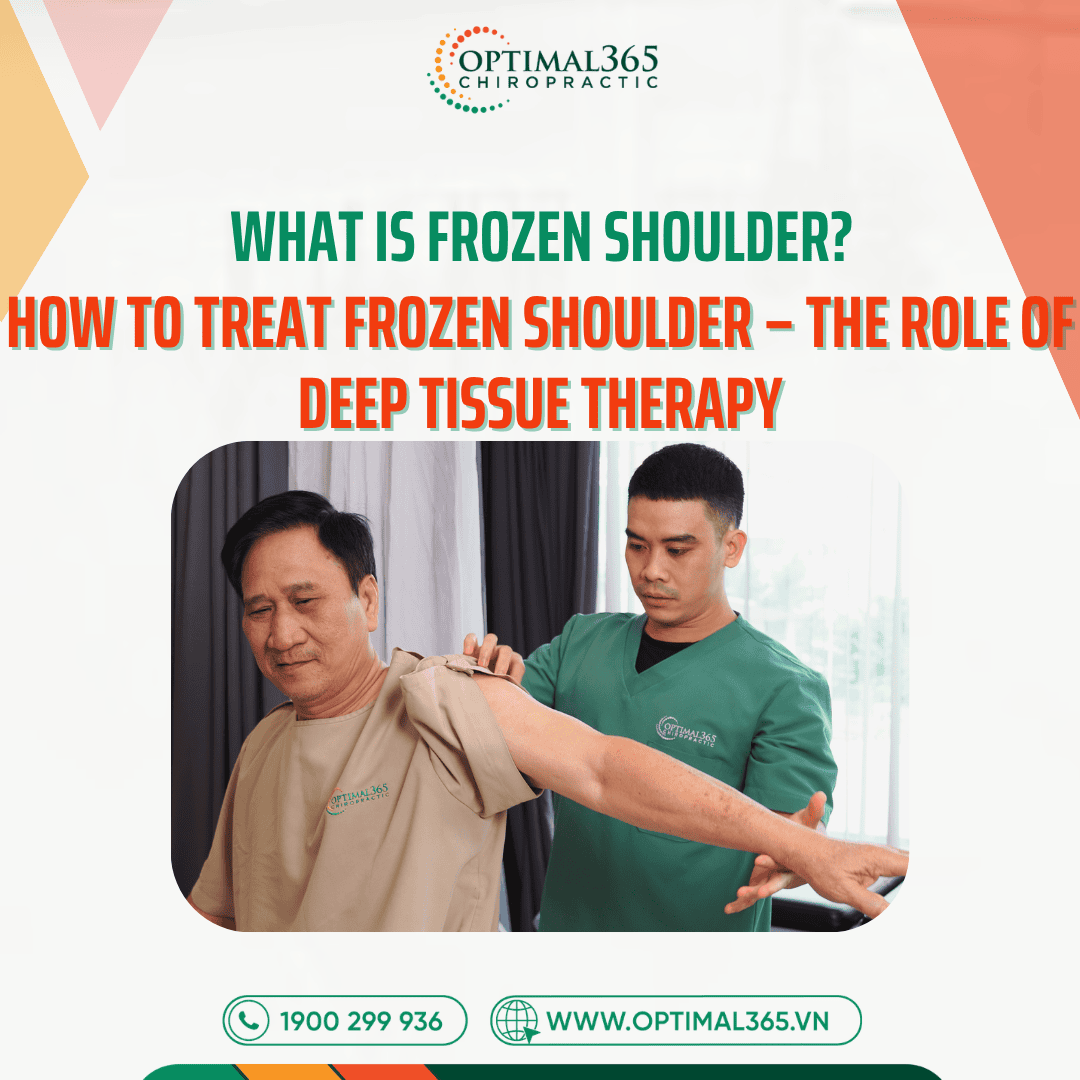
Frozen shoulder is a condition in which the capsule surrounding the shoulder joint becomes inflamed and fibrotic, causing the joint to “stick.” Patients feel as if the shoulder is locked, experience pain with movement, and sometimes pain even at rest, especially at night. The condition typically progresses through three stages: the freezing stage, the frozen stage, and the thawing stage.
Unlike common shoulder injuries, frozen shoulder is not caused by tendon tears or cartilage damage. It is mainly related to an inflammatory response and fibrosis of the joint capsule. The condition may resolve on its own after one to three years, but it causes prolonged pain and significantly affects quality of life if not treated early.
Causes of Frozen Shoulder
The exact cause is not fully understood, but common risk factors include:
- Age: Most common in people aged 40 to 60.
- Gender: Women are affected more often than men.
- Underlying conditions: Diabetes, thyroid disorders, and cardiovascular disease increase the risk.
- Lack of shoulder movement after injury, surgery, or prolonged immobilization.
- Inflammatory factors and collagen metabolism disorders in the joint capsule.
Some cases appear after a minor injury or after the shoulder has been immobilized due to pain. Early recognition helps make frozen shoulder treatment more effective.
Frozen Shoulder Symptoms Through Three Stages
Stage 1 – Freezing Pain gradually increases, especially at night. Range of motion begins to decrease. Patients often feel pain when raising the arm or reaching behind the back.
Stage 2 – Frozen Pain may lessen, but the shoulder becomes very stiff. Everyday movements such as putting on clothes, combing hair, or reaching for objects overhead become almost impossible.
Stage 3 – Thawing Range of motion gradually improves and pain decreases. However, without proper exercise and therapy, this process can be very slow and may leave residual functional limitations.
How to Treat Frozen Shoulder – The Role of Deep Tissue Therapy
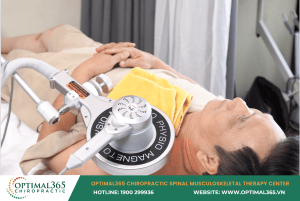
Treatment for frozen shoulder focuses on reducing pain, controlling inflammation, restoring range of motion, and strengthening the muscles around the shoulder. Common methods include physical therapy, pain-relieving and anti-inflammatory medication, injections in some cases, and surgery only in rare situations.
Among these, deep tissue therapy combined with manual techniques and functional rehabilitation is widely used by reputable clinics. It helps release adhered soft tissues, improve circulation, and restore joint mobility safely and non-invasively.
Deep Tissue Therapy for Frozen Shoulder at Optimal365 Chiropractic
At Optimal365 Chiropractic, the frozen shoulder treatment process is personalized based on a detailed assessment of each patient:
- Comprehensive assessment: Evaluation of range of motion, pain level, posture, and related factors from the cervical and thoracic spine that may affect the shoulder.
- Specialized soft tissue therapy: Techniques to release the joint capsule and surrounding muscles, reducing tightness and adhesions.
- Gentle manual adjustments: Support improved movement of the shoulder joint and related joints.
- In-clinic rehabilitation exercises and home guidance: Stretching and strengthening exercises tailored to each stage of the condition.
- Progress monitoring: Treatment plan adjusted according to the patient’s improvement.
Key benefits of treatment at Optimal365 Chiropractic:
- Faster pain relief compared to medication alone.
- Safe restoration of range of motion with lower risk of recurrence.
- Minimal long-term medication use, suitable for patients with underlying conditions.
- Combination of hands-on therapy and self-care guidance at home.
Patients should seek care early when pain and stiffness appear for better treatment outcomes. Delaying can prolong the frozen stage.
Important Notes for Treatment and Prevention
- Do not force or aggressively stretch the shoulder during acute pain.
- Maintain gentle movement within a pain-free range.
- Keep blood sugar well controlled if you have diabetes.
- Maintain proper working posture and avoid prolonged slumped shoulders.
- Regularly strengthen the shoulder and scapular muscles after pain has decreased.
If you are dealing with frozen shoulder, choosing a clinic experienced in deep tissue therapy and functional rehabilitation such as Optimal365 Chiropractic can make the recovery process more scientific and effective.
Conclusion
Frozen shoulder is a common condition that can be well managed and significantly improved when detected early and treated correctly. Deep tissue therapy at Optimal365 Chiropractic is a safe, non-invasive approach that helps reduce pain, restore range of motion, and improve quality of life. Listen to your body and seek professional support promptly so your shoulder can become flexible again.
References
For more professional information about frozen shoulder, you can refer to these reliable sources:
- Mayo Clinic – Frozen shoulder: Symptoms and causes https://www.mayoclinic.org/diseases-conditions/frozen-shoulder/symptoms-causes/syc-20372684
- Cleveland Clinic – Frozen Shoulder https://my.clevelandclinic.org/health/diseases/15359-frozen-shoulder