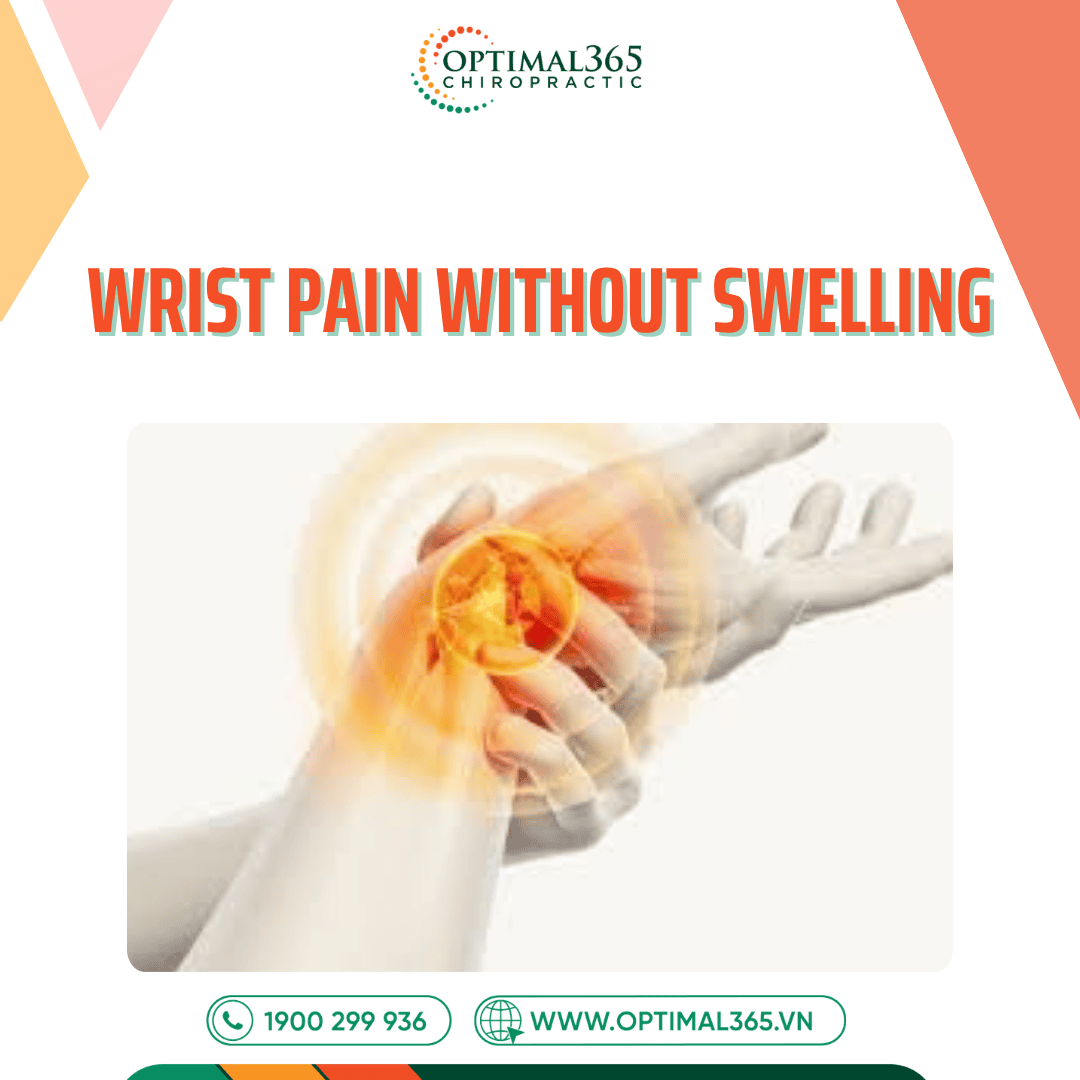
What is wrist pain without swelling?
“Wrist pain without swelling” refers to a condition where you experience pain, soreness, numbness, or weakness in the wrist without visible signs of inflammation such as swelling or redness.
This is a common musculoskeletal issue, especially among office workers, athletes, or people who frequently use their hands and wrists. Because there is no swelling, many people tend to ignore it.
However, according to medical experts, this condition may be related to tendon injuries, ligament strain, or nerve compression and should be monitored early to prevent chronic complications.
Causes of wrist pain without swelling
Repetitive strain injury
Repeated wrist movements such as typing, using a smartphone, or playing sports can cause micro-injuries in muscles and tendons. Over time, these small injuries accumulate and lead to pain without swelling.
Carpal tunnel syndrome
This condition occurs when the median nerve is compressed in the wrist. Symptoms often include tingling, numbness, and pain, especially at night or when gripping objects.
Tendinitis or tenosynovitis
Repetitive movements or poor posture can lead to tendon inflammation. In mild cases, pain may appear without visible swelling.
Wrist osteoarthritis
Degeneration of joint cartilage can cause bones to rub against each other, resulting in dull, persistent pain. Early stages may not show swelling.
Poor posture habits
Incorrect wrist positioning while working, resting the wrist on hard surfaces for long periods, or excessive phone use can create pressure and lead to pain.
Nutritional deficiencies
Lack of calcium, vitamin D, or omega-3 fatty acids may weaken the musculoskeletal system, making the wrist more prone to pain even during light activities.
Symptoms of wrist pain without swelling
Depending on the cause, symptoms may include:
- Dull or sharp pain during movement
- Tingling or numbness in the fingers
- Stiffness and limited wrist mobility
- Weak grip strength
- Pain that worsens at night or during rest
If left untreated, these symptoms may worsen and affect daily activities.
When should you see a doctor?
You should seek medical attention if:
- Pain lasts more than one week without improvement
- Persistent numbness or loss of sensation
- Weakness in the hand or difficulty gripping objects
- Recurrent or worsening pain
Early diagnosis helps identify the root cause and prevents long-term complications.
Treatment options for wrist pain without swelling
Rest and lifestyle adjustments

Reduce activities that put pressure on the wrist and allow time for recovery.
Cold and heat therapy

- Apply cold compresses during the first 1–2 days to reduce pain
- Switch to heat therapy to improve blood circulation
Rehabilitation exercises
Stretching, wrist rotations, and grip-strength exercises help improve flexibility and strength.
Physical therapy and chiropractic care
Modern treatment approaches such as physical therapy, muscle therapy, and chiropractic care focus on addressing root causes like joint misalignment, muscle tension, and nerve compression.
These methods are widely used in international musculoskeletal clinics to improve mobility and provide long-term pain relief.
Medical intervention
In more severe cases, doctors may recommend medication, wrist splints, or advanced treatment options.
Expert insights on wrist pain without swelling
According to international medical sources Mayo Clinic, Border Therapy:
- Wrist pain without swelling is often associated with repetitive strain and nerve compression.
- Improper movement patterns and overuse are key contributing factors.
- Soft tissue injuries, ligament strain, and joint disorders can all be underlying causes.
Experts agree that wrist pain without swelling should not be ignored, as it may indicate early-stage musculoskeletal problems.
How to prevent wrist pain
- Maintain proper working posture
- Take breaks every 45–60 minutes
- Limit prolonged smartphone use
- Perform wrist-strengthening exercises
- Maintain a balanced diet for bone and joint health
Conclusion
Wrist pain without swelling is a common condition that may seem minor but can lead to more serious musculoskeletal issues if left untreated. Causes range from lifestyle habits to underlying joint or nerve problems.
Early diagnosis and appropriate treatment can significantly improve recovery and restore wrist function.
If you also experience wrist pain when bearing weight, this may indicate a more complex injury to the tendons or joints that requires professional assessment.
Related nerve compression conditions, such as finger pain like pins and needles, often co-occur with wrist pain and benefit from the same holistic treatment approach.
For a broader understanding of upper body musculoskeletal health, learn about shoulder range of motion as an early indicator of stiffness throughout the arm and shoulder complex.