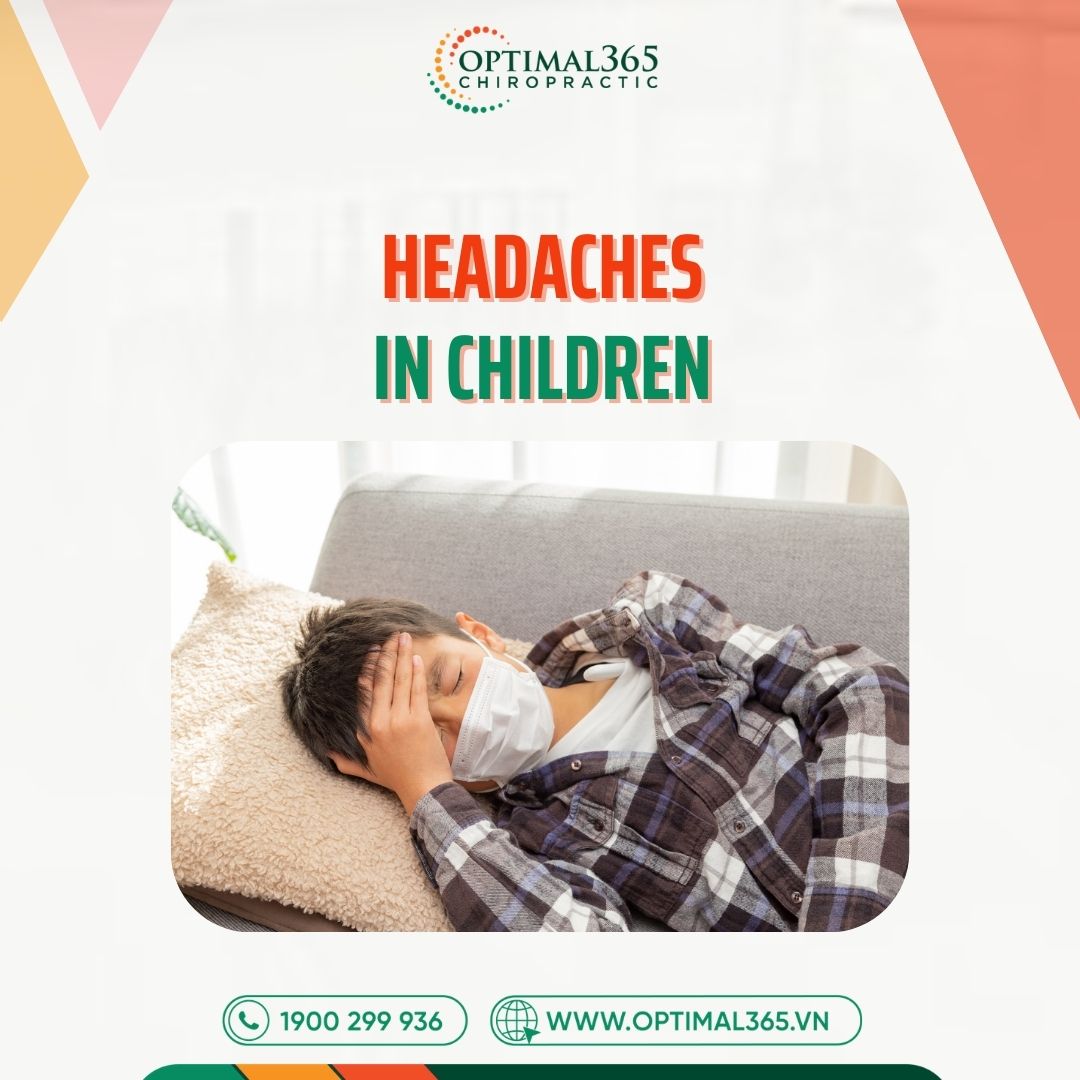
Headaches in children are a common but often overlooked health issue. Although just a symptom, headaches can significantly affect a child’s development and daily activities. So, how can you recognize the signs of headaches in children? What causes this condition, and how should it be treated to help children recover quickly? Let’s explore the article below to gain a clearer understanding of this issue.
Types of Headaches in Children to Watch For
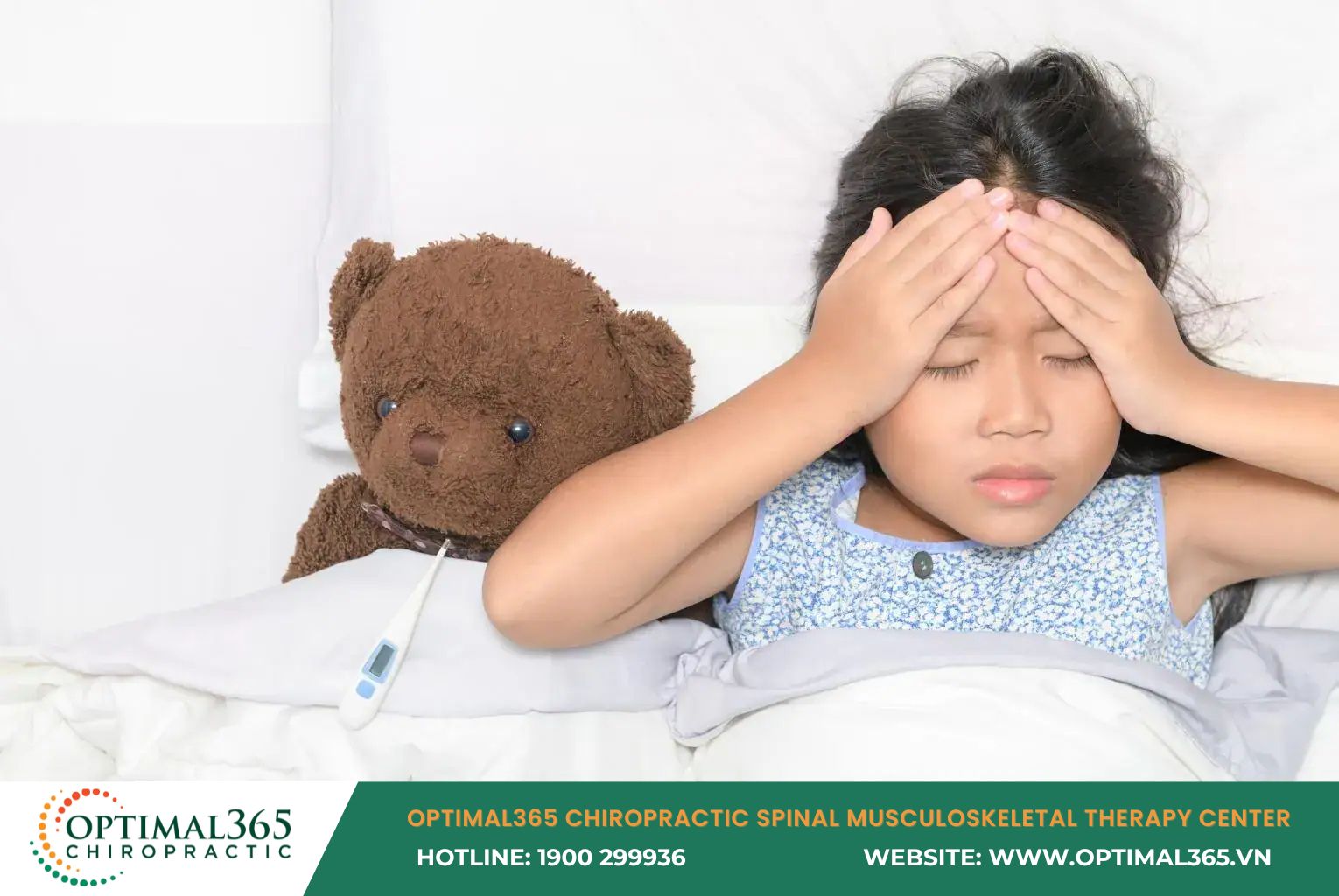
There are two main types of headaches in children: acute headaches and chronic headaches. Each type has specific manifestations that require appropriate treatment approaches, specifically:
Acute Headaches
An acute headache is a sudden onset of head pain that typically lasts for a short period, from a few hours to a few days. The causes can include trauma, stress, infections, or other factors (sleep deprivation, skipping meals, weather changes, etc.). Common symptoms include severe head pain, which may be accompanied by fever, nausea and vomiting, and sensitivity to light and loud noises.
Chronic Headaches
Chronic headaches involve recurrent head pain lasting more than 15 days a month for at least 3 months. These headaches usually occur due to migraines, tension headaches, sleep disorders, eye problems, chronic sinusitis, etc. Identifying signs include a dull, throbbing ache that may be localized to a specific area or radiate throughout the head.
Causes of Headaches in Children
Headaches in children have a wide variety of causes. In addition to infectious diseases, trauma, and brain issues, several other factors such as emotional stress, eye problems, and even diet can be the culprits behind these uncomfortable headaches.
Infections
Common childhood illnesses like the flu, colds (viral infections), and other infections (especially ear and sinus infections) are among the factors that cause headaches in children. Additionally, headaches can also occur if a child contracts more severe infections such as encephalitis or meningitis. Alongside headaches, children may experience serious symptoms like high fever, vomiting, stiff neck, and altered mental status.
Head Trauma
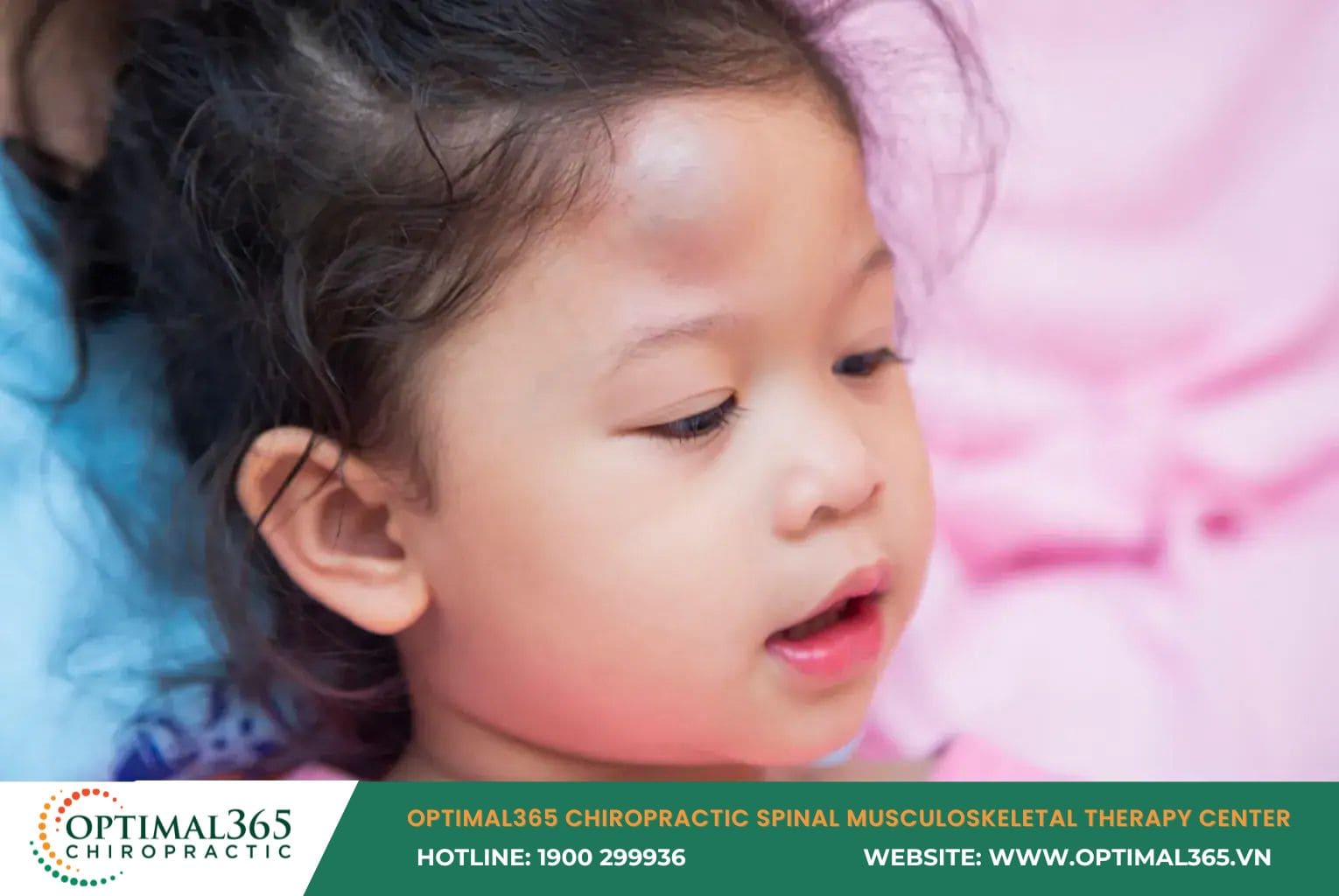
Children are naturally playful and active, making it inevitable that running and falling will result in head injuries, swelling, bruising, or headaches. Therefore, if a child sustains a head injury, especially from a strong impact, parents should take them to a doctor immediately for a detailed examination. If the child’s headache worsens afterward, contact the doctor again for further assistance.
Eye Problems
Certain eye conditions such as myopia (nearsightedness), astigmatism, or hyperopia (farsightedness), if undetected early or if incorrect prescription glasses are used, force the eyes to constantly accommodate, which can lead to headaches. Furthermore, eye diseases like dacryoadenitis (tear gland inflammation) and conjunctivitis can also cause headaches in children.
Emotional Factors
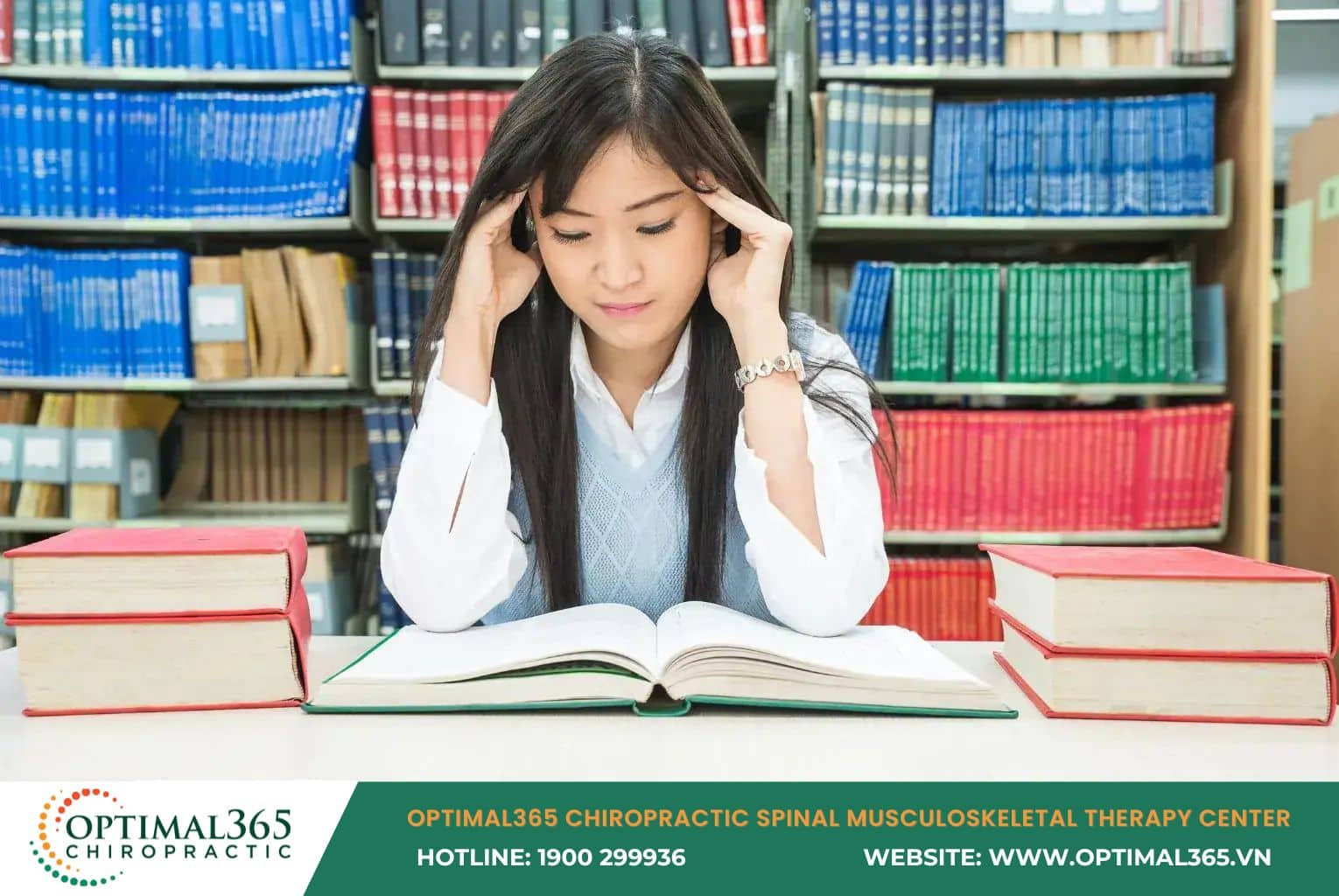
Prolonged stress and anxiety due to heavy workloads at school or relationships (with friends, teachers, or parents) are factors that can cause headaches in children. In some cases, children may also experience headaches when they suffer from emotional imbalances, feeling lonely, sad, or depressed.
Genetics
Headaches, especially migraines, tend to be hereditary. This means that children born into families with a history of headaches have a higher risk of developing them than other children. According to statistics, up to 60% of children with headaches have parents or siblings who also suffer from the condition.
Brain Issues
In a few rare cases, children may suffer from brain conditions such as brain tumors, abscesses, or brain hemorrhages, which compress the nerves and cause chronic headaches that gradually increase in severity. These are often accompanied by other symptoms such as vision loss, loss of limb control, dizziness, nausea, vomiting, and seizures.
Unhealthy Foods and Drinks
Certain foods and beverages like coffee, tea, and chocolate can stimulate the brain and cause headaches in children. Additionally, children who frequently consume processed foods containing preservatives and high amounts of nitrates (like sausages and bacon) have an increased risk of headaches.

Common Headache Locations and Types in Children
Migraines
Migraines are a highly common and hereditary headache condition in children. It is estimated that up to 20% of teenagers suffer from migraines, with the average age of onset being 7 for boys and 10 for girls. Typically, migraines in girls are related to hormonal changes associated with the menstrual cycle.
Migraine symptoms can vary from child to child, but some common signs include:
- The child feels pain on one or both sides of the head, which can sometimes radiate throughout the body.
- The pain has a throbbing or pulsating quality, though children often find it hard to describe clearly.
- The child becomes more sensitive to light and sound.
- Nausea, vomiting, or abdominal pain may occur.
- The child is often more tired and quieter than usual.
- Some children experience warning signs (aura) such as seeing flashing lights, vision changes, or noticing strange smells.
Tension Headaches
Some common symptoms of tension headaches in children include:
- Pain on both sides of the head.
- A dull ache or a feeling of a tight band around the head; the pain may radiate to the back of the head or neck.
- Pain intensity ranges from mild to moderate; it is not severe.
- Changes in the child’s sleep habits.
- Children with tension headaches usually do not experience nausea, vomiting, or sensitivity to light.
Cluster Headaches
According to VOH, cluster headaches usually begin in children over 10 years old and are especially more common in boys. This condition is also less frequent in children compared to tension headaches or migraines. The headaches usually occur in clusters, which can last for weeks or months, and repeat every year or two. Some characteristic signs of cluster headaches in children are:
- Severe pain on one side of the head, usually behind one eye.
- The affected eye may have a drooping eyelid, a small pupil, and a swollen, red eyelid.
- Nasal congestion or a runny nose.
- Swelling of the forehead.
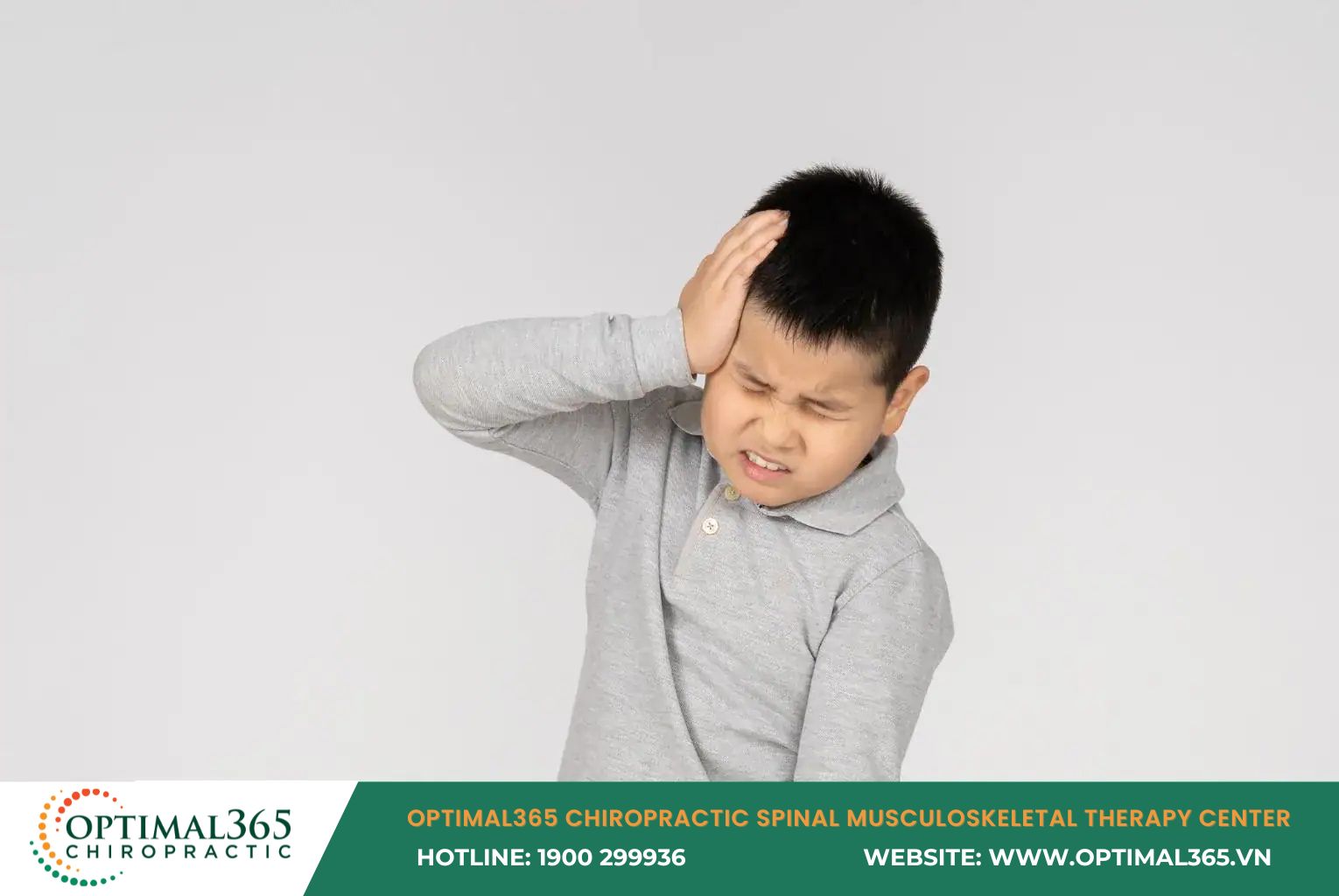
Diagnostic Methods for Headaches in Children
When a child has a headache, parents should immediately take them to a medical facility for examination, to determine the cause, and to receive timely treatment. Here, the doctor will collect the child’s medical history and perform a clinical physical examination. Then, depending on the condition, the doctor may request the child to undergo additional subclinical diagnostic methods, such as:
- Magnetic Resonance Imaging (MRI) of the brain: Provides detailed images of the entire internal structure of the brain, helping doctors detect abnormalities such as tumors, aneurysms, or nervous system disorders (MRI cannot diagnose this disease) which could be the cause of the child’s headaches.
- Computed Tomography (CT) scan: Creates detailed images inside the skull, helping doctors identify brain bleeding, tumors, or skull diseases and deformities.
- Lumbar Puncture (Spinal Tap): The doctor extracts and analyzes a small amount of cerebrospinal fluid from the lumbar spine region. This test result helps doctors diagnose infections such as encephalitis (cerebrospinal fluid can only diagnose encephalitis), meningitis, nervous system inflammation, and related conditions.
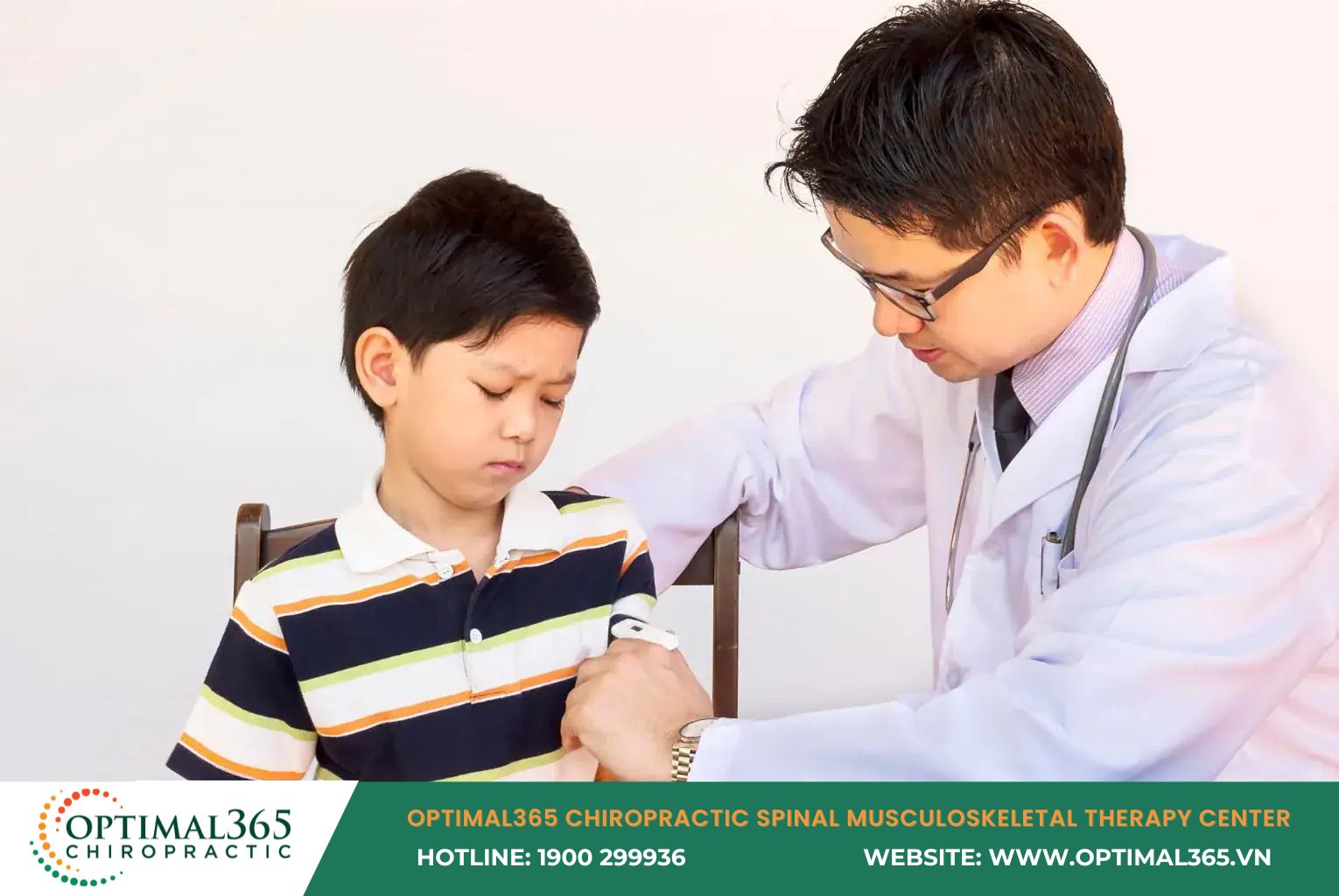
What Should Parents Do When a Child Has a Headache?
Build a Scientific Diet
Providing a scientific, balanced, and nutritious diet is essential when caring for a child with headaches. This helps the child develop comprehensively physically and limits headaches or minor illnesses. In addition, children with headaches should supplement their meals with the following natural vitamins:
- Vitamin B2: Helps reduce the intensity and frequency of headaches.
- Magnesium: Can alleviate and prevent headaches in children, especially migraines.
- Coenzyme Q10: Has a soothing and preventative effect on headaches similar to magnesium.
Stress Management
For tension headaches in children, parents should investigate the root causes to address and prevent them from recurring. In some cases, it may be difficult for parents to pinpoint the cause of the child’s stress, or the child may not be able to express it verbally. In such instances, doctors may use biofeedback sensors to record the body’s physical responses to headaches to screen and detect the problem.
Additionally, children should have a reasonable schedule for studying and resting to create a comfortable environment, minimizing stress, anxiety, or pressure. When sleeping, parents should elevate the child’s head higher than their body and ensure a quiet, cool resting space. Certain techniques can help children feel more comfortable and relaxed, such as deep breathing, meditation, aromatherapy, music, or psychological counseling.
Monitor Symptoms
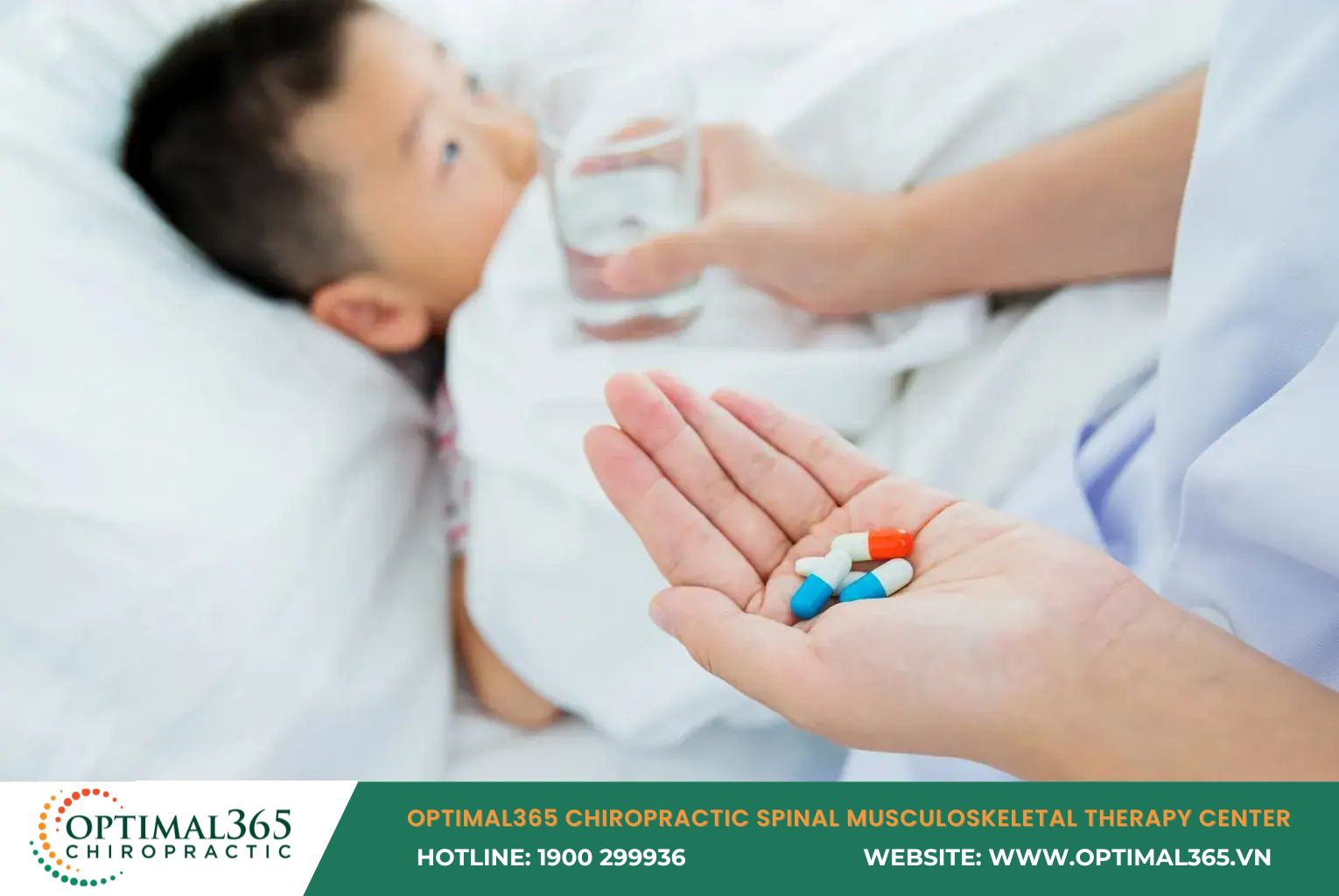
When a child has a headache, parents should only give them medication strictly following the type and dosage prescribed by the doctor. Furthermore, it is necessary to closely monitor the child’s symptoms after taking the medication. If the child also experiences vomiting, fever, runny nose, (seizures, weakness or paralysis of the limbs)… parents must notify the doctor immediately for guidance on effective treatment.
Use Painkillers
Some commonly used medications to relieve headaches in children include acetaminophen and ibuprofen. However, parents should consult a doctor before use and must follow the doctor’s instructions strictly. Note that aspirin should not be given to children as it can cause Reye’s Syndrome, which is life-threatening.
For children over 6 years old suffering from migraines, doctors may prescribe triptans to soothe the pain. Additionally, if the headache is accompanied by symptoms like vomiting or fever, other medications will be prescribed to treat these accompanying symptoms.
Warning Signs of Dangerous Headaches in Children
If a child’s headache is only transient and mild, parents do not need to worry too much. However, if the headaches occur early in the morning, disrupt sleep, or gradually increase in frequency and intensity along with severe symptoms, these could be warning signs of dangerous medical conditions. In these cases, parents must quickly take the child to the hospital for an examination as soon as possible.
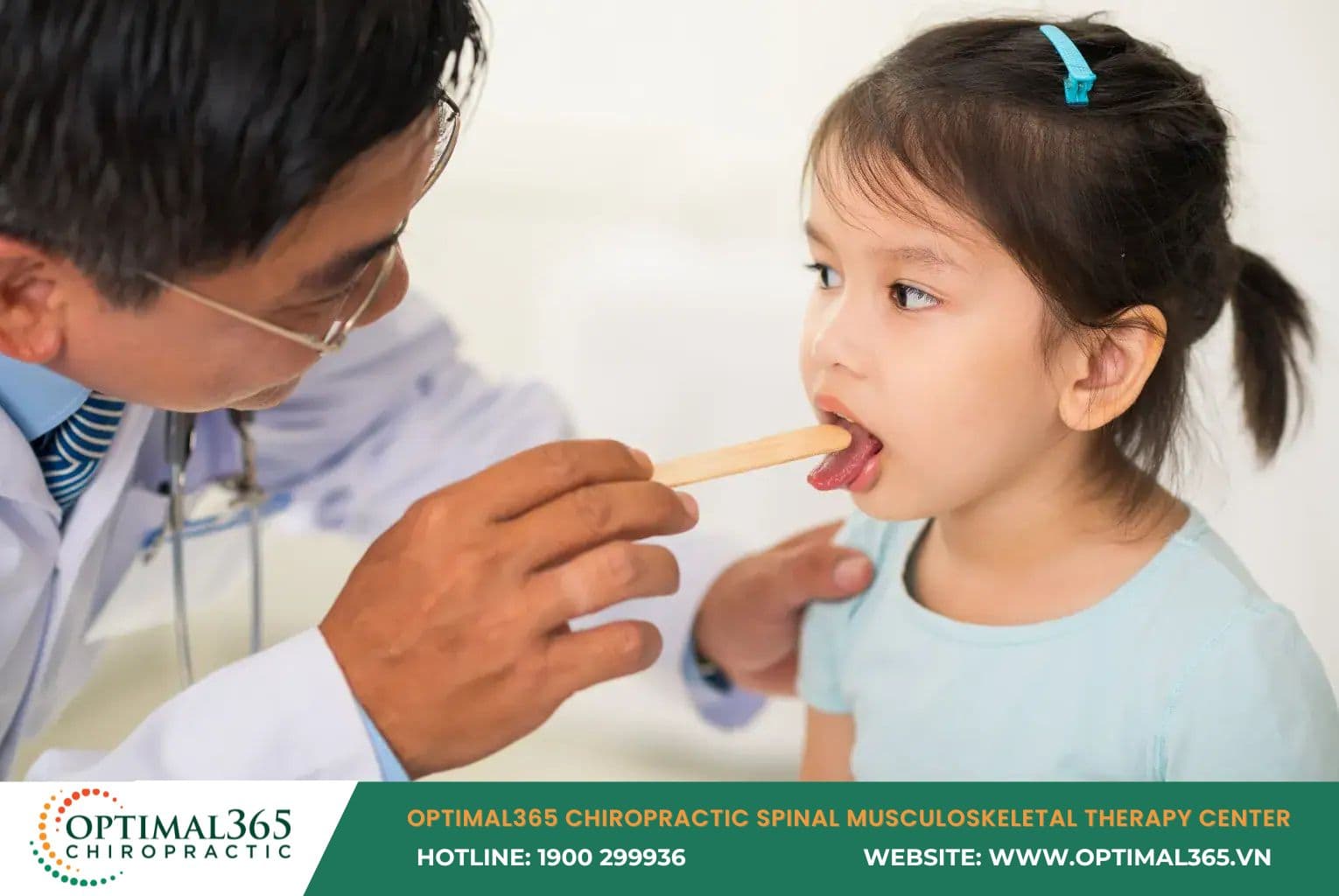
When Should a Child’s Headache Be Examined Immediately?
When caring for a child with a headache, parents should closely observe the child’s behavior and seek immediate medical attention if any of the following signs appear:
- The headache or migraine comes on suddenly and severely.
- A sudden headache accompanied by symptoms such as nausea, vomiting, facial drooping, difficulty moving limbs, or a high fever that won’t go down despite medication.
- The child’s headaches occur more frequently.
- The headache appears after a head injury.
Home Prevention Measures for Children’s Headaches
To prevent headaches in children, parents can apply the following measures:
- Maintain a scientific diet and rest schedule combined with appropriate time for physical activity and entertainment.
- Train children to go to bed and wake up on a consistent schedule every day, ensuring they get enough sleep to avoid fatigue and stress caused by sleep deprivation.
- Do not let the child eat too much and limit the use of mobile devices before bedtime.
- If the child is frequently stressed and anxious leading to headaches, parents should guide them through deep breathing exercises or meditation to reduce stress.
- Encourage the child to drink plenty of water to maintain energy and prevent dehydration-induced headaches.
- Add nutrient-rich foods like green vegetables and fruits to daily meals; avoid greasy, fatty foods or processed meats.
The above is some information regarding headaches in children, their causes, signs, and treatments. When dealing with children’s headaches, parents should not be complacent or attempt to self-treat. Instead, take the child to the hospital for an early examination to get advice on the most appropriate treatment methods.
Reference source:
1. Professional, C. C. M. (n.d.). Headaches. Cleveland Clinic. https://my.clevelandclinic.org/health/diseases/9639-headaches
2. Viện Y học Ứng dụng Việt Nam. (2023, June 14). Sử dụng thuốc giảm đau đúng cách cho trẻ em. https://vienyhocungdung.vn/su-dung-thuoc-giam-dau-dung-cach-cho-tre-em-20230614112957395.htm
3. VOH. (2019, June 26). Trẻ bị đau đầu có phải là dấu hiệu của bệnh lý?. https://voh.com.vn/me-va-be/tre-bi-dau-dau-323063.html