Herniated discs are a nightmare for many people, especially office workers. To combat this condition, many individuals trust Traditional Chinese Medicine (TCM) methods over Western medicine. However, these methods are not always as effective as desired and can cause side effects if applied incorrectly.
Is Traditional Chinese Medicine Effective for Herniated Disc Treatment?
In essence, Western medicine focuses on treating both the symptoms and the root causes of the disease through pharmaceuticals, surgery, and modern medical interventions. Conversely, TCM views the human body as a whole; pathology is not just an issue with a specific body part but a result of an imbalance in the entire system. In TCM, Yin and Yang are the two fundamental principles representing opposing yet complementary factors in nature and the human body. Illness is often viewed as a consequence of an imbalance between Yin and Yang, so the goal of treatment is to restore this equilibrium.
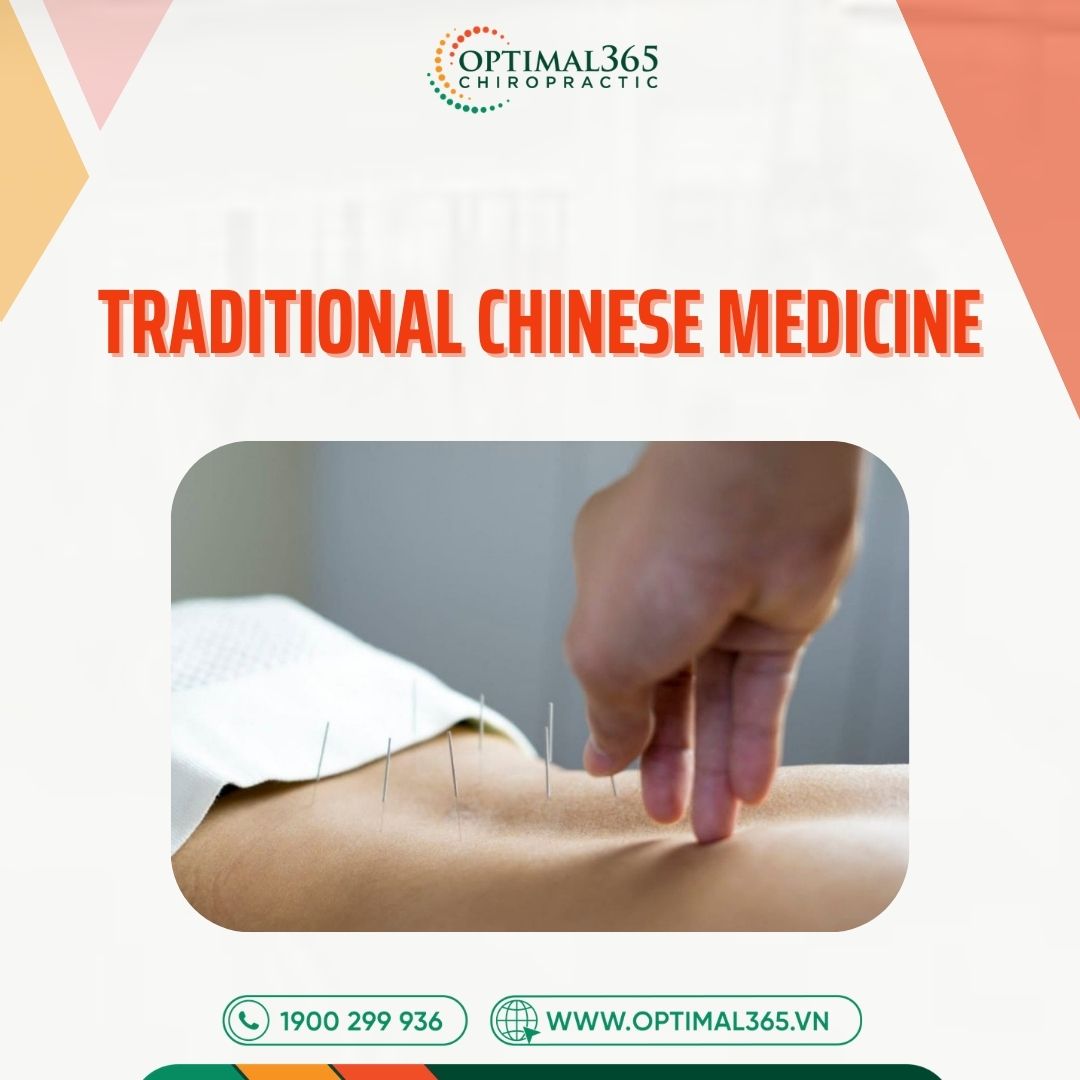
The benefits of TCM in herniated disc treatment include reducing pain and inflammation. TCM utilizes various methods such as herbal preparations and acupuncture to alleviate pain. Herbs like Eucommia ulmoides (Đỗ trọng), Cibotium barometz (Cẩu tích), and Ligusticum wallichii (Xuyên khung) have natural anti-inflammatory and pain-relieving effects. Additionally, acupuncture uses needles to stimulate acupoints, helping to reduce pain and improve blood circulation throughout the body.
However, TCM methods for treating herniated discs also have several limitations:
- Failure to address the root cause: According to traditional medicine journals, the therapeutic effects of TCM often progress slowly. Patients must be persistent over a long period, and treatment regimens vary depending on the individual’s constitution and pathological condition.
- Dependence on the practitioner’s experience: To ensure safety, TCM prescriptions depend heavily on the high skill level of the practitioner, who must deeply understand both medical theory and practice. If toxicity is not properly neutralized during the preparation process, it can cause dangerous reactions for the user.
- Side effects: Most patients believe that TCM, being derived from natural herbal ingredients, is inherently benign. In reality, regardless of the medicinal substances used, improper preparation or incompatible dosages can lead to poisoning.
8 Traditional Chinese Medicine Methods for Herniated Disc Treatment
Acupressure and Massage
Acupressure and massage are complementary treatments to temporarily improve back pain caused by a herniated disc. Specifically, techniques such as rolling, kneading, pressing, and point stimulation are applied directly to the body, significantly reducing the pain and numbness associated with the condition. These techniques help dilate vessels, circulate blood, and reduce muscle tension. This is considered a pain management therapy for mild, early-stage herniated discs.
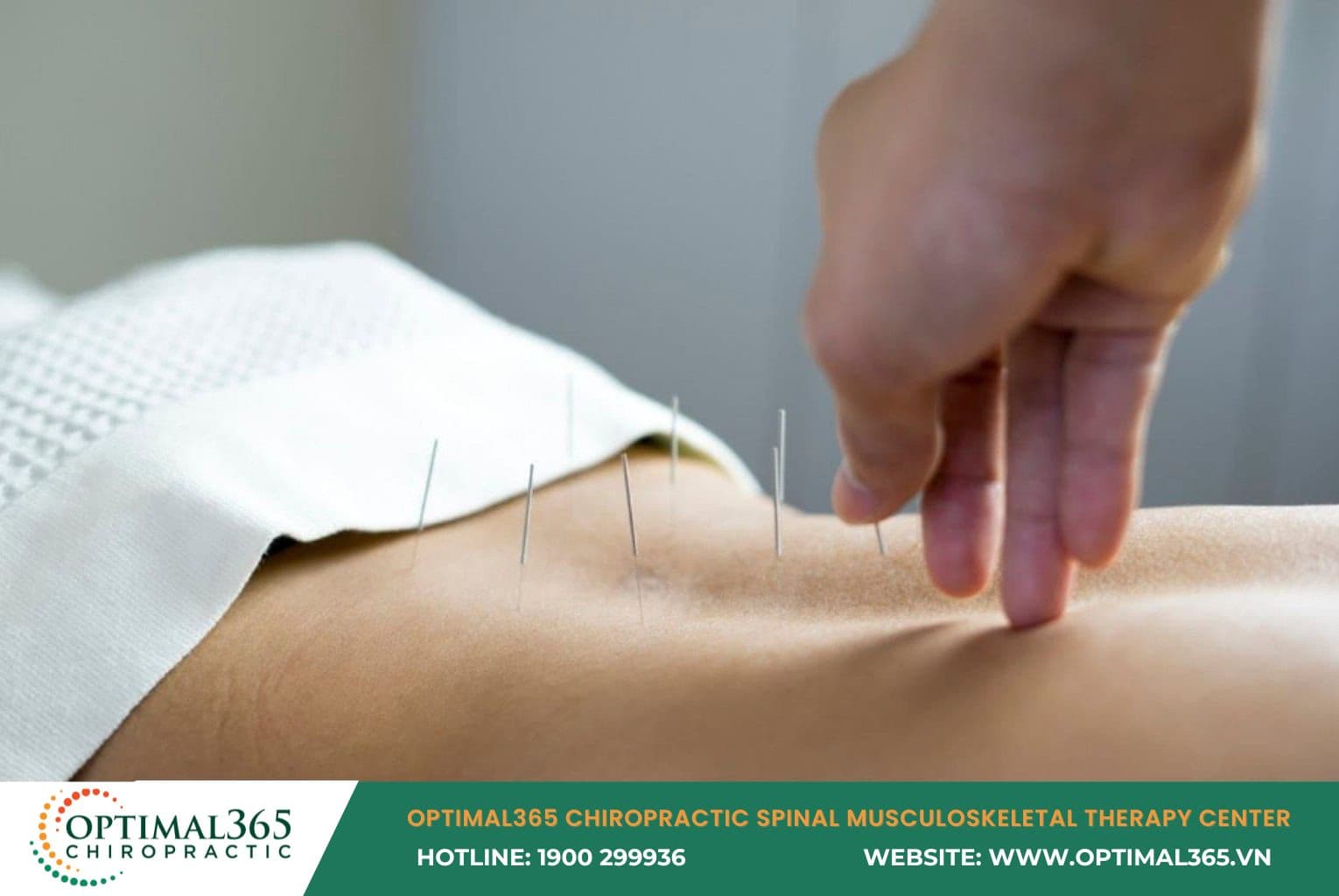
Acupuncture
Regarding the mechanism of action, acupuncture can support symptom relief. This method involves using needles to act on acupoints, stimulating the production of endorphins and serotonin—hormones that reduce the perception of pain. Simultaneously, acupuncture improves blood flow and reduces the accumulation of inflammatory substances like prostaglandins and bradykinin, thereby decreasing the inflammatory process.
While acupuncture can provide temporary pain relief, it cannot fix or treat the root cause of sciatica. Furthermore, acupuncture must be prescribed by a specialist to ensure efficacy and safety. Combining treatment methods is crucial for achieving optimal results.
Herbal Remedy from Prickly Chaff Flower
According to Traditional Medicine, Prickly Chaff Flower supports anti-inflammation and reduces symptoms of back pain and knee fatigue. This plant contains components that stimulate the body’s natural recovery process, reduce swelling, and improve motor function.
How to use:
- Prepare about 20g of prickly chaff flower roots, 16g of Eucommia, and 16g of betel leaf (lá lốt).
- Wash the ingredients and boil them until the water is slightly concentrated.
- Drink twice a day. Persistent use for about 2 weeks will quickly reduce herniated disc symptoms.
Brown Rice as a TCM Remedy
Not only known for weight loss, brown rice is a whole grain rich in nutrients that improve health issues. The abundant content of Vitamin B, Vitamin E, magnesium, selenium, and fiber in brown rice supports anti-inflammation effectively. Notably, brown rice is rich in magnesium; 226g of brown rice provides about 21% of the daily required magnesium, helping the musculoskeletal system stay strong. This is particularly beneficial for those with herniated discs.
How to use:
- Roast 200g of brown rice until fragrant.
- Grind into a fine powder and store in an airtight jar.
- Daily, mix 2 to 3 tablespoons of brown rice powder with boiling water and drink it like tea.
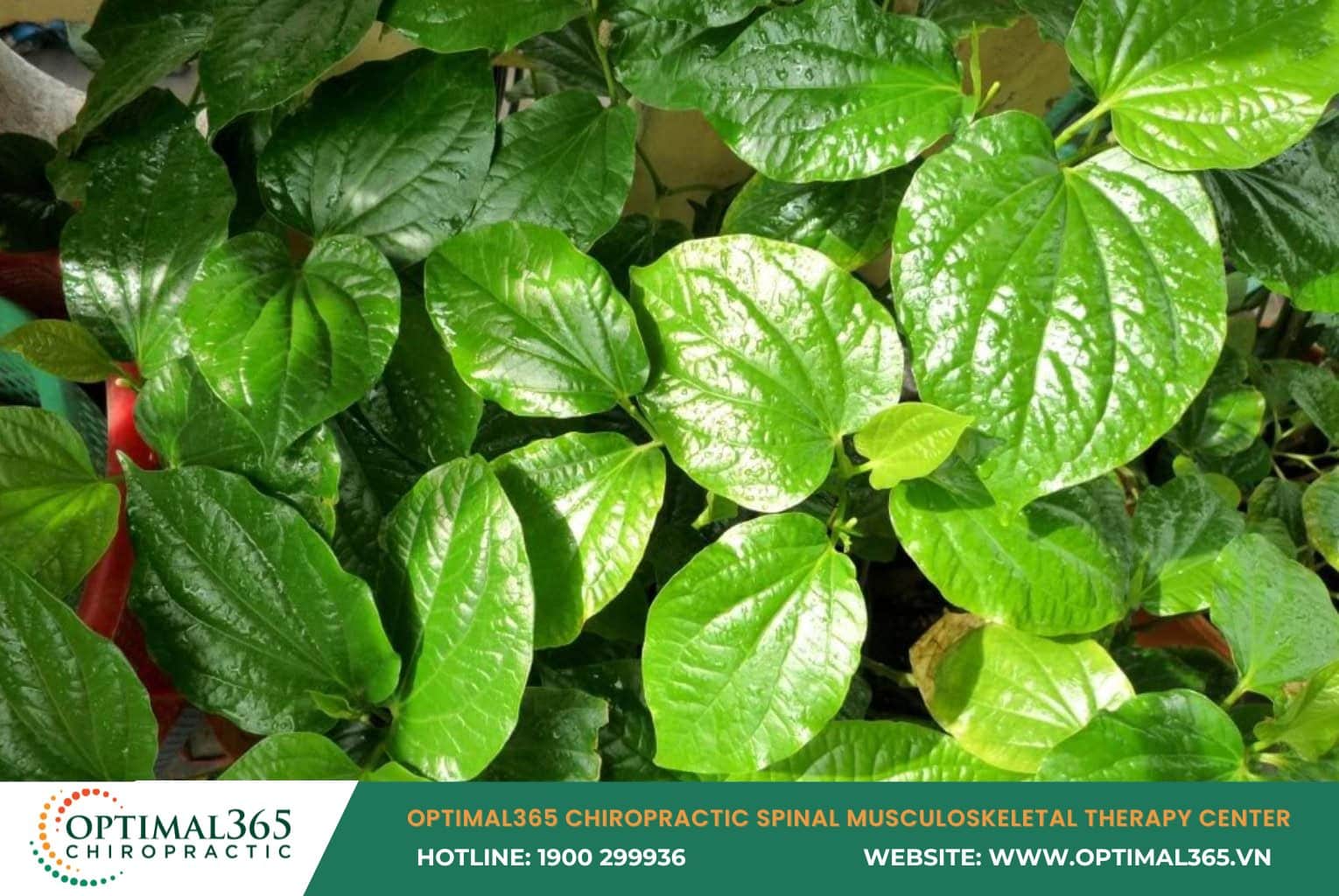
Treating Herniated Discs with Betel Leaf
Betel leaf is a common herb in TCM, famous for its natural pain-relieving and anti-inflammatory abilities. It contains active ingredients like piperine, flavonoids, and essential oils that support the improvement of inflammation and pain caused by herniated discs.
This remedy is only effective if the patient persistently drinks it twice daily over a long period. Ingredients include 30g of fresh betel leaf, 30g of Orangeberry (Bưởi bung), 30g of Heliotropium indicum (Vòi voi), and 30g of prickly chaff flower. Wash all ingredients and decoct with 1 liter of water until reduced by half.
Mugwort Combined with Sea Salt
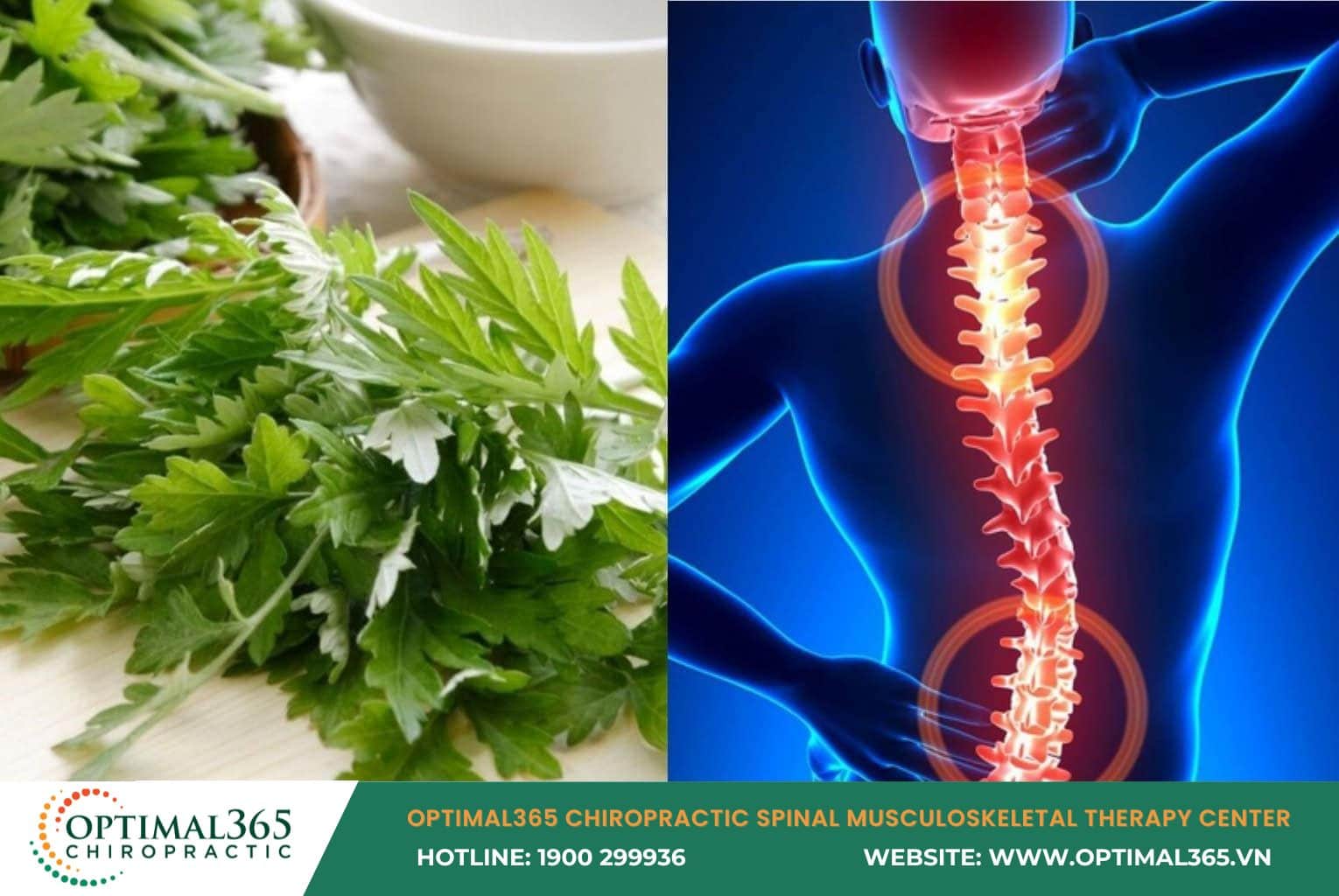
Mugwort (Ngải cứu) contains active ingredients such as flavonoids and amino acids that reduce inflammation, alleviate pain, and improve blood circulation. Sea salt has the ability to retain heat and reduce aches. Therefore, combining mugwort and sea salt creates a very effective TCM remedy.
How to use:
- Wash the mugwort and drain the water.
- Sauté it in a pan with sea salt over low heat until the mixture becomes solid and hot.
- Wrap the mixture in a thin cloth and apply it to the painful area.
Green Papaya Combined with Wine and Ginger
In addition to the above remedies, there is a TCM treatment using green papaya, ginger, and white wine. Green papaya contains many enzymes, especially papain, which has anti-inflammatory and pain-relieving effects, while ginger and wine help enhance blood circulation and soothe aches.
How to use:
- Wash the ingredients. Cut off the top of the papaya (5cm from the stem). Peel and crush the ginger, then mix it with white wine to form a paste.
- Pour the mixture into the papaya, cover it with the stem, and roast it.
- Once cooked, scrape off the burnt outer layer, put everything in a clean bag, and mash it.
- Apply this mashed mixture to the painful area for 20 minutes.
Treating Herniated Discs with Cactus
Cactus contains many active ingredients with anti-inflammatory and pain-relieving properties, helping to improve blood circulation in the affected area. Patients can consider applying cactus topically.
How to use:
- Prepare 2-3 prickly pear cactus pads with the spines removed. Soak them in diluted salt water for 5-7 minutes to clean the sap.
- Roast the cactus until soft and use the roasted pieces to apply as a compress to the painful area.
- When the cactus cools down, you can reheat it and continue the compress.
Perform this twice a day for half a month for the remedy to be effective.
Important Notes When Using TCM for Herniated Disc Treatment
Regarding Herbal Remedies
Although considered highly benign, TCM remedies can still cause allergies or complications if misused. Here are some notes:
- TCM methods are primarily effective when the disease is in its early stages.
- Choose reputable, licensed medical facilities.
- Consult with licensed doctors or practitioners. Do not arbitrarily increase the dose or duration. Do not use remedies of unknown origin to avoid allergies, anaphylactic shock, or liver/kidney failure.
- For topical remedies, maintain a moderate warmth and test on a small patch of skin before applying to the entire affected area.
- TCM requires persistence and regular compliance over a long period.
- Combining oral medicine with topical compresses is encouraged to increase treatment efficacy.
Acupressure, Acupuncture, and Massage
Similarly, patients should only trust reputable medical facilities with professional staff. Do not arbitrarily massage forcefully on the herniated area without knowledge or guidance from a doctor. Carelessness can lead to more damage or complications such as infection, muscle atrophy, or paralysis.
Safe, Non-Surgical Herniated Disc Treatment at Optimal365 Chiropractic
TCM methods are often preferred because they do not involve surgery or injections. However, they require a very long treatment time, and not everyone’s constitution is suitable, leading to a high risk of side effects.
Currently, besides TCM, patients should consider conservative, non-invasive treatment. Most notable is Chiropractic care, considered an optimal method highly regarded by global medicine for treating musculoskeletal and spinal issues like herniated discs, spinal degeneration, and sciatica.
Specifically, a Chiropractic Specialist will perform gentle adjustments, acting deeply and accurately on the misaligned parts of the disc and spine. This helps reduce pain, correct the pressure on nerve roots and the spinal cord, restore the body’s balance, and promote natural healing mechanisms without drugs or surgery.
At Optimal365 Chiropractic, Spinal Adjustment has been successfully applied to many cases of herniated discs. Beyond adjustments, to speed up recovery and prevent recurrence, Optimal365 Chiropractic designs personalized treatment protocols for each condition, featuring four leading modern methods: Chiropractic Adjustment – Deep Tissue Therapy – High-Tech Therapy – Rehabilitation Exercises.
With a team of doctors boasting over 20 years of experience in the field of Chiropractic, Optimal365 Chiropractic is proud to be a prestigious musculoskeletal and spinal health clinic for customers.

Conclusion
In general, while TCM therapies and remedies can reduce pain, it is difficult to confirm them as definitive cures for herniated discs. Therefore, if pain intensity does not decrease, affects movement, or causes insomnia, you should promptly contact a musculoskeletal specialist for timely examination and treatment.
Reference source:
1. Nguyễn, T. B. (2007). Bệnh học và điều trị nội khoa (kết hợp Đông – Tây Y). NXB Y học.
2. Nguyễn, N. K. (2017). Bệnh học nội khoa y học cổ truyền. NXB Y học.
3. Trịnh, T. D. T. Châm cứu học ứng dụng. NXB Y Học.
4. Võ, T. T. Xoa bóp bấm huyệt. NXB Y Học.
5. Phạm, H. H. (2015). Phương pháp dưỡng sinh. NXB Y Học.
6. Typhuong8q6. (n.d.). Chữa thoát vị đĩa đệm bằng Đông y có thực sự hiệu quả. Medinet. https://tytphuong8q6.medinet.gov.vn/dong-y/chua-thoat-vi-dia-dem-bang-dong-y-co-thuc-su-hieu-qua-c12897-114921.aspx