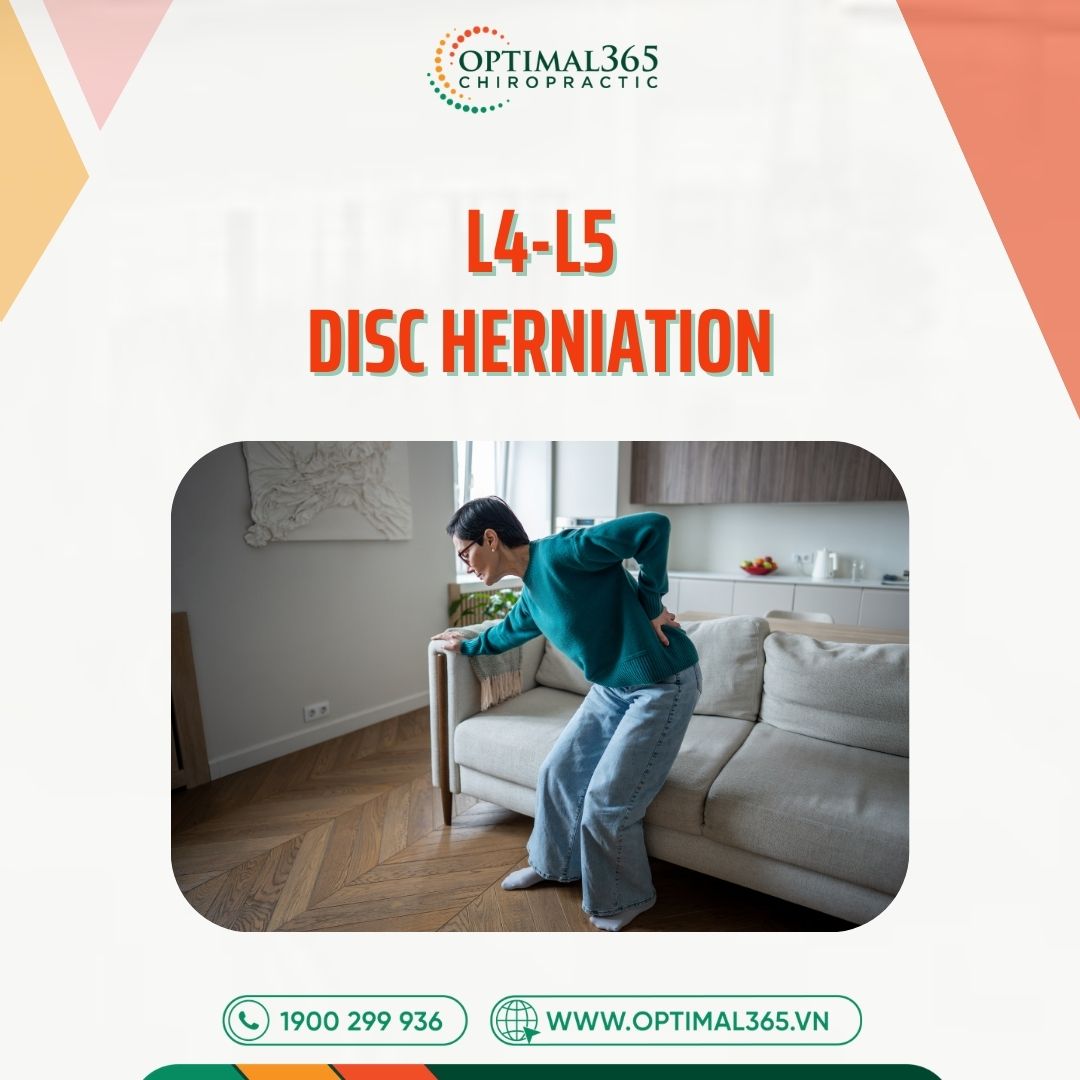
L4-L5 lumbar disc herniation occurs when the nucleus pulposus of the intervertebral disc between L4 and L5 vertebrae tears or cracks, protrudes outward, and compresses nearby nerve roots or nerves. This is a primary cause of symptoms such as lower back pain, radiating pain to the thigh and leg, reduced muscle strength, and potentially sensory loss or difficulty controlling the legs. Join Optimal365 Chiropractic to explore the symptoms and effective L4 L5 disc herniation treatment methods.
What is L4-L5 Disc Herniation?
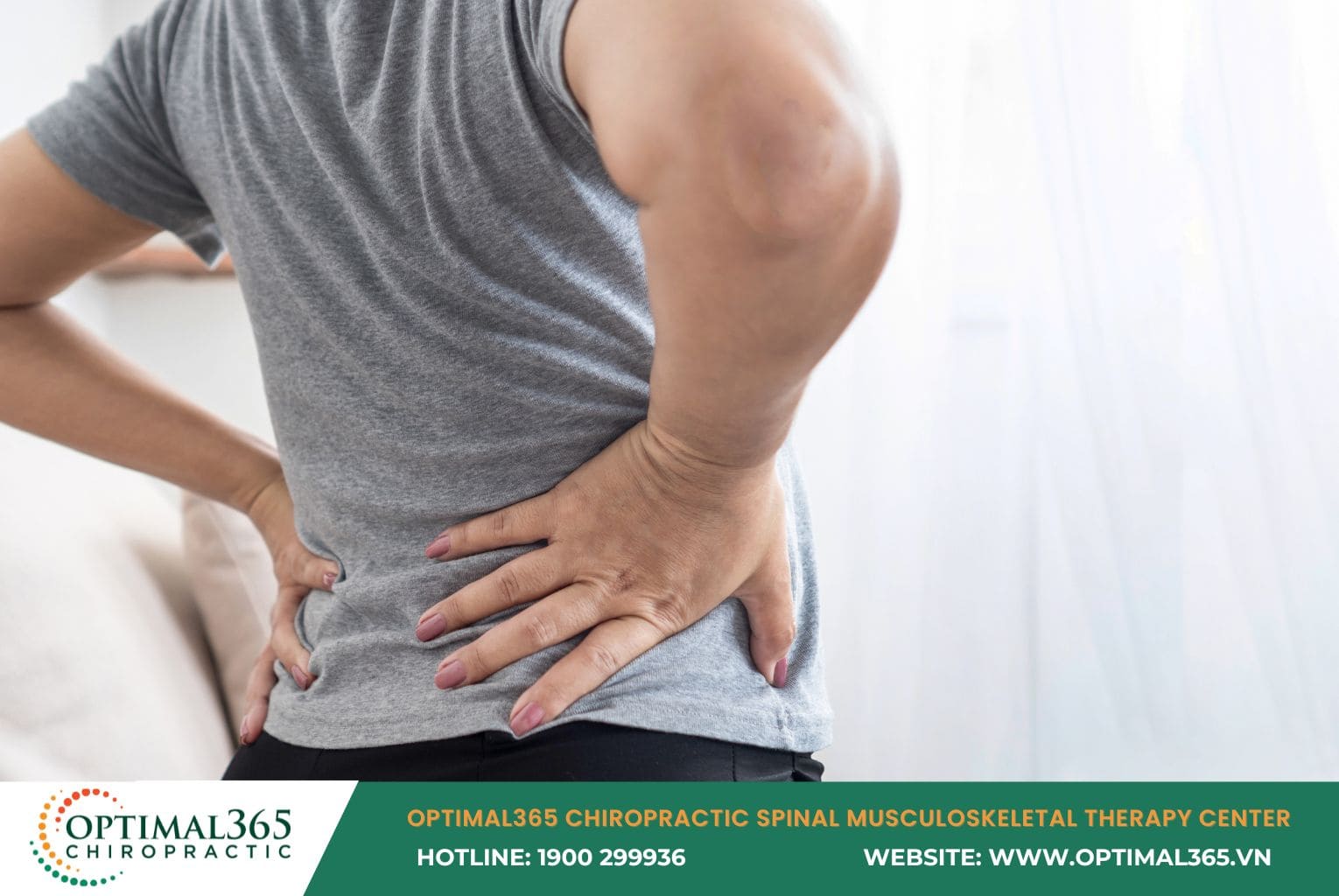
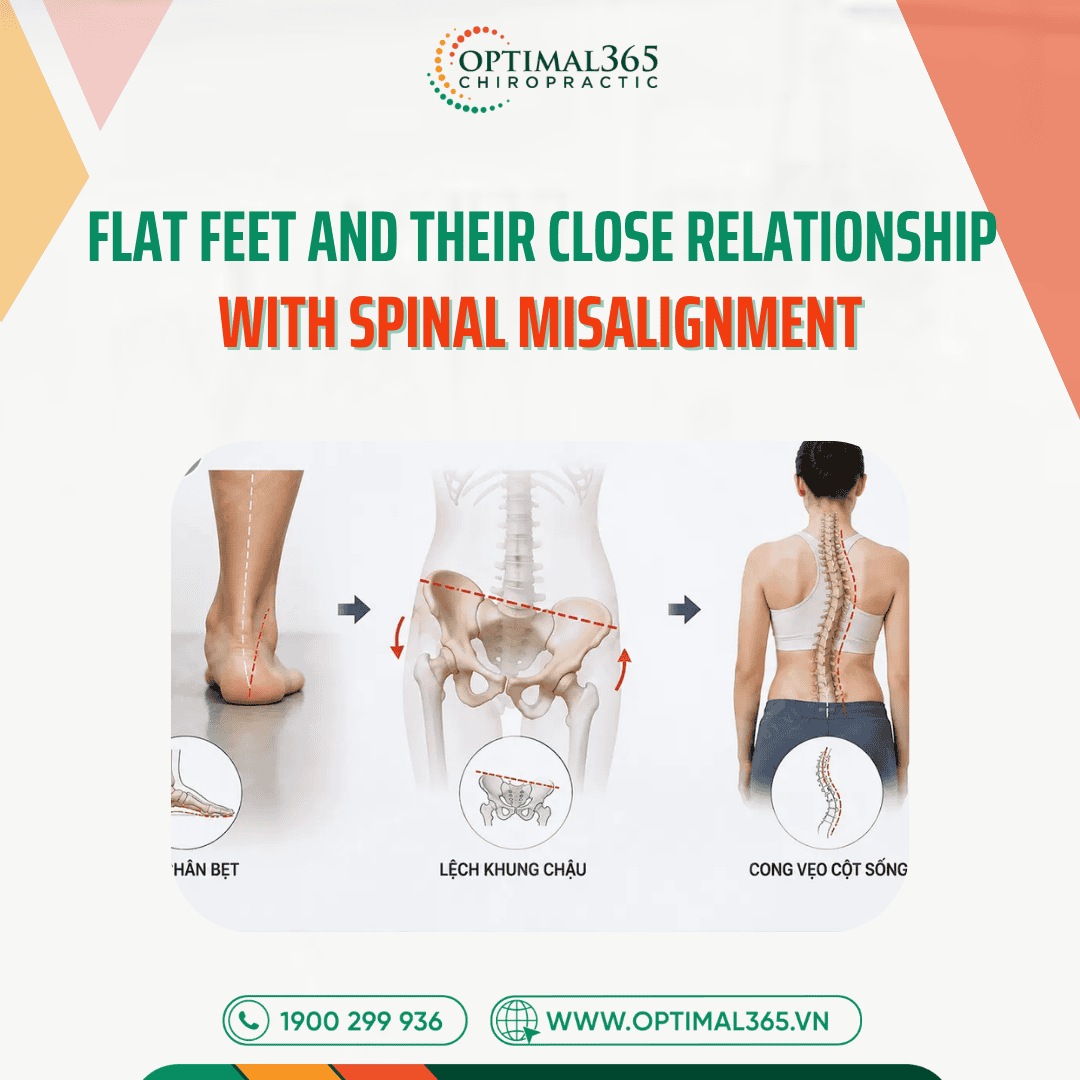
The spine is the body’s main pillar, formed by 33 stacked vertebrae creating an S-shaped curve from the neck to the coccyx. This structure includes:
- 7 cervical vertebrae (C1 – C7) enabling flexible head movement.
- 12 thoracic vertebrae (D1 – D12) connected to ribs, forming the chest cage protecting the heart and lungs.
- 5 lumbar vertebrae (L1 – L5) bearing heavy loads during lifting or movement.
- 5 sacral vertebrae (S1 – S5) fused into the sacrum.
- 4 coccygeal vertebrae fused into the coccyx.
Intervertebral discs, consisting of a central nucleus pulposus and outer annulus fibrosus, act as shock absorbers protecting the spine from injury. Notably, L4-L5 vertebrae are in the lowest lumbar region, enduring the greatest pressure, making them prone to injury, especially disc herniation.
L4-L5 disc herniation happens when the annulus fibrosus tears, allowing the nucleus pulposus to extrude, forming a herniated mass. When this mass compresses nerve roots or the dural sac, patients experience symptoms like radiating leg pain, numbness, or muscle weakness.
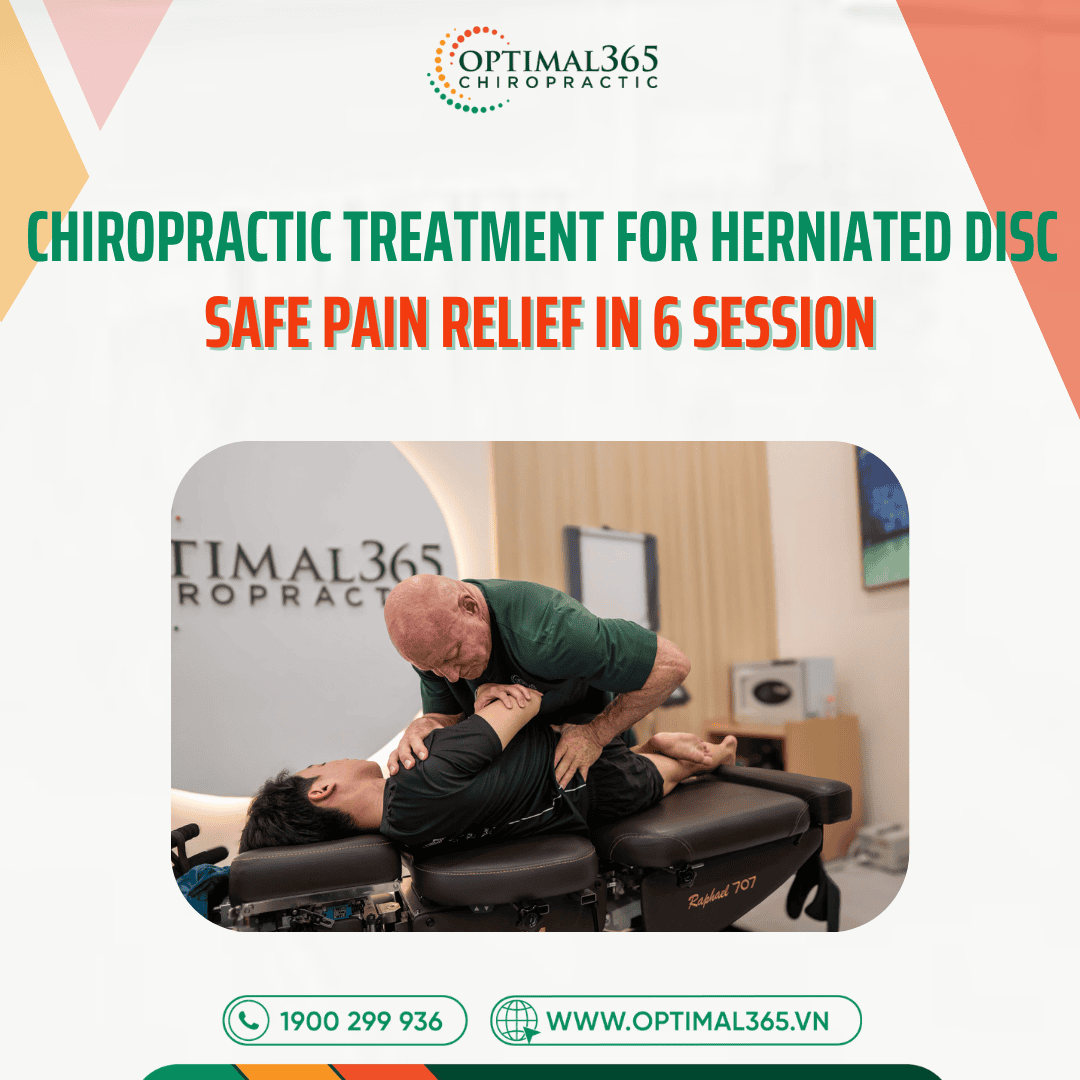
Currently, many L4 L5 disc herniation treatments exist, from conservative methods like chiropractic care and physical therapy to surgical interventions for severe cases. Among them, Chiropractic is favored by many for naturally adjusting the spine, reducing disc pressure without medications or surgery.
Causes of L4-L5 Disc Herniation
L4-L5 disc herniation often stems from lumbar spine degeneration, causing discs to lose water, elasticity, and vulnerability to force. When the annulus fibrosus ruptures, the nucleus pulposus herniates, compressing nerve roots and causing pain and mobility limitations. Common causes include:
- Natural age-related degeneration: As age increases, discs wear down, losing load-bearing capacity and becoming prone to herniation.
- Strong mechanical trauma: Injuries from traffic accidents, falls, heavy labor, or improper sports techniques exert excessive pressure on the lumbar spine.
- Poor posture in daily activities and work: Prolonged sitting, standing, frequent bending, or incorrect heavy lifting heightens L4 L5 disc herniation risk.
- Overweight and obesity: Excess body weight pressures discs, especially in the lumbar area, increasing herniation risk.
- Congenital conditions and spinal arthritis: Kyphosis, scoliosis, spinal spurs, or osteoarthritis weaken disc structure, facilitating herniation.
Additionally, genetic factors may weaken disc connective tissue, elevating disease risk.
Symptoms of L4-L5 Disc Herniation
When L4-L5 disc herniation occurs, the nucleus pulposus may compress nerve roots or spinal cord, causing mild to severe symptoms impacting daily life. Common signs include:
- Persistent lower back pain: Dull or intense pain worsening with strenuous activity, bending, or prolonged sitting.
- Radiating leg pain: Due to L4-L5’s proximity to the sciatic nerve, pain radiates from the lower back through the buttock, thigh, and even foot—hallmark sciatica.
- Numbness, tingling, or leg muscle weakness: Affecting one or both legs, impairing walking and balance.
- Pain worsening with posture changes: Aggravated by coughing, sneezing, bending, side-lying, or excessive walking.
- Lumbar mobility restriction: Spine stiffness, especially mornings or after prolonged sitting.
Early recognition of L4 L5 disc herniation signs is crucial for timely treatment. Untreated, it risks severe complications like cauda equina syndrome, causing bladder/bowel dysfunction or paralysis.
Dangerous Complications of L4-L5 Disc Herniation
Untreated properly, L4-L5 disc herniation leads to serious complications affecting mobility and quality of life. Early understanding of L4 L5 disc herniation treatment prevents these:
- Recurrent radicular pain: L4 slippage forward compresses nerves continuously, intensifying chronic lower back, buttock, thigh, and calf pain, reducing life quality.
- Sensory disturbances: Affects leg/foot sensation nerves, causing prolonged numbness to hot/cold, tingling, or burning without external stimuli, complicating movement control.
- Motor disorders, paralysis risk: Severe L5 root compression weakens leg muscles, hindering walking, stair-climbing, or standing from sitting; prolonged cases risk permanent leg paralysis.
- Sphincter dysfunction impacting bladder/bowel: Lumbar herniation affects S1-S3 roots controlling bladder/intestines, causing incontinence, constipation, urinary infections, or kidney failure—cauda equina syndrome requiring immediate intervention.
Thus, avoid complacency with L4 L5 disc herniation signs. Early evaluation and appropriate L4 L5 disc herniation treatment reduce pain, limit complications, and significantly improve quality of life.
Diagnosis and Effective L4-L5 Disc Herniation Treatment at Optimal365 Chiropractic
Diagnosing L4-L5 Disc Herniation
Accurate diagnosis is the first crucial step in L4 L5 disc herniation treatment. Post-clinical exam, doctors order imaging:
- X-ray: Cannot visualize herniated discs but outlines spine alignment, ruling out degeneration or spurs.
- MRI: Gold standard for L4 L5 disc herniation diagnosis, clearly showing disc structure, ligaments, and nerve compression degree for precise treatment planning.
- CT scan: For detailed spine assessment in special cases, especially suspected fractures or concurrent spinal stenosis.
Based on results, doctors recommend tailored L4 L5 disc herniation treatment.
L4-L5 Disc Herniation Treatment Methods
Depending on severity, treatments range from conservative to surgical:
Surgical Treatment
Surgery is last-resort for failed conservative care or severe symptoms like bowel/bladder dysfunction or lower limb paralysis. Common techniques:
- Partial/total discectomy to relieve nerve root pressure.
- Minimally invasive endoscopic spine surgery for reduced trauma and faster recovery.
- Artificial disc replacement preserving natural motion.
- Spinal fusion using bone grafts with plates/screws.
Surgery offers quick relief but risks infection, bleeding, or adjacent segment herniation.
Non-Surgical Treatment
For mild/moderate cases, prioritize conservative L4 L5 disc herniation treatment:
- Analgesic/anti-inflammatory medications: Control symptoms; monitor long-term side effects.
- Hot/cold compresses: Reduce lumbar inflammation and pain.
- Physical therapy and rehab exercises: Stretching/strengthening back muscles aids herniation treatment.
- Acupuncture and massage: Relaxes muscles, improves spinal blood flow.
- Lumbar support brace: Stabilizes spine, limits herniated disc pressure.
Traditional conservative methods may only temporarily alleviate symptoms without addressing root causes.
Spinal Nerve Therapy – Safe, Effective L4-L5 Disc Herniation Treatment
Recently, Chiropractic (spinal nerve therapy) ranks highly among conservative treatments for drug-free, surgery-free long-term efficacy.
At Optimal365 Chiropractic, our intensive protocol follows 3-No principle: No injections – No medications – No surgery, offering superior benefits:
- Specialized spinal adjustments release nerve root pressure, naturally reducing pain without invasive procedures.
- Posture and biomechanics correction restores spinal function, preventing L4 L5 disc herniation recurrence.
- Enhances body’s self-healing, improving spine flexibility and durability.
- Eliminates complications from painkillers or surgery.
Why Choose Optimal365 Chiropractic for L4-L5 Disc Herniation Treatment?
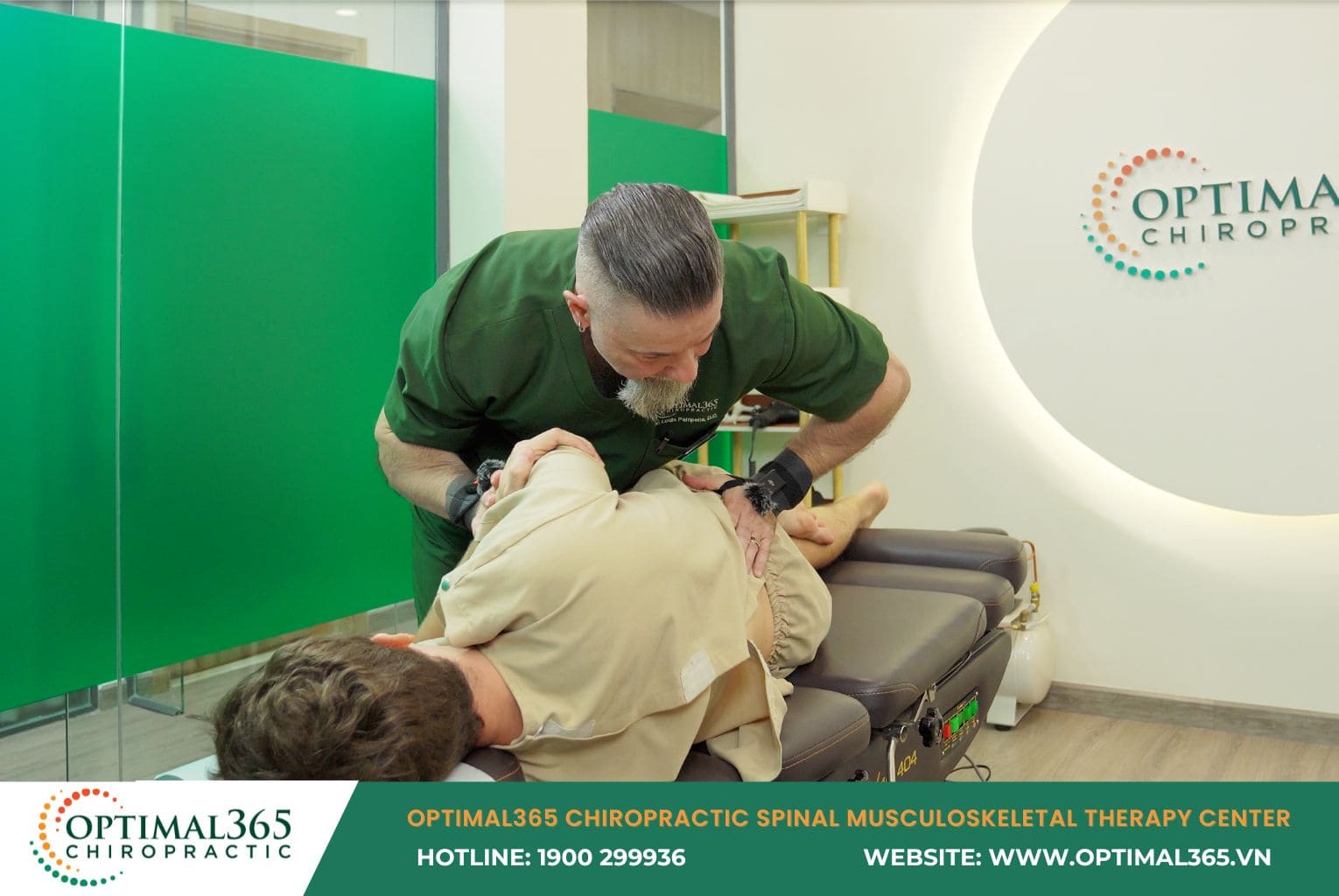
With a mission for comprehensive spine solutions, Optimal365 Chiropractic leads in L4 L5 disc herniation treatment using spinal nerve therapy. We feature:
- Experienced Chiropractic specialists trained to US standards.
- Modern equipment for precise diagnosis and treatment.
- Personalized protocols tailored to individual conditions.
- Professional, safe environment ensuring patient comfort.
Let Optimal365 Chiropractic support your sustainable inner health journey. For safe, effective, non-surgical L4 L5 disc herniation treatment, contact us for consultation and expert appointments!
Reference source:
1. Gallivan, T. Thoát vị đĩa đệm cột sống thắt lưng L4 L5 là căn bệnh thường gặp không chỉ ở người cao tuổi, mà còn xuất hiện phổ biến ở những người trẻ thường xuyên ngồi nhiều, sai tư thế.
2. Medlatec. Thoát vị đĩa đệm cột sống thắt lưng L4 L5 - Những điều cần ghi nhớ. https://medlatec.vn/tin-tuc/thoat-vi-dia-dem-cot-song-that-lung-l4-l5--nhung-dieu-can-ghi-nho-s68-n32495